(Analysis) The ongoing conflict in Sudan has raised concerns among security experts about the country’s future. Some have drawn parallels to the situation in Libya, where two opposing governments have ruled for over a decade.
This comparison, while alarming, may not fully capture Sudan’s unique circumstances. The war began in April 2023 when the Sudanese Armed Forces (SAF) and the Rapid Support Forces (RSF) turned against each other.
These former allies now fight for control over vast territories within Sudan. The conflict has resulted in widespread devastation and human suffering across the nation.
Humanitarian organizations report that 26 million people in Sudan face food insecurity. The World Food Programme has declared a famine in Darfur’s Zamzam camp.
Over 10 million people have been displaced since the war started, both internally and in neighboring countries. International efforts to broker peace have so far proven unsuccessful.
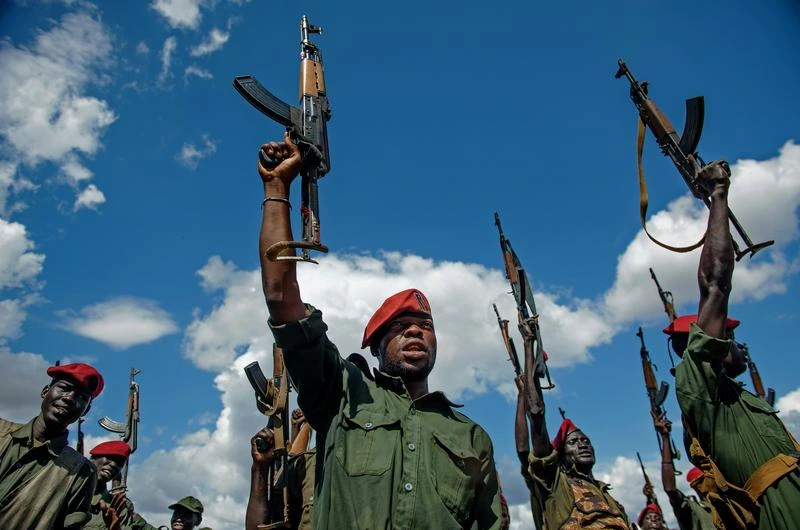
US Special Envoy Tom Perriello recently toured Kenya and Ethiopia to engage regional stakeholders. He expressed relief at improved humanitarian access but warned that some parties seem intent on escalating the conflict.
The war’s impact extends beyond Sudan’s borders, with potential implications for regional stability. Chad, which shares ethnic ties with some Sudanese groups, could face spillover effects.
The conflict has also drawn attention to the role of external actors in fueling the violence. The United Arab Emirates stands accused of arming the RSF, though it denies these allegations.
The Complex Dynamics of the Sudan Conflict
This situation highlights the complex web of international interests at play in the conflict. The US has called on all countries with influence over the warring parties to push for peace.
Despite the grim outlook, some analysts caution against direct comparisons with Libya. Dr. Jihad Mshamoun, a Sudanese political expert, points to Sudan’s unique ethnic makeup and cross-border dynamics.
These factors may influence the conflict’s trajectory differently than in Libya’s case. The roots of the current crisis trace back to the 2019 overthrow of long-time dictator Omar al-Bashir.
The subsequent power-sharing arrangements between military and civilian factions proved unstable. The war represents a breakdown of this fragile post-Bashir political order.
As the conflict persists, fears grow of a protracted stalemate that could further fragment Sudan. This scenario poses significant challenges for the international community’s peacemaking efforts.
Resolving the underlying power struggles and grievances fueling the conflict remains a daunting task. The war’s ethnic dimensions add another layer of complexity, particularly in Darfur.
The RSF has been accused of targeting non-Arab groups like the Masalit. This has reignited long-standing tensions in the region and complicated efforts to find a lasting solution.
Despite multiple attempts at mediation, including talks in Jeddah, Geneva, and planned negotiations in Cairo, progress remains elusive.
The absence of key parties from these discussions has undermined their potential for success. This pattern of failed negotiations echoes the challenges faced in Libya’s peace process.
As the international community grapples with Sudan‘s crisis, the need for a comprehensive approach becomes clear. Addressing the conflict’s root causes, ensuring humanitarian access, and fostering inclusive dialogue are crucial steps.
These measures will be essential for resolving the situation effectively. The fate of millions hangs in the balance as Sudan teeters on the brink of further fragmentation.
More: Ethiopia news in English, every day from The Rio Times.
This article was produced by The Rio Times’ automated newsroom system. How we use AI · Report an error · Editorial responsibility: Matthias Camenzind, Editor-in-Chief
Part of our ongoing coverage
Africa: The New Scramble — the great-power contest over the continent.
Horn of Africa and the Red Sea
- Horn of Africa 2026: Why It Matters and Who Backs Whom
- Ethiopia’s Neighbors Explained, Ports, Eritrea, Somalia
- Eritrea Explained 2026, a Red Sea Country Guide
- Somalia Explained: Al-Shabaab, Somaliland, the Ports and the Fight Over a 2026 Vote