Spain Draws Citizens to Run Its Election

Published Saturday, Oct. 31, 5:45 p.m. ET (10:45 p.m. Madrid) · Source: Spain’s Central Electoral Board, CIS, pollsters
Spain’s election now has a human face: this weekend town halls began drawing ordinary citizens by lot to run the polling stations for the Spain Election 2026 on Sunday, Nov. 29. Authorities will summon 549,297 people, and the draws run through Wednesday, Nov. 4.
For readers abroad, this is how Spanish voting works: neighbours, not officials, staff the ballot boxes. It is also the first hard sign that a contest still dominated by polls is becoming a real vote.
Key Facts
- What: Town halls began drawing citizens by lot on Oct. 31 to staff polling stations for the Nov. 29 election.
- Scale: 549,297 people will be summoned; the draws run through Wednesday, Nov. 4, 2026.
- Polls: NC Report (Oct. 22-24): conservative People’s Party (PP) 32.9%, Socialists (PSOE) 25.8%, Vox 19.0%.
- Prediction markets: Polymarket prices PP to win the election at 84.5%, US$278,081 traded, as of Oct. 31, 5:22 p.m. ET.
This story is part of our coverage of the Spain Election 2026. Dates, times and how to follow it are in our guide.
Why Neighbours Run the Ballot Boxes
Spanish law picks the people who run each polling table by public lottery. Each table gets a president, two members and alternates, drawn from the voters on its roll.
Those chosen are notified by post and must serve unless they have a legal excuse. They will staff the ballots for both chambers: the Congress of Deputies, which chooses the prime minister, and the Senate.
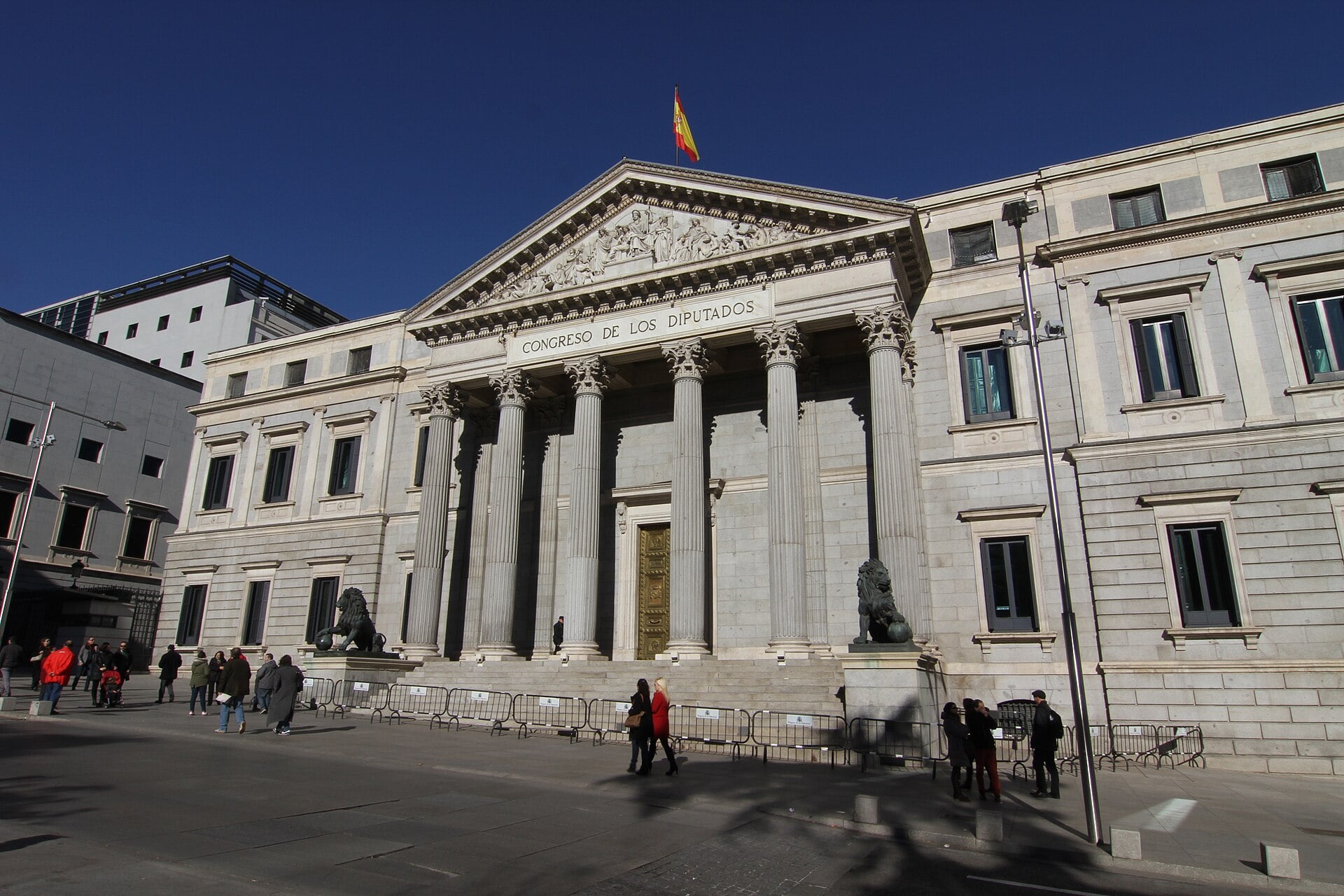
A Thinner Field of Candidates
Spain’s Central Electoral Board, the body that supervises the vote, says 929 candidate lists have been registered for Congress and the Senate. That is almost 15% fewer than in 2023.
The sources do not say why. Party mergers, withdrawals or local strategy could all play a part.
In Valencia, the local electoral board upheld a complaint by the regional Socialist branch against Mayor María José Catalá of the PP. It ruled that she could not use City Hall to record a video announcing her candidacy for Congress, and she took the video down.
Where the Polls Stand
The newest private poll, by NC Report, a Spanish polling firm, put the PP at 32.9% and the governing Socialist Party (PSOE) at 25.8%. Vox, a conservative-nationalist party, trailed at 19.0%, leaving a PP lead of 7.1 points.
The state-run Centre for Sociological Research (CIS) tells a different story. Its October survey of more than 5,000 people, taken Oct. 1-6, put PSOE first at 34.0%, ahead of PP at 22.2% and Vox at 17.1%.
Félix Bolaños, the minister who runs the prime minister’s office, predicted on Oct. 28 that PSOE will win between 125 and 145 of the 350 Congress seats and keep governing. That forecast is a campaign claim, not a projection.
What Prediction Markets Say
On Polymarket, a crypto-based prediction market, traders price the PP at 84.5% to win the election, with US$278,081 traded as of Oct. 31 at 5:22 p.m. ET (10:22 p.m. Madrid). These prices are real-money bets, not polls.
Why we show this: prediction markets turn real-money bets into a live probability that moves within minutes of the news, which is why investors, campaigns and newsrooms in the United States now follow them closely. We show them next to polls and official results, never instead of them.
What It Means for US Readers
Spain’s vote is the next test of whether a center-left government in Western Europe can hold off a conservative challenger. A change in Madrid would matter to US investors in Spanish banks and utilities and to Washington’s NATO and trade agenda.
What Is Not Known
Nobody has published a trusted seat projection, and vote shares do not convert neatly into seats, because Spain allocates them province by province. The Senate follows a separate system.
The sources do not give the official poll opening hours or the time of the first results. The share of drawn citizens who will win an exemption is also unknown.
Sources
Spain’s Central Electoral Board (Junta Electoral Central) and Official State Gazette; Centre for Sociological Research (CIS), October barometer; NC Report; Polymarket. Read more in our Spain Election 2026 hub.
This article was produced by The Rio Times’ automated newsroom system. How we use AI · Report an error · Editorial responsibility: Matthias Camenzind, Editor-in-Chief
Spain's Election and Pedro Sánchez
- How Spain Got Here: Pedro Sánchez’s Eight Years in Power
- Why Spain’s Prime Minister Pedro Sánchez Could Lose His Job
- Spain’s Next Leader? Meet Alberto Núñez Feijóo
- Spain Explained 2026, How It Ranks in Europe
Frequently Asked Questions
When is Spain’s general election?
Sunday, Nov. 29, 2026. Voters choose the Congress of Deputies and the Senate.
Who is ahead in the polls?
Private polls such as NC Report put the PP first, while the state-run CIS puts PSOE first. The gap between them is the central unresolved question of the campaign.