South Sudan Party Rejects New Election Date
The dispute tests whether South Sudan’s first national vote can keep the trust of the parties that signed the country’s peace deal. Party leaders say the legal basis for the new date is unclear, while the commission says the law allows it.

Politics: South Sudan
A registered South Sudanese party said on Thursday 19 November 2026 that the national election commission broke the constitution when it moved the country’s first national vote to 11 February 2027. The African National Congress (ANC), led by veteran politician George Kongor Arop and not connected to South Africa’s party of the same name, called the new timetable legally questionable and operationally unrealistic.
The National Elections Commission (NEC), the state body that runs elections, announced the new date on Saturday 14 November 2026 in place of 22 December 2026. The published timetable gave no reason for the change.
Key Facts
- Who. African National Congress of South Sudan, a registered party, against the National Elections Commission.
- What. The party says the new timetable lacks a legal basis and could undermine the vote’s credibility.
- Where. South Sudan, whose first national election is now planned for early 2027.
- When. Voter registration closes Saturday 28 November 2026; campaigning starts 27 December.
The dispute tests whether South Sudan’s first national vote can keep the trust of the parties that signed the country’s peace deal. Party leaders say the legal basis for the new date is unclear, while the commission says the law allows it.
South Sudan became independent from Sudan in 2011 and has never held a national election. The vote has been delayed at least three times since 2022 was set as the election year.
NEC spokesperson Josephine Achiro said the commission acted under Article 57(1)(c) of the National Elections Act 2012, as amended, which she said lets it adjust the timetable. In a statement released by 19 November, she said the 22 December date left too little time for candidate nominations, candidate lists and the printing of ballot papers.
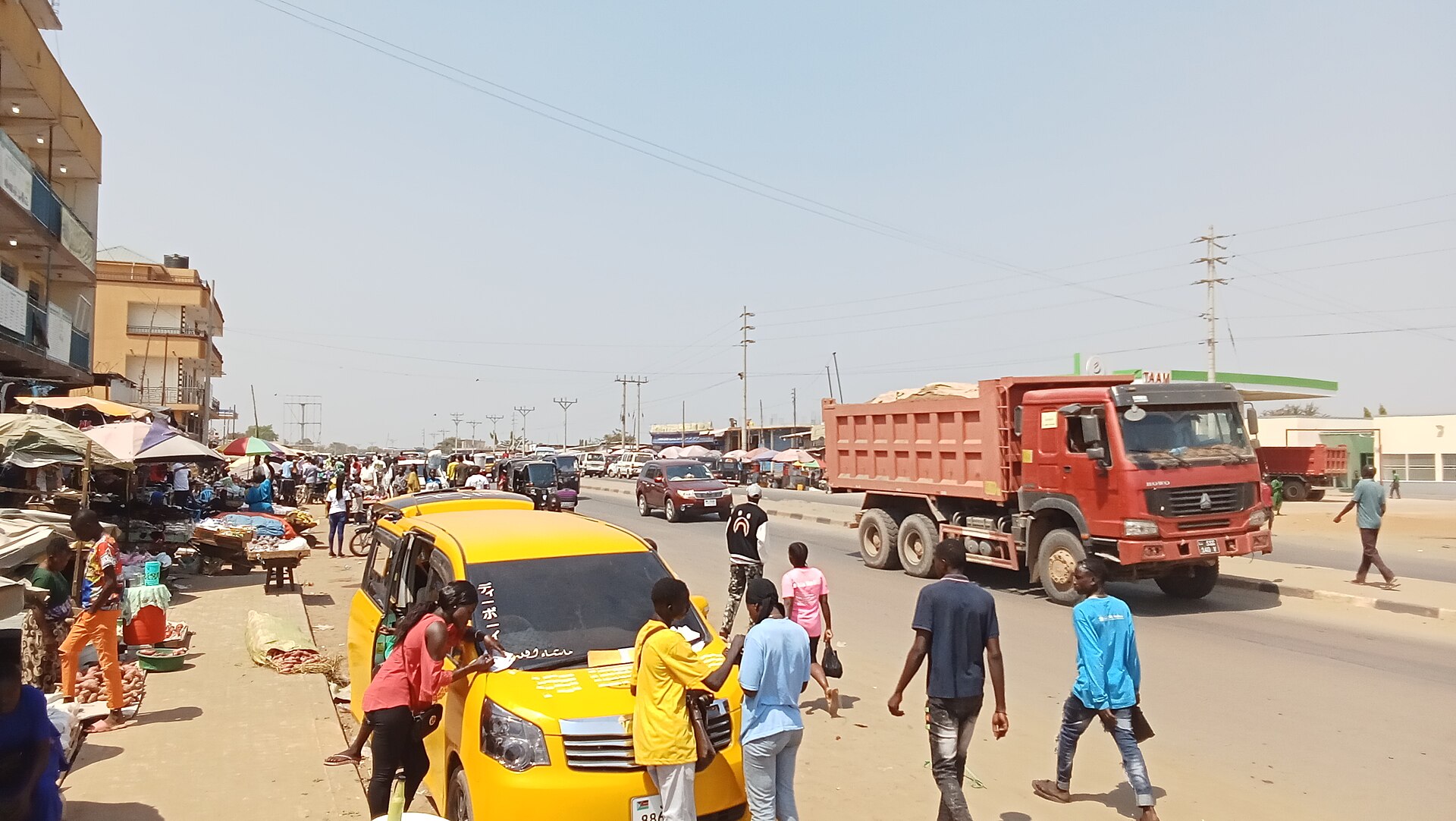
NEC chairman Gabriel Bol Deng said on 14 November that the commission had set up 3,161 registration centres and recruited more than 22,000 staff. The campaign runs from 27 December to 9 February, and 10 February is a day of silence before voting.
About 90% of South Sudan’s 15 million people have no state-recognised ID, according to the World Bank, the global development lender. Under the commission’s plan, community leaders identify such voters, who then receive an identification form to vote.
In its statement the ANC called elections “a constitutional and democratic undertaking” that needs legitimacy, preparation and political consensus. It said the timetable left parties and citizens too little time to prepare.
The statement also questioned whether the commission has enough funds, logistics, technology and staff. The party warned it would not take part in a vote that is inadequately prepared, legally questionable or unable to produce credible results.
Deputy secretary-general Sunday Philip Kot said the party is “not against the process of conduct of election” but against how the timetable was introduced. “We are supposed first to amend the constitution so that the constitution will match together with the new timeline,” he said.
Kot said the 2018 peace agreement, the power-sharing deal between the government and opposition groups, stays in force until 22 February 2027 and gives its signatories a basis to meet on election arrangements. The ANC wants the new calendar taken to those signatories’ talks, and Kot also criticised announcing results before the appeals process is finished.
The ANC is the third group to challenge the move in public. A group led by presidential aspirant Kornelio Kon Ngon gave the commission 72 hours to reverse the timetable or face legal action, and the United Sudan African Party (USAP) questioned the commission’s legal authority in a position paper dated Tuesday 17 November 2026.
Yasmin Sooka, chair of the UN Commission on Human Rights in South Sudan, said in October 2026 that the changes amount to “a constitutional coup through legislative reforms”. She said they dismantle the inclusive power-sharing settlement and concentrate authority in President Salva Kiir.
Opposition leader Riek Machar has been under house arrest since March 2025 and is accused of crimes against humanity. Government forces and his followers have been in escalating, deadly confrontations in recent months.
If parties that doubt the legal basis stay out, the first national vote would open with weak credibility, which the ANC itself warned of. The vote falls 11 days before the peace agreement’s stated period ends, so a boycott could leave the country without either an accepted election or an agreed forum for talks.
The commission has not said whether it will answer the ANC or what legal amendment, if any, it will seek. Registration closes on Saturday 28 November, the next fixed step in the timetable.
Frequently Asked Questions
Can South Sudan’s election commission change the date alone?
The commission says the election law lets it adjust the timetable, while the ANC says the constitution has to be amended first. The commission has not said whether it will seek an amendment.
Who else objects to the new timetable?
Another presidential hopeful’s group and the United Sudan African Party have also challenged the commission’s authority. Together the three statements show doubts that reach beyond one party.
Why does this vote matter beyond South Sudan?
It would be the country’s first national election and a test of a peace deal that the international community backs. A vote that parties accept could steady that deal, while a contested one could weaken it.
Horn of Africa and the Red Sea
- Horn of Africa 2026: Why It Matters and Who Backs Whom
- Ethiopia’s Neighbors Explained, Ports, Eritrea, Somalia
- Eritrea Explained 2026, a Red Sea Country Guide
- Somalia Explained: Al-Shabaab, Somaliland, the Ports and the Fight Over a 2026 Vote
Sources
National Elections Commission revised calendar, 14 November 2026 · African National Congress statement, 19 November 2026 · UN Commission on Human Rights in South Sudan
This article was produced by The Rio Times’ automated AI newsroom. Editorial responsibility: Matthias Camenzind, Publisher and Editor-in-Chief. The Rio Times also runs Ask Rio Times, which answers from 100,000+ of our own articles, the daily Latin America Power Map, and prediction-market odds on elections and markets.. How we use AI · Report an error