One Infected Cow in Sonora Lands Days Before the US Reopens Its Cattle Border
Mexico · Business
Key Facts
- —What happened Mexico confirmed Sonora’s first screwworm case in 46 years, days before the US was to reopen cattle imports.
- —How big a jump The single case adds to 1,969 active cases nationally, up from 1,818 a week earlier.
- —The real story The detection threatens a 24 August restart of cattle exports from Sonora, a state the US had deemed low-risk.
- —The catch The infected cow is statistically trivial but geographically decisive, making Sonora the 30th of 32 states with the parasite.
- —Who it touches Ranchers, feedlots and packers on both sides of the border face a trade worth about US$1.2 billion a year.
- —What comes next The USDA will decide by 24 August whether to proceed with the reopening at Agua Prieta–Douglas.
Sonora was chosen as the low-risk state to restart cattle exports. Then it found its first case.
The first Sonora screwworm case in 46 years could hardly have arrived at a worse moment. Mexican animal health authority Senasica confirmed the parasite in a bovine at Munihuasa, in the Álamos municipality of southern Sonora — the state the United States had picked as one of two lowest-risk places to restart cattle exports from 24 August.
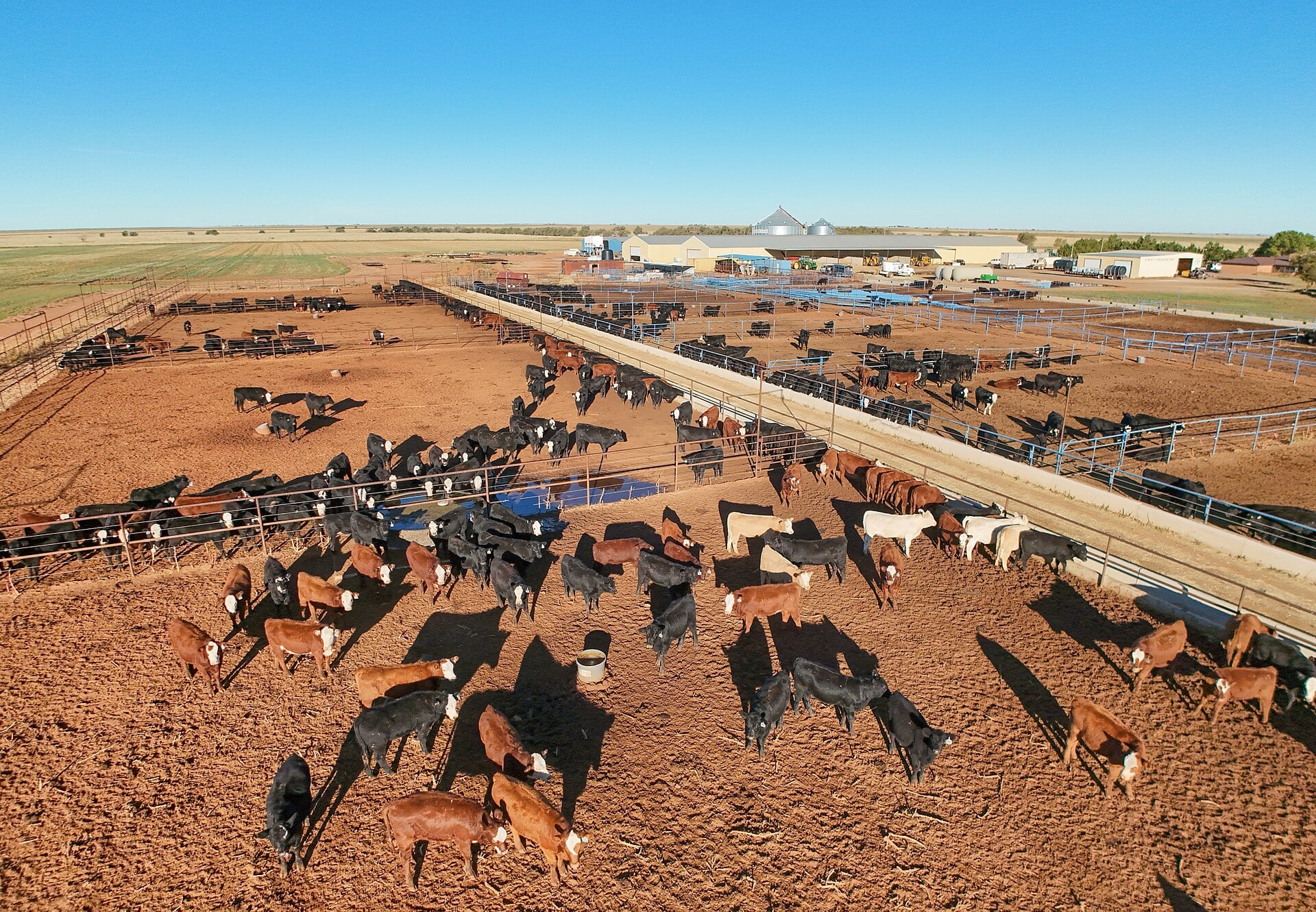
What was found, and where
Senasica reported one active case in Sonora, in a bovine at Munihuasa, in the municipality of Álamos, about 17 kilometres from the Chihuahua state line. It was announced on 19 August. Nationally, Senasica counted 1,969 active cases in epidemiological week 33, up from 1,818 on 8 August, so a single animal is statistically trivial. Geographically it is not.
Sonora borders Arizona. Until this detection it was one of only three Mexican states with no confirmed screwworm, and it had been officially free of the parasite since 1981, with no case since May 1980. It is now the thirtieth of thirty-two states to record one, leaving only Baja California and Baja California Sur clean. The US Department of Agriculture had identified Sonora, alongside Chihuahua, as a lowest-risk origin for resuming imports — on the strength of its inspection programme and its distance from the southern outbreak rather than simply its case count.
The state response was immediate: a 20-kilometre sanitary cordon around the detection, the release of 360,000 sterile flies, and preventive treatment of animals in the zone with doramectin for adults and a topical product on newborn calves’ umbilical cords. Governor Alfonso Durazo announced the case; the state agriculture secretary, Juan González, set out the technical response.
Why sterile flies
The New World screwworm is a fly whose larvae feed on the living tissue of warm-blooded animals. It was eradicated from North America decades ago using the sterile insect technique: mass-rearing male flies, sterilising them with radiation, and releasing them so that wild females mate without producing offspring.
It works, and it is slow. Each release only suppresses the generation it meets, so the flies have to keep coming until the wild population collapses. Mexico’s flies come from a plant at Metapa de Domínguez in Chiapas, opened by President Sheinbaum in June, which started at 28 million flies a week and is aiming for 100 million a week by the end of the year. The scale needed to hold a barrier across a country the size of Mexico is enormous.
This is why one case in Sonora is treated as an emergency rather than a veterinary footnote. The economic damage comes not from the animal but from what the detection does to the border.
What the border closure has already cost
The suspension of Mexican cattle exports has been expensive. Estimates of the damage range from about US$1.1 billion in income not received by ranchers to roughly US$2.4 billion in lost foreign exchange, depending on which industry figure you take and what period it covers.
The reopening was never going to restore that quickly. CNOG, the national ranchers’ body, expects about 700 head a day at the start, rising to 1,300–1,500 a day, and roughly 40,000 a month through Sonora from September — a fraction of the pre-closure trade, which ran to about 1.26 million head a year worth some US$1.2 billion.
Feedlots and packers on the US side have spent a year sourcing elsewhere. On the Mexican side, ranchers have been carrying animals they cannot sell across a border that has been fully shut for fourteen months and disrupted since November 2024. Roughly 1.7 million head have not crossed.
What the Sonora screwworm case does to the timetable
As of 20 August the staged reopening at Agua Prieta–Douglas was still scheduled for 24 August. Whether it holds is a USDA decision, and the department has moved quickly in both directions before.
The argument for proceeding is that the case is contained, cordoned and being treated, and that a single detection in a state the size of Sonora does not change the risk profile of the specific ranches approved to export. Sonora’s regional cattlemen’s union has publicly urged the USDA to hold the date. The argument against is that a state that has just lost a 45-year clean record is a strange place to restart a trade that was suspended over exactly this parasite.
For anyone with exposure to the cattle trade — ranchers, feedlots, packers, or investors in Mexican or US protein companies — the next few days are the ones that matter. A delay would push the restart past the end of August and into a market that has already repriced beef on the assumption of tight supply.
And for anyone simply living in northern Mexico or the US southwest, the practical point is smaller but real: livestock movement controls, inspections at internal checkpoints, and, if you travel with animals, paperwork that did not exist two years ago.
More: Mexico news in English, every day from The Rio Times.
Frequently Asked Questions
Where was the Sonora screwworm case found?
In a bovine at Munihuasa, in the Álamos municipality of southern Sonora, confirmed by Mexico’s animal health authority Senasica and announced on 19 August. It is the state’s first case since May 1980.
Does this stop the US cattle border reopening?
Not automatically. As of 20 August the staged reopening at Agua Prieta, crossing into Douglas, Arizona, was still set for 24 August. The decision rests with the USDA, which had classed Sonora as a lower-risk state.
How much has the closure cost Mexican ranchers?
Estimates range from about US$1.1 billion in income not received, on CNOG’s count, to roughly US$2.4 billion in lost foreign exchange on a consultancy estimate — and close to US$3 billion including opportunity cost. Around 1.7 million head have not crossed.
Connected Coverage
US Mexico Cattle Imports Reopen After Screwworm Scare
Taking Your Dog to Mexico Now Requires a Screwworm Certificate
New World Screwworm Reaches the US, Deepening Mexico’s Cattle Crisis
Sources: Senasica — animal health reports; USDA APHIS — New World screwworm; Gobierno del Estado de Sonora
This article was produced by The Rio Times’ automated newsroom system. How we use AI · Report an error · Editorial responsibility: Matthias Camenzind, Editor-in-Chief
In depth