Somaliland Explained 2026: Why It Wants Recognition
Somaliland has governed itself since 1991, and Israel recognised it in 2025. Here is why it wants wider recognition and why Washington is watching.

Horn of Africa · Explainer
Key Facts
- What it is A self-declared republic in northwestern Somalia, once British Somaliland, which declared independence on 18 May 1991 and runs its own government, currency and army.
- Who leads it President Abdirahman Mohamed Abdullahi, known as Irro, who won the November 2024 election with 63.92% of the vote.
- Who recognises it Israel, the first UN member state to do so, on 26 December 2025. Ethiopia linked recognition to sea access in 2024 but never recognised it.
- The prize Berbera port on the Gulf of Aden, run by the Dubai operator DP World, close to the Bab el-Mandeb strait.
- Somalia’s view Mogadishu calls Somaliland Somali territory and in January 2026 suspended its port, defence and security deals with the UAE, including those covering Berbera.
- Prediction markets Kalshi gives a 6% chance that President Trump recognises Somaliland before 2027, and 52% before 20 January 2029 (15 October, 6:41 a.m. ET).
- Still open Whether Washington or any African state follows Israel, and whether Ethiopia ever gets the coastline its 2024 memorandum offered.
Somaliland wants recognition because it has governed itself as a separate state since 1991, yet only one UN member, Israel, accepts it as a country. The territory in northwestern Somalia was briefly independent in 1960 before joining Somalia, which insists it remains Somali land.
The quarrel matters far beyond Africa, because Somaliland’s port of Berbera lies near the Bab el-Mandeb strait, a gateway for Suez Canal traffic. Ethiopia, the United Arab Emirates, Israel and the United States all have a stake in how it ends, as our Horn of Africa hub follows.
What Somaliland Is
Somaliland covers the northwest of the Somali-speaking Horn of Africa, facing Yemen across the Gulf of Aden, with Hargeisa as its capital. In colonial times it was a British protectorate, while most of present-day Somalia to the south was ruled by Italy.
Britain’s protectorate ended on 26 June 1960, and five days later Somaliland joined the former Italian-run trust territory to form the Somali Republic. Those five days of separate independence sit at the heart of Somaliland’s case for statehood.
The union soured over the following decades, and Somalia’s central state collapsed in civil war in 1991. Somaliland declared independence on 18 May 1991, a story our Somalia explainer tells from Mogadishu’s side.
How It Governs Itself
Somaliland has its own president, parliament, courts and security forces, and none of them answer to Mogadishu. Garowe Online, a Somali news site, notes that it also has its own currency and legal system.
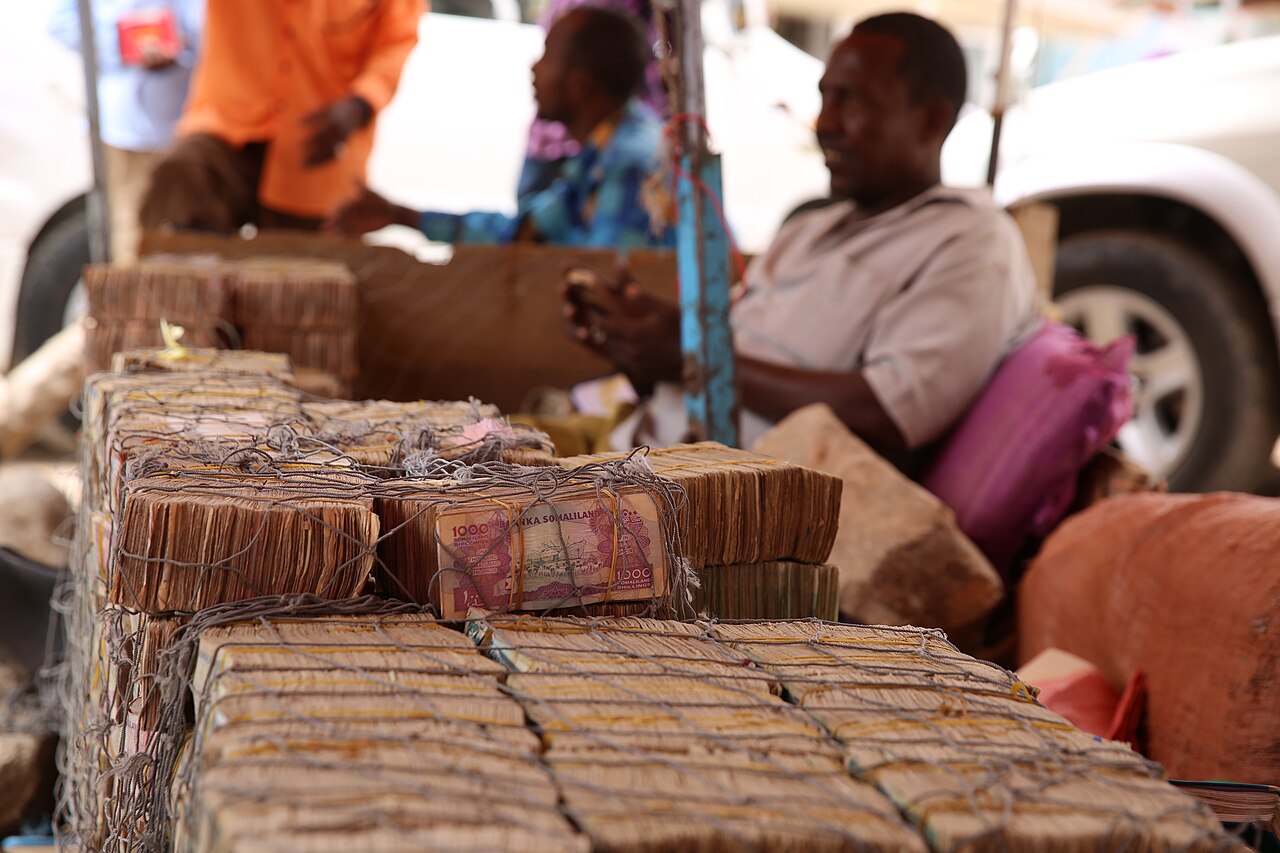
That currency is the Somaliland shilling, whose notes carry the name of the territory’s central bank, Baanka Somaliland. Money changers in Hargeisa trade the notes in thick bundles, a daily sign that the territory runs its own economy.
Elections are central to Somaliland’s case for recognition. In November 2024 its electoral commission declared opposition leader Abdirahman Mohamed Abdullahi, known as Irro, the winner with 63.92% of the vote.
He defeated the incumbent, Muse Bihi Abdi, who took 34.81%, and power changed hands peacefully. Irro, a former speaker of parliament who founded the Waddani party in 2012, still led Somaliland in October 2026.
Somaliland also keeps its own army, which was drawn into the 2023 conflict around Las Anod, a town it had claimed from neighbouring Puntland in 2007. On 30 July 2025 a conference in Las Anod declared the North East State, which Somalia’s federal government recognised as a member state.
Somaliland and Puntland both claim parts of that new state, according to Security Council Report, a New York group that tracks the UN Security Council. The split shows that not every community inside Somaliland’s claimed borders backs independence.
Who Recognises It
Israel became the first UN member state to recognise Somaliland on 26 December 2025, according to Security Council Report. Mogadishu and several regional actors condemned the step, and the African Union Commission chairperson, Mahmoud Ali Youssouf, rejected any recognition the same day.
Israel has since deepened the tie, and its foreign minister, Gideon Saar, visited Somaliland in January 2026. In April it named Michael Lotem as its first ambassador to Somaliland, based outside the territory, Garowe Online reported.
On 18 May 2026, Somaliland’s first ambassador to Israel, Mohamed Hagi, presented his credentials to President Isaac Herzog, according to Security Council Report. President Irro then visited Israel in June 2026, where he was due to open an embassy in Jerusalem.
No other country had followed by February 2026, according to the International Crisis Group, a conflict research organisation, and that includes the United Arab Emirates. The Emirati firm DP World runs Somaliland’s main port, and our report on Somaliland’s UN recognition drive follows the lobbying in New York.
Taiwan opened a representative office in Hargeisa on 17 August 2020, after working with Somaliland on health, education and maritime security since 2009. The link joins two governments that most of the world declines to recognise formally.
In Washington, Somaliland recognition is debated rather than decided. In June 2025 Representative Scott Perry, a Pennsylvania Republican, introduced the Republic of Somaliland Independence Act, which would authorise the president to recognise it.
President Trump said in December 2025 that recognising Somaliland was “still under review”, Garowe Online reported. He also played down Somaliland’s proposal of US access to a port or military facility near the Gulf of Aden, calling it a lower priority.
In August 2026 General Dagvin Anderson, head of US Africa Command, said Washington had no plans to recognise Somaliland and dismissed talk of a US base there. Our report on the Berbera, minerals and bases offer sets out what Hargeisa has put on the table, and Mogadishu’s rival bid.
Berbera Port and the Ethiopia Deal
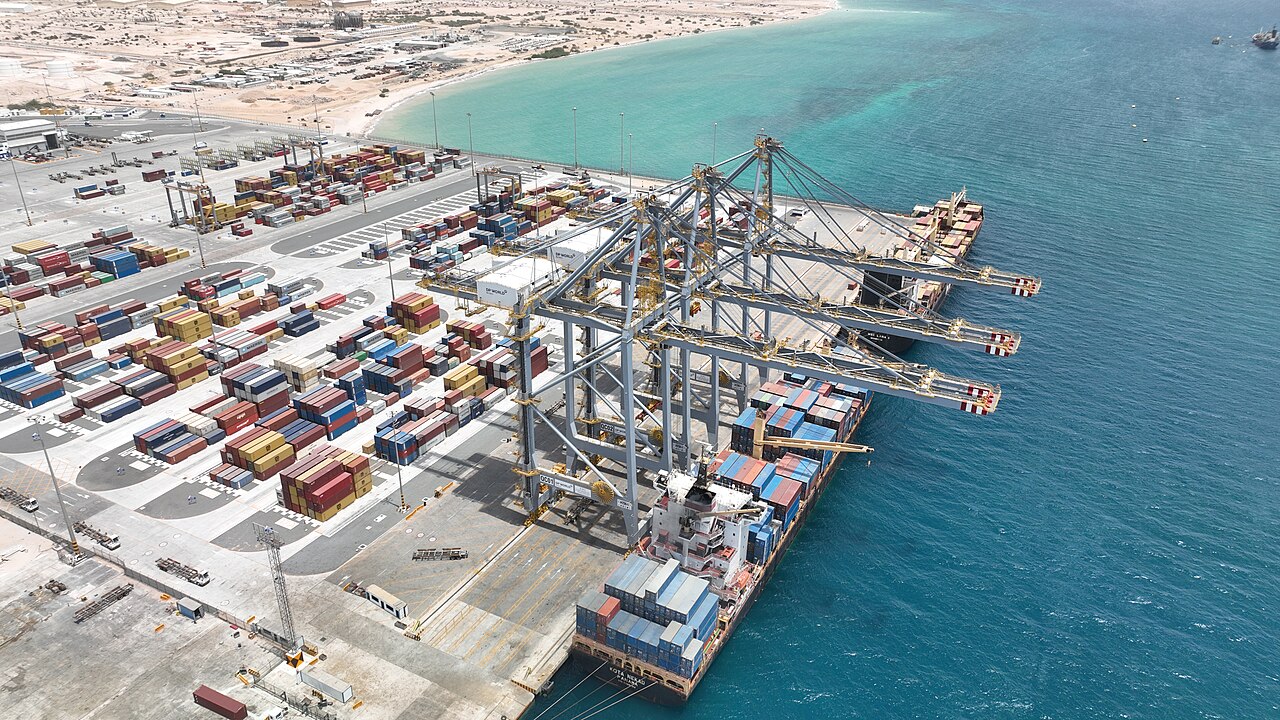
Berbera is Somaliland’s main port on the Gulf of Aden, a short sail from the Bab el-Mandeb strait. DP World runs it and has launched a direct route to its Jebel Ali hub in the UAE, calling at Aden and Djibouti every nine days.
From Berbera, DP World says, cargo moves on to inland markets including Ethiopia, which has no coast of its own. That makes the port a potential alternative to Djibouti, Ethiopia’s main outlet to the sea, as our Djibouti explainer describes.
On 1 January 2024, Ethiopia and Somaliland, then led by Muse Bihi Abdi, signed a memorandum of understanding. It reportedly gave Ethiopia access to the Gulf of Aden in exchange for formal recognition of Somaliland, according to Security Council Report.
Crisis Group described the reported terms as a strip of coastline for an Ethiopian naval base, in return for a promise of recognition. Our explainer on Ethiopia’s demand for Red Sea access shows why Prime Minister Abiy Ahmed treats the sea as a national cause.
Somalia rejected the memorandum as fraudulent, null and void, and tensions with Ethiopia escalated through 2024. Turkey then brokered the Ankara Declaration of 11 December 2024, in which both leaders reaffirmed each other’s sovereignty and territorial integrity.
The declaration envisaged Ethiopian access to the sea under Somalia’s sovereign authority, which left the Somaliland deal in limbo. In September 2026 Somalia’s state minister for foreign affairs, Ali Mohamed Omar, said the Ankara Declaration now governs ties with Ethiopia, Garowe Online reported.
On 12 January 2026 Somalia’s cabinet suspended all port, defence and security deals with the UAE, including those covering Berbera, Garowe Online reported. Our report on Red Sea geopolitics in the Horn traces how that decision reached the port.
Somaliland, Puntland and Jubaland rejected the move, saying Mogadishu had no authority over deals they had made with the UAE. DP World still operates Berbera and markets new routes through it, but the port’s legal status remains contested.
Somalia’s Position and the Legal Debate
Somalia’s federal government says Somaliland is Somali territory and treats foreign deals with Hargeisa as a breach of its sovereignty. Its president, Hassan Sheikh Mohamud, says his mandate runs to 15 May 2027, while the opposition argues it expired in May 2026.
The African Union backs Mogadishu on a core principle. Its founding Constitutive Act commits members to respect the borders existing on achievement of independence, a rule meant to stop Africa’s post-colonial states from breaking apart.
President Hassan Sheikh Mohamud said in January 2026 that dialogue was open on everything except Somalia’s unity, Garowe Online reported. The AU Commission warned in December 2025 that recognising Somaliland risked “a dangerous precedent” for peace across Africa.
Yet British Somaliland had borders of its own when it became independent on 26 June 1960, so Hargeisa can invoke the same rule. On that reading, recognition would restore a colonial-era border rather than redraw one.
Somaliland’s leaders also point to decades of self-rule and to elections such as the 2024 vote, which changed the government peacefully. Yet Somaliland does not control all the land it claims, as the 2025 split over Las Anod showed.
Somalia has also drawn closer to Egypt and Eritrea, and the three met with Sudan at El Alamein in Egypt on 4 October 2026. Their joint declaration said Red Sea governance belongs to coastal states alone, and our Eritrea explainer shows why Asmara joined.
The dispute is one of five fault lines in the region, alongside Ethiopia and Eritrea, Sudan’s war, the Houthis and the Nile. Our guide to Horn of Africa geopolitics shows which outside powers back which side.
What the Markets Say
On Kalshi, a US exchange regulated by the Commodity Futures Trading Commission, traders put a 6% chance on President Trump recognising Somaliland before 1 January 2027. The same market priced 30% before 2028 and 52% before 20 January 2029, as of 15 October, 6:41 a.m. ET.
Polymarket’s market on whether Trump recognises Somaliland before 2027 stood at 5%, with about US$182,000 traded. In a separate Polymarket market on which country joins the Abraham Accords, the US-brokered ties with Israel, before 2027, Somaliland stood at 12.5%.
Polymarket also priced a 97.7% chance that Somaliland holds no parliamentary election before 2027. Taken together, the bets treat US recognition as close to a coin flip within Trump’s term, but unlikely before 2027.
Why we show this: prediction markets turn real-money bets into a live probability that moves within minutes of the news, which is why investors, campaigns and newsrooms in the United States now follow them closely. We show them next to polls and official results, never instead of them.
What It Means for US Readers
Berbera matters to shipping because it sits on the Gulf of Aden route into the Bab el-Mandeb, the way to the Suez Canal. The US Energy Information Administration found that Red Sea routes carried about 12% of seaborne oil trade in the first half of 2023.
A war over Somaliland would add risk to a sea lane already strained by Houthi attacks from Yemen, which our Bab el-Mandeb analysis tracks. Higher risk means higher insurance and freight costs, which US importers eventually pay.
For US policy, recognition would please Israel and supporters in Congress but anger Somalia, where US forces still strike al-Shabaab, an al-Qaeda affiliate. US Africa Command runs its Horn of Africa task force from Camp Lemonnier in neighbouring Djibouti.
For investors, Berbera offers a route into Ethiopia’s large market, but contracts there carry political risk because Mogadishu disputes them. US recognition could ease that risk, while a wider conflict could freeze trade.
What Is Not Known
It is not known whether any other country will follow Israel, or whether Washington will act during President Trump’s term. It is also unclear what Somaliland would grant Israel or the United States in return.
The full text of the January 2024 memorandum with Ethiopia has never been officially published. Somaliland’s foreign minister said in January 2025 that the new administration had not yet seen it.
It is also unclear how Somalia’s dispute over its president’s mandate will shape any talks with Hargeisa. Qatar tried to revive those talks in June 2025 by inviting Irro to Doha, Garowe Online reported, but where that effort stands is not known.
Frequently Asked Questions
Is Somaliland a country?
Somaliland has run itself as a separate state since declaring independence from Somalia on 18 May 1991, with its own government, currency and army. Only Israel among UN members recognises it, so most of the world still treats it as part of Somalia.
Which countries recognize Somaliland?
Israel became the first UN member state to recognise Somaliland, on 26 December 2025. Ethiopia’s January 2024 memorandum linked recognition to sea access, but Addis Ababa never recognised it, and no other UN member had followed by early 2026.
Will the US recognize Somaliland?
Washington has not recognised Somaliland, and the head of US Africa Command said in August 2026 that there were no plans to do so. On Kalshi, traders put the chance of recognition by President Trump before 2027 at 6% on 15 October 2026.
Why does Ethiopia want Somaliland’s port?
Ethiopia has no coastline, and Berbera port in Somaliland offers a route to the Gulf of Aden besides Djibouti. Its January 2024 memorandum traded possible recognition for sea access, but the deal stalled after Turkish mediation.
Sources
- Security Council Report, Somalia monthly forecast (Israel’s recognition, ambassador’s credentials), June 2026
- Security Council Report, Somalia monthly forecast (North East State), October 2025
- Security Council Report, Somalia monthly forecast (Ankara Declaration), February 2025
- Security Council Report, Somalia monthly forecast (Somaliland election, 1 January 2024 memorandum), December 2024
- Security Council Report, Somalia chronology, accessed October 2026
- Garowe Online, Muse Bihi loses Somaliland election, 19 November 2024
- Garowe Online, Somaliland reassesses Ethiopia sea access deal, 7 January 2025
- Garowe Online, Somaliland’s quest for international recognition, 21 May 2024
- Garowe Online, Las Anod clashes, 5 January 2023
- Garowe Online, Somaliland president expected to visit Qatar, 27 June 2025
- Hiiraan Online, President Irro: A Vision for Somaliland’s Future, 12 October 2026
- Crisis Group, Ethiopia, Eritrea and Tigray: A Powder Keg in the Horn of Africa, 18 February 2026
- DP World, Somaliland operations, accessed October 2026
- African Union, Constitutive Act (Article 4b), 2000
- Somali Guardian, presidential term dispute, 16 May 2026
- US Energy Information Administration, Red Sea chokepoints, 4 December 2023
- US Africa Command, Combined Joint Task Force-Horn of Africa, accessed October 2026
- US Africa Command, 2026 strikes, accessed October 2026
- US State Department, Office of the Historian, Somalia, accessed October 2026
- African Union Commission, chairperson rejects any recognition of Somaliland, 26 December 2025
- Garowe Online, Trump on recognising Somaliland, 27 December 2025
- Garowe Online, Somalia suspends port, defence and security deals with the UAE, 12 January 2026
- Garowe Online, federal states and Somaliland reject the UAE deal suspension, 13 January 2026
- Garowe Online, Somali president offers talks but rules out secession, 19 January 2026
- Garowe Online, Israel accredits first Somaliland ambassador, 26 February 2026
- Garowe Online, Israel appoints first ambassador to Somaliland, 15 April 2026
- Garowe Online, May 18 celebrations in Borama, 18 May 2026
- Garowe Online, Somaliland president arrives in Israel, 14 June 2026
- Garowe Online, AFRICOM chief says US has no plans to recognise Somaliland, 1 August 2026
- Garowe Online, Somalia says Ankara Declaration governs ties with Ethiopia, 2 September 2026
- US Government Publishing Office, H.R. 3992, Republic of Somaliland Independence Act, 12 June 2025
- Taiwan Representative Office in the Republic of Somaliland, about the office, accessed October 2026
- Security Council Report, Horn of Africa closed consultations (El Alamein Joint Declaration), 12 October 2026
- Garowe Online, US walks diplomatic tightrope on Somalia unity, 3 February 2026
This article was produced by The Rio Times’ automated AI newsroom. Editorial responsibility: Matthias Camenzind, Publisher and Editor-in-Chief. The Rio Times also runs Ask Rio Times, which answers from 100,000+ of our own articles, the daily Latin America Power Map, and prediction-market odds on elections and markets.. How we use AI · Report an error
Horn of Africa and the Red Sea
- Horn of Africa 2026: Why It Matters and Who Backs Whom
- Ethiopia’s Neighbors Explained, Ports, Eritrea, Somalia
- Eritrea Explained 2026, a Red Sea Country Guide
- Somalia Explained: Al-Shabaab, Somaliland, the Ports and the Fight Over a 2026 Vote
Brazil runoff date: Sunday, October 25, poll closing times and when results start · Brazil runoff polls: Flávio 51%, Lula 49% · Kalshi and Polymarket odds
Rotate for Best Experience
This report is optimized for landscape viewing. Rotate your phone for the full experience.
You've reached your free article limit
Subscribe to The Rio Times for unlimited access to our reporting from across Africa.