Ghana Cuts Payment Limits After Cyberattacks
Ghana’s central bank has temporarily lowered daily limits on mobile money and bank accounts. It cites cyberattacks and promises a review.
Ghana: Cybersecurity
Ghana’s central bank cut daily transaction limits on mobile money wallets and bank accounts on Sunday 29 November 2026, after cyberattacks on several sectors of the economy. The Bank of Ghana (BoG) said the cut takes immediate effect and is temporary.
BoG’s press release, dated 29 November, says the attacks targeted “various sectors of the economy, including entities within the financial ecosystem”. It says the step is meant “to protect customers and safeguard the financial system amid disruptions to some banking applications and digital payment services”, as reported by Joy Online, Citi Newsroom and 3News, three Ghanaian news outlets.
Key Facts
- Who. The Bank of Ghana (BoG, the central bank) and Ghana’s national Cyber Security Authority.
- What. Daily transaction limits on mobile money wallets and bank accounts were cut temporarily after cyberattacks.
- Where. Ghana, across banks, mobile money operators and digital payment services.
- As of. 29 November 2026, 12:30 GMT
Ghana’s central bank has temporarily lowered daily limits on mobile money and bank accounts. It cites cyberattacks and promises a review.
The disruptions began days earlier. On Wednesday 25 November, some customers of Fidelity Bank, a Ghanaian lender, could not send money to mobile money wallets, 3News reported, and on Saturday 28 November Stanbic Bank Ghana posted on X, the social network, that mobile money services were “currently unavailable due to ongoing system maintenance”.
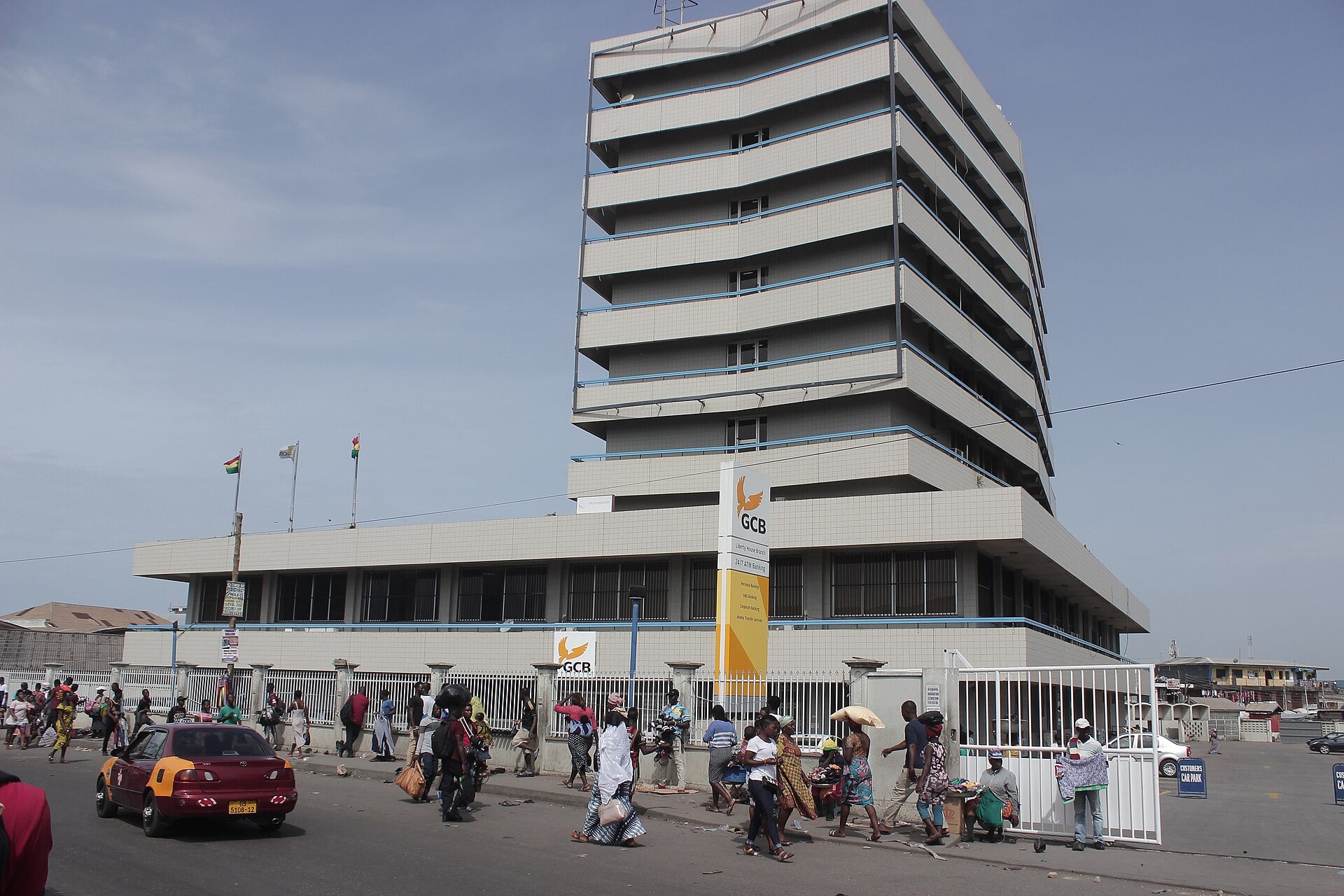
GCB Bank, a Ghanaian lender, announced a “temporary service disruption” blamed on system maintenance, while Fidelity cited “system downtime”, according to Graphic Online. BoG’s release notes that some institutions blamed system maintenance and others technical issues.
Graphic Online reported that as of Saturday evening neither BoG, the interbank payment operator nor any bank had publicly confirmed an attack, while hacking claims circulated on social media. BoG’s statement is the first official acknowledgement in published reports.
The cut comes on top of an earlier change. A new mobile money limits framework took effect on 24 November 2026, Joy Online and the Ghana News Agency (GNA, the state news agency) reported, and Joy says it sets limits for mobile money agents for the first time.
Under that framework, monthly caps now stand at GH¢150,000 (about US$12,700) for wallets in the middle identity-verification tier and GH¢300,000 (about US$25,500) for the highest tier. These tiers are called KYC, short for “know your customer”, and there was no monthly limit before.
The Minimum KYC tier keeps GH¢3,000 a day (about US$255) and GH¢10,000 a month (about US$850), per Joy Online. Those limits are a separate, earlier framework from Sunday’s temporary cut.
Governor Dr Johnson Asiama of the Bank of Ghana defended the tiers at the Chartered Institute of Bankers Governor’s Day Dinner at the Labadi Beach Hotel in Accra, in remarks Joy Online reported on 29 November. “Each limit is tied to KYC tiers, so where more money moves, we know more about who is moving it,” he said.
He described “a complex, ever-evolving cyber threat landscape that tests the resilience of our institutions”. “These measures are meant to protect digital finance, not to hold it back,” Asiama said.
The industry has backed the tighter regime. Godwin Kwami Tamakloe, chief regulatory risk and compliance officer at MobileMoney Financial Ltd (MTN’s mobile money company), told GNA on 28 November that “the revised limits are a significant step in the right direction, and MoMo and other operators are implementing them”.
GNA also reported that the company said existing wallet balances would not be affected. No critic of the limits is named in published reports.
BoG’s release lists the affected services as banking apps, internet banking, account-to-wallet transfers, instant interbank transfers, GhQR (the national QR payment standard) and other digital payments. It points customers to ATMs, USSD (dial-code) services, GhanaPay, bank branch counters and authorised mobile money agents.
Customers who need more than the new limits can visit branches, where banks will extend operating hours and offer assisted transactions “subject to verification”, Joy Online and Citi reported. Banks must also give timely, clear information on affected services, including expected restoration times.
BoG told customers not to share PINs, passwords or one-time codes (OTPs) and to report suspicious activity. “At this time, there is nothing to suggest that customers’ deposits have been compromised,” the Bank said, adding that financial institutions were actively monitoring transactions and strengthening protective controls while investigations continue, Citi reported.
BoG says it is working with the Cyber Security Authority (CSA, the national cyber agency), commercial banks, specialised deposit-taking institutions, payment service providers and the Ghana Interbank Payment and Settlement Systems Limited (GhIPSS, the interbank payment operator) to assess the situation, contain the incidents and restore services. In a separate Joy Online report, Asiama said an institution that detects an unauthorised transfer “must call immediately”.
He added that “the ultimate responsibility is shared and lies with every Board member who approves a budget”. No report says whether any bank has been fined or told to change its systems.
For Ghanaians, the cut means fewer and smaller digital payments a day, and a trip to a branch for larger ones. For diaspora senders, including those in the United States, money sent home through mobile money or banks may be capped or delayed, although no report says anything specific about remittances.
The new limit amounts were not published, and 3News noted that the release does not give them. Published reports also leave open which institutions were attacked, who is behind it, whether any money was lost and how long the cut will last.
BoG says the measures “will be reviewed as the situation evolves”, with any changes communicated to the public. A date for that review has not been confirmed.
More: Ghana news in English, every day from The Rio Times.
Related coverage: Ghana mobile money firm warns of scam calls.
Frequently Asked Questions
What has the Bank of Ghana changed?
It temporarily cut daily transaction limits on mobile money wallets and bank accounts, effective immediately. The release does not give the new figures.
Is my money safe in Ghana’s banks and wallets?
BoG says there is nothing to suggest customers’ deposits have been compromised. It urges customers never to share PINs, passwords or one-time codes.
What can I do if I need to move more than the limit?
Visit a bank branch, where staff will offer assisted transactions subject to verification. ATMs, USSD services, GhanaPay and authorised agents are also named as alternatives.
This article was produced by The Rio Times’ automated AI newsroom. Editorial responsibility: Matthias Camenzind, Publisher and Editor-in-Chief. The Rio Times also runs Ask Rio Times, which answers from 100,000+ of our own articles, the daily Latin America Power Map, and prediction-market odds on elections and markets.. How we use AI · Report an error