Russia Threatened Britain’s Factories. Here Is What That Means

Security · Britain
—The trigger. Prime Minister Andy Burnham announced in Kyiv on 25 August that Britain will hand Ukraine the blueprints to build its own Storm Shadow missiles.
—The threat. Within hours, Kremlin adviser Andrei Fedorov said British factories making drones or missile parts could be attacked ‘not by Russia, but from unknown sources’.
—The formulation. Fedorov, a former deputy foreign minister, said Moscow has not ruled out paramilitary action against British arms manufacturers.
—The reply. Burnham answered the Kremlin’s ‘adding fuel to the fire’ charge with a question: ‘Who started the fire?’
—The background. The Telegraph reports Russia has already launched a wave of attacks on European arms factories, recruiting local gang members to carry them out.
—The weapon. Storm Shadow is the Anglo-French cruise missile, built by MBDA, that lets Ukraine strike deep behind Russian lines — and soon, build that power at home.
Handing Kyiv the blueprints to a cruise missile was always going to draw a response from Moscow. What arrived was not a protest note but a mobster’s sentence: nice factories you have there.
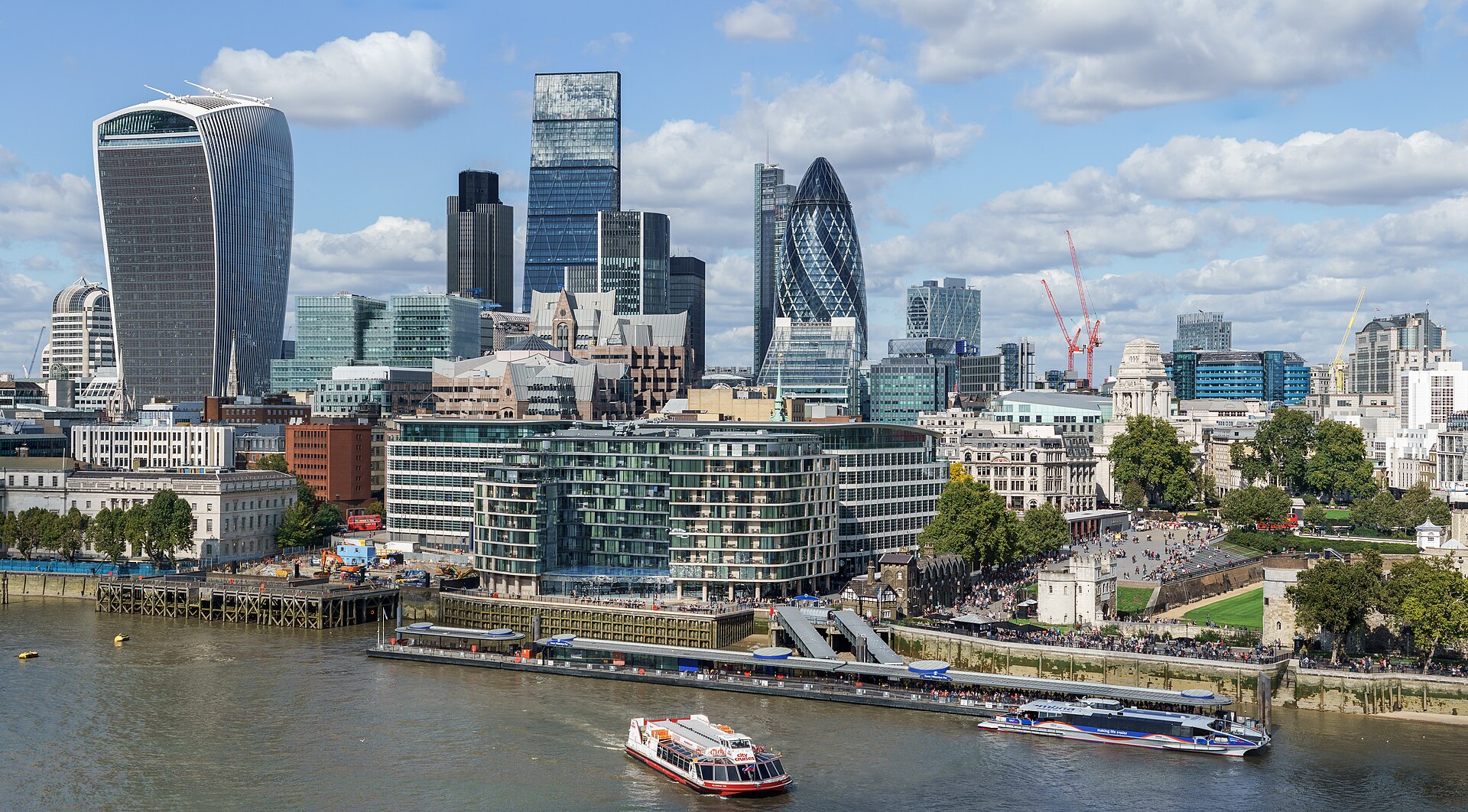
The announcement in Kyiv
Andy Burnham chose the location deliberately. Standing in Kyiv on 25 August, the British prime minister announced that the UK would share production technology for the Storm Shadow — the missile Ukrainians call their longest arm — so that Ukraine can manufacture it itself.
The logic is industrial as much as military. Britain’s own production lines are finite; a Ukraine that builds its own long-range missiles stops queueing for Western stocks and starts planning around its own output.
Storm Shadow — SCALP in French service, built by the European missile house MBDA — has been one of the war’s decisive weapons since Britain first delivered it in 2023. Its strikes on command posts, depots and the Black Sea Fleet’s headquarters in Sevastopol rewrote Russia’s map of safe rear areas.
Transferring blueprints crosses a line that transferring missiles never did. A donated stockpile can be switched off; an indigenous production line is forever.
That is why Moscow’s fury arrived within hours, and why it arrived through a chosen instrument rather than a foreign ministry statement.
The threat, and how to read it
Andrei Fedorov is a former deputy foreign minister who speaks as a Kremlin adviser — close enough to matter, distant enough to disown. His venue was the BBC, and his phrasing was the story.
British factories producing drones or missile components for Ukraine, he said, could face attacks — ‘not by Russia, but from unknown sources’. Paramilitary action, he added, has not been one hundred percent ruled out.
The construction is a classic of deniable pressure. It names no order, threatens no state act, and yet tells every plant manager in Britain that the Kremlin is thinking about their address.
Fedorov added that Putin faces pressure to respond and that the response may one day be ‘not merely verbal, but perhaps visible in some form’. The vagueness is the payload: Britain is meant to fill in the blank itself.
British officials note the choice of messenger as much as the message. A named minister would be an ultimatum; an adviser is a weather balloon, released to see which way the reaction blows.
The timing doubles as a test of the new prime minister. Burnham has staked his Ukraine policy on industrial partnership rather than cheques, and Moscow’s answer targets precisely that strategy’s factories.
The sabotage campaign already here
The threat lands on ground already scorched. The Telegraph reports that Russia has mounted a new wave of attacks on European arms factories, recruiting local gang members to do the work and testing NATO’s response with each incident.
The method is deliberate in its deniability. A fire set by a paid criminal is a police matter; a pattern of such fires is a state operation — and the gap between the two is where Moscow works.
The technique has a documented track record across Europe: incendiary devices in courier networks, arson at warehouses linked to Ukraine aid, and recruitment of petty criminals through encrypted channels, paid in cash or cryptocurrency.
Poland, Germany and the Baltic states have all publicly attributed such operations to Russian intelligence in the past two years, and several have expelled diplomats in response. Britain’s own counter-terror police have treated defence-industry sites as elevated targets since the war began.
The economics of the method are the attraction. A recruited gang member costs thousands; a tightened security perimeter costs millions — and every defence plant in Europe now prices both sides of that equation.
Britain has already been in this film. Moscow previously accused London of ‘deliberately opting for escalation’ after reports that British-made drones were used in strikes inside Russia, and British sites have featured in Europe’s wider sabotage wave.
Insurance premiums for defence plants have already risen across Europe this year. The Fedorov formulation will raise them again, which may be part of the intent.
What Britain does next
Burnham’s public answer was a counter-question. Told the Kremlin called the transfer ‘adding fuel to the fire’, he replied: ‘Who started the fire? That’s the question, isn’t it?’
Privately, the answer is security. Factory perimeters, supply chains and staff vetting across Britain’s defence industry move up a tier, and counter-intelligence resources follow.
The alliance dimension is the trap and the point. An attack ‘from unknown sources’ tests how NATO responds to aggression that arrives without a return address — which is precisely why the response must be treated as an alliance problem, not a British one.
The Storm Shadow decision raises the ceiling on the whole contest. Blueprints make Ukraine’s missile industry permanent, and permanent threats draw permanent answers.
The wider lesson travels beyond Britain. Every European government arming Ukraine now calculates the same risk: the closer the aid comes to production, the closer the retaliation comes to home.
The strategic picture is simpler than the smoke. Russia threatens because the blueprints matter; a Ukraine that manufactures its own deep-strike missiles is a permanent feature of Europe’s map, and permanence is what Moscow cannot accept.
Frequently Asked Questions
What did Russia threaten against Britain?
Kremlin adviser Andrei Fedorov said on 25 August 2026 that British factories producing drones or missile components could face attacks ‘not by Russia, but from unknown sources’, and that paramilitary action has not been ruled out. The threat followed the UK’s decision to share Storm Shadow missile production technology with Ukraine.
What is the Storm Shadow missile?
Storm Shadow — SCALP in French service — is an Anglo-French long-range cruise missile built by MBDA, delivered to Ukraine by Britain from 2023 and used to strike targets deep behind Russian lines. Britain’s decision to hand over production blueprints would let Ukraine build the missile itself.
Has Russia attacked European arms factories before?
According to the Telegraph, Russia has mounted a wave of attacks on European arms factories, recruiting local gang members to carry them out. The pattern is designed to stay below the threshold of attributable state action while testing NATO’s response.
How did the UK respond to the threat?
Prime Minister Andy Burnham publicly dismissed the Kremlin’s ‘adding fuel to the fire’ charge, answering: ‘Who started the fire?’ Security around Britain’s defence industry is expected to tighten as the technology transfer proceeds.
Connected Coverage
Europe Intelligence Brief — Wednesday, August 26, 2026
This article was produced by The Rio Times’ automated newsroom system. How we use AI · Report an error · Editorial responsibility: Matthias Camenzind, Editor-in-Chief
Read More from The Rio Times