Europe Intelligence Brief — Wednesday, August 26, 2026
Executive Summary
Europe Intelligence Brief for August 26: the CIA director spent eight hours in Moscow as Ukraine’s drones pressed deeper into Russia.
Rio Times · Europe Intelligence Brief August 26, 2026
Key Facts
- The visit. CIA Director John Ratcliffe spent about eight hours on the ground in Moscow yesterday on an unannounced trip tracked by flight data; the Kremlin says it knows of no meetings, and the CIA declines comment.
- The admission. Ukraine’s ousted defence minister, Mykhailo Fedorov, told Reuters that Ukraine appears to be slowly losing the war, blaming a lack of vision and of innovation.
- The crossing. A Russian drone strike damaged the Vynohradivka border crossing between Ukraine and Moldova, which Kyiv called the systematic targeting of civilian corridors.
- The pivot. Hungary’s new government has classified Russia as a threat, a reversal of a decade of accommodation from Budapest.
- The budget. Prime Minister Sébastien Lecornu warned that the absence of a 2027 budget would mean “disorder and financial instability” for France.
- The retreat. Volkswagen is cutting its management ranks by a quarter, and Chancellor Merz’s cabinet closed a Brandenburg retreat promising an end to the gloom.
Read Europe this morning and the continent is glancing backward: at a plane on a Moscow runway nobody will acknowledge, at a minister in Kyiv saying aloud what capitals will not, at a border crossing into Moldova with drone damage on it. The week has made the war feel near again.
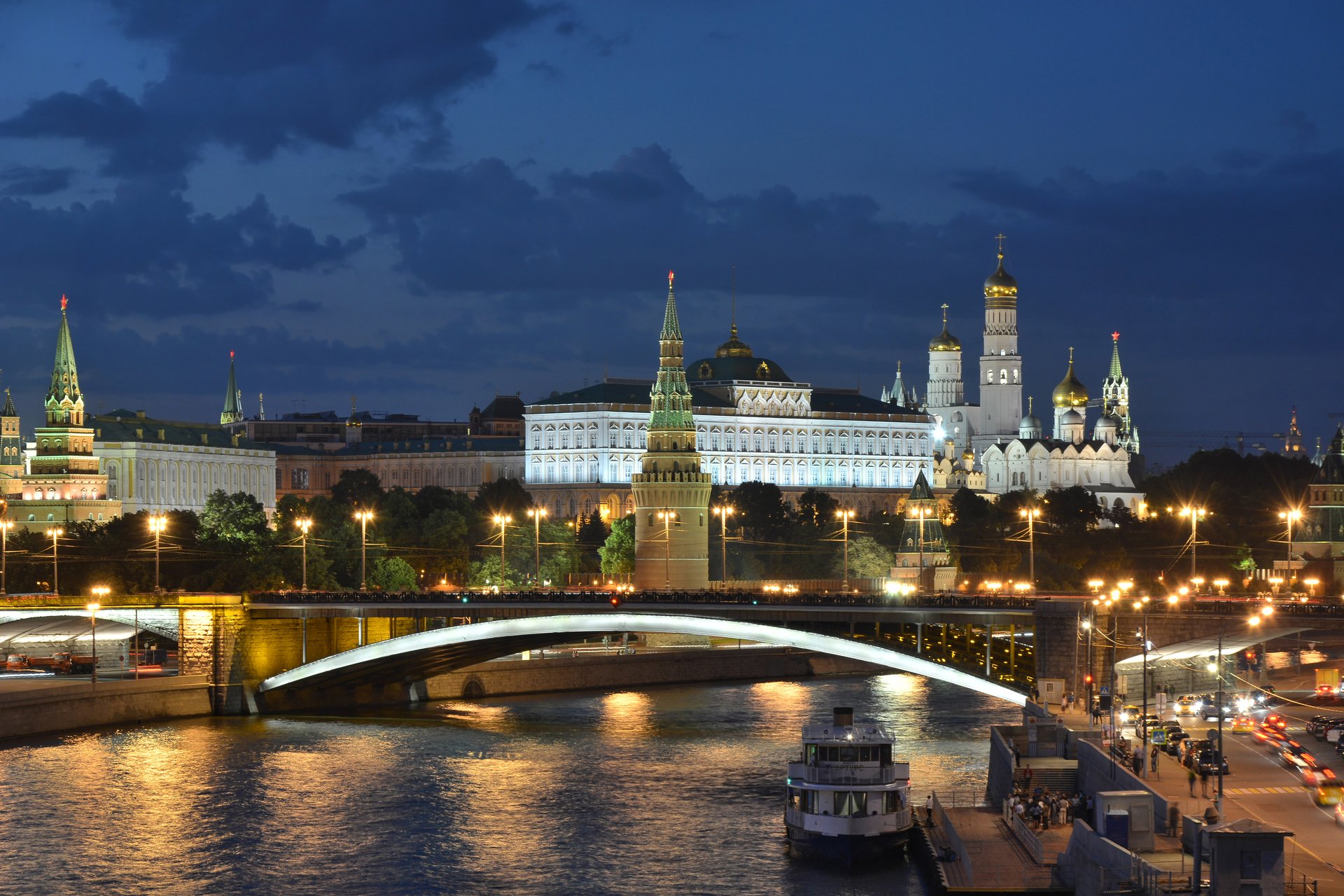
Read in English, German, French, Italian, Spanish, Polish and Ukrainian, across the continent’s largest outlets and our own Europe desk.
Ukraine And Russia: Eight Hours In Moscow
The flight nobody acknowledges
Flight-tracking data showed CIA Director John Ratcliffe on the ground in Moscow for roughly eight hours yesterday, in what the New York Times reported as a secret diplomatic trip. Kremlin spokesman Dmitry Peskov told reporters he had no information about the plane and no meetings were planned; the CIA declined to comment.
A visit that officially did not happen, in the same week President Zelensky tabled a joint Ukraine-US-Europe proposal — ceasefire, reciprocal withdrawal, European and NATO guarantees — that Washington has agreed to and the Kremlin has not. Secret flights are what public diplomacy looks like when it is embarrassed.
The sentence Kyiv was not supposed to say
Mykhailo Fedorov, the ousted defence minister, told Reuters that Ukraine appears to be slowly losing the war, citing the absence of an overall vision for winning and a failure to innovate. It is the bluntest assessment from a former member of the war cabinet since the invasion began.
The Ukrainian General Staff’s own daily count this morning claimed 1,450 Russian personnel lost in twenty-four hours — a number that, if the direction of the war favoured Kyiv, would not need saying. Russia’s defence ministry, for its part, claimed strikes on five vessels in the Black Sea ports of Pivdennyi and Odesa and on fuel storage at Chornomorsk.
The border moves west
Yesterday’s drone strike on the Vynohradivka crossing put damage on the Ukraine-Moldova border for the first time in months, and Foreign Minister Sybiha asked the world to condemn the targeting of civilian transport corridors. A Russian drone also destroyed a Wildberries warehouse in Tambov, and falling debris killed civilians in Lipetsk and Belgorod.
In Moscow, President Putin signed a decree letting the state temporarily seize and operate critical infrastructure whose owners cannot protect it — “not nationalisation,” his deputy prime minister clarified, which is what governments say when it is.
Hungary: Budapest Changes Its Mind
A threat, officially
Hungary’s new government has classified Russia as a threat in its security assessment, reversing the accommodationist line that made Budapest Moscow’s open door into the EU for a decade. The wording matters less than the signature: this is the document ministries act on.
The practical tests come quickly — energy contracts, the Paks nuclear project, and Hungary’s votes in Brussels. A Budapest that files Russia under “threat” is a different country in every sanctions rollover from here on.
France: The Budget Before The Election
Lecornu’s warning
Prime Minister Lecornu pressed today for early work on the 2027 budget, warning that its absence would mean “disorder and financial instability.” He speaks with the authority of a survivor: the 2026 budget took until February to force through, cost two predecessors their jobs, and left the deficit at 5.4% of output last year with debt at 117%.
Unemployment ticked to 8.3% in the second quarter, the regions are protesting cuts to training funds, and Bruno Le Maire chose this week to propose a six-nation federation inside the EU. France is having its budget argument and its Europe argument simultaneously, which in France is called Wednesday.
Germany: The End Of The Sulk
A cabinet in a forest
Merz’s cabinet closed a Brandenburg retreat selling unity under the unofficial slogan of ending the national gloom, with the chancellor holding his plan to phase out the pension-at-63 rule against resistance from eastern state premiers. Finance Minister Klingbeil retreated on his sugar tax, a small humiliation quickly christened the zero-disgrace.
The real economy sent its own memo: Volkswagen is shrinking management by a quarter in what boss Oliver Blume called a joint effort, while the ifo institute’s export sentiment index reached its best level since early 2022. Germany’s factories are more optimistic than Germany’s politics — an inversion worth watching.
Britain: Bricks And A Letter
The first wave
The Burnham government named the first areas for its housing fund this morning, the opening move of the building programme the new prime minister has staked his first hundred days on. Delivery, not announcement, is now the test.
The same government received a public letter from Priests Against Genocide over its Middle East stance — a reminder that Burnham’s coalition includes voters for whom foreign policy is a moral checklist. And the Duke and Duchess of Sussex are back in England, which the press will cover at greater length than the housing fund.
The Edges: A King In Hospital, A Border Reimposed
Oslo and Ceuta
King Harald V of Norway remains in hospital with a worsening condition, the palace said Monday, and the country is quietly rehearsing a transition it has not faced in three decades. Spain, meanwhile, reimposed air and sea border controls against Italy over the Ceuta pressure — Schengen’s flexibility, exercised in anger.
Europe’s security this week ran through a plane nobody acknowledged, on a runway nobody named, for a peace nobody has agreed to want.
What This Means From Latin America
A Ukraine that is slowly losing is a Ukraine that slowly raises the price of everything this hemisphere sells — grain, fertiliser, and the risk premium on any commodity with a port. The Vynohradivka strike is a freight quote in São Paulo by Friday.
France’s budget calendar matters here because French political paralysis is the single largest obstacle to the EU-Mercosur ratification calendar. Every month Lecornu spends firefighting is a month the deal does not move.
And there is a small, telling cameo: Canada’s Mark Carney will attend Ursula von der Leyen’s State of the Union address, a North American premier taking a European seat while his own trade war with Washington burns. Alliances are being re-sorted, and Latin America should notice who is shopping.
The Bigger Picture
Europe spent the summer managing the war as a line item: budgets, ifo prints, retreat photo-calls. This week the war stopped being a line item. It is an unmarked plane, a fired minister’s honesty, a damaged crossing into Moldova.
The continent’s institutions are intact and its certainties are not. Hungary reversed a decade; France’s fourth prime minister is already negotiating the fifth year; Germany’s recovery is believed by its exporters and by nobody else.
Looking over its shoulder is not panic. It is what a continent does when it realises the story behind it moved closer while it was reading the one in front.
Europe Intelligence Brief August 26, 2026: What We Are Watching
- What Ratcliffe carried — any readout, leak or denial that shapes the Zelensky proposal’s fate.
- Kyiv’s reply to Fedorov — whether the government answers the “slowly losing” assessment or lets it stand.
- Budapest’s first act — the Paks contracts and the next sanctions rollover will test the new designation.
- The 2027 calendar — whether Lecornu gets a budget timetable before the presidential season swallows the Assembly.
- Volkswagen’s quarter — whether management cuts become line closures, and where.
- Oslo — the palace bulletins on King Harald, and what a transition would mean for the oil fund’s famous calm.
More from the Rio Times Intelligence Desk on August 26, 2026: Africa · Asia · USA & Canada. For how these stories developed, see the Europe Intelligence Brief for August 25 and August 24.
The continent’s security and economic repositioning runs through our pillar coverage of Europe: The Reshaping.
Frequently Asked Questions
Why was the CIA director in Moscow?
Flight data showed John Ratcliffe on the ground in Moscow for about eight hours on August 25, in what the New York Times described as a secret diplomatic trip. The Kremlin said it had no information on meetings and the CIA declined to comment; the trip follows a joint Ukraine-US-Europe peace proposal tabled by President Zelensky on August 23.
What did Ukraine’s former defence minister say?
Mykhailo Fedorov told Reuters in an interview published this week that Ukraine appears to be slowly losing the war against Russia, blaming the absence of an overall vision for victory and a failure to innovate. It is the bluntest such assessment by a former war-cabinet member to date.
Has Hungary really changed its position on Russia?
Hungary’s new government has classified Russia as a threat in its security assessment, reversing a decade of accommodation under the previous administration. The classification is the document ministries act on; energy contracts and EU sanctions votes are the first practical tests.
What is France’s 2027 budget dispute about?
Prime Minister Lecornu warned on August 26 that the absence of a 2027 budget would mean disorder and financial instability, pressing for early parliamentary work. France’s 2026 budget was only forced through in February after toppling two governments, with the deficit at 5.4% of output and debt at 117%.
Sources: Just Security Early Edition, New York Times, Reuters, Kyiv Independent, Politico, Der Spiegel, Courthouse News, Bloomberg, Sky News, ISW · 24-26 August 2026.
This article was produced by The Rio Times’ automated newsroom system. How we use AI · Report an error · Editorial responsibility: Matthias Camenzind, Editor-in-Chief
LatAm Markets: Live Signals → — real-time movers, turnover leaders and FX across Latin America.