Guinea’s President Receives a Rusal Delegation Led by Russia’s Ambassador, With No Figures Announced
GUINEA · MINING
Key Facts
- —What happened Guinea’s president received a Rusal delegation led by Russia’s ambassador at the presidential palace in Conakry.
- —What was discussed Local processing of Guinean minerals, and Rusal’s existing bauxite and alumina operations.
- —What Rusal asked for Presidential support for its investments in the country.
- —What the president said He called local processing a strategic choice meant to last, and described it as essential and irreversible.
- —What was not announced No investment figure, project or commitment was made public.
- —The diplomatic note The ambassador conveyed greetings from President Vladimir Putin.
A presidential audience, greetings from Moscow, and not a single number on the table.
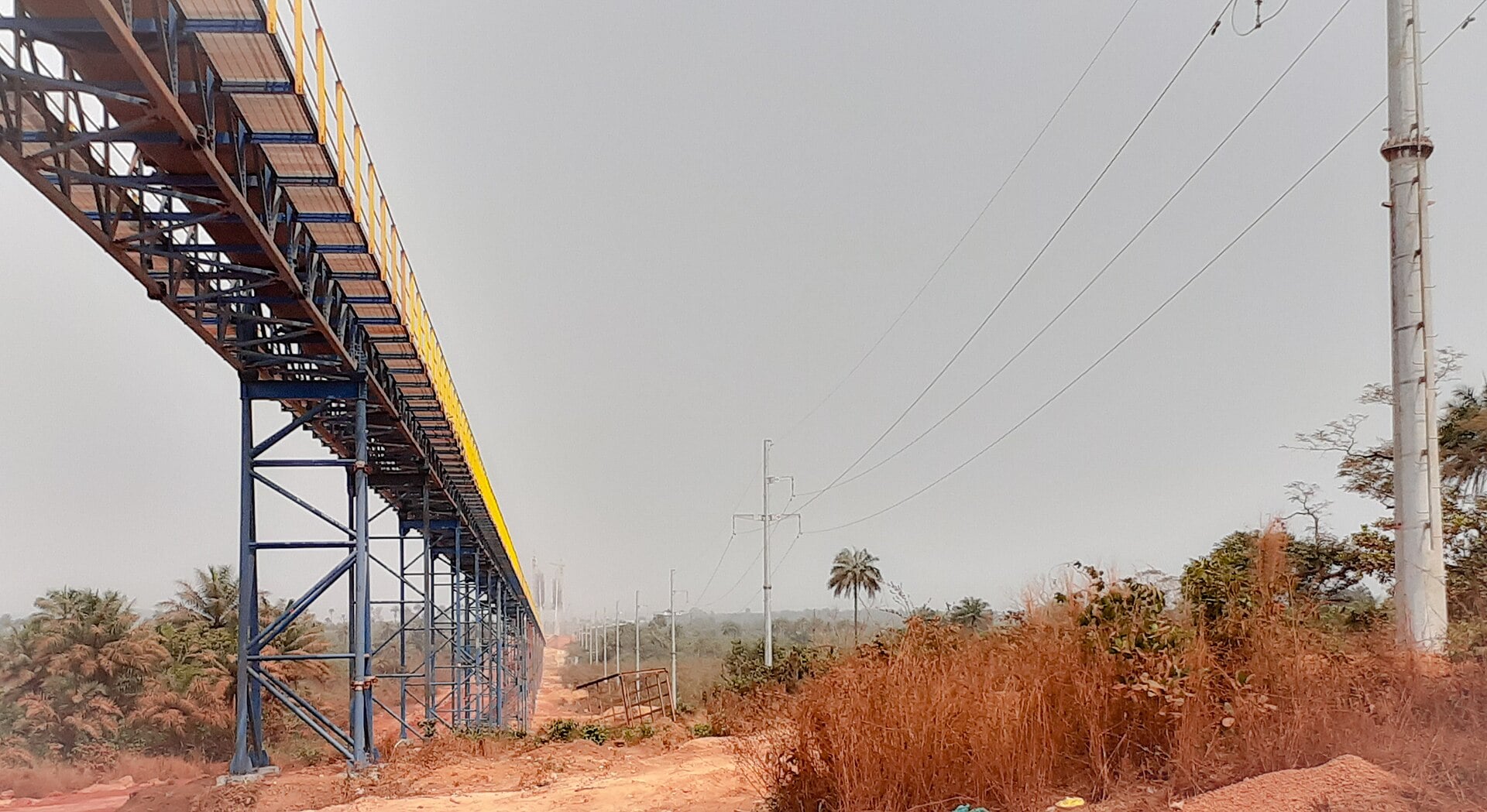
Guinea’s president Mamadi Doumbouya received a delegation from the Russian aluminium producer Rusal at the Palais Mohammed V in Conakry. The Russian ambassador to Guinea, Alexey Popov, led the delegation.
What Took Place
President Mamadi Doumbouya received the delegation at the Palais Mohammed V in Conakry. The Russian ambassador to Guinea, Alexey Popov, led it.
Popov conveyed greetings from President Vladimir Putin. Rusal asked for presidential support for its investments in Guinea.
What Was Actually Discussed
The subject was local transformation of Guinean minerals, meaning processing them in the country rather than exporting raw ore. Rusal’s existing presence is in bauxite and alumina.
Bauxite is the ore from which alumina is refined, and alumina is then smelted into aluminium. Guinea holds some of the world’s largest bauxite reserves.
What the President Said
Doumbouya described local processing as a strategic choice meant to last. He called the policy essential and irreversible.
That language is a signal to every foreign operator in the country, not only to Rusal. Guinea has been pushing miners toward domestic refining for several years.
What Was Not Said
No investment figure was announced. No project, site or timetable was made public by either side.
A presidential audience without numbers is a positioning exercise. We are reporting what was said rather than implying what might follow.
What Local Processing Actually Requires
An alumina refinery needs large, reliable electricity supply, water, port access and skilled operators. It is a far heavier commitment than a bauxite mine.
That is why exporting raw ore has remained the default. The policy pushes against the economics rather than with them.
What Is Already Being Built
Three alumina refineries are under construction in Guinea. A gold refinery is complete or close to it.
One of those projects is at Boffa, agreed in May 2026 with the Chinese producer Chalco. It is valued at about US$1.68 billion, which gives a sense of the capital such plants require.
The Programme This Sits Inside
Guinea has set out a long-term development programme running to 2040. It describes a fifteen-year effort valued at around US$200 billion, with a foundation phase of about US$65 billion to 2030.
Roughly seventy percent of that foundation phase is expected to come from private capital. The government has also set an ambition of reaching a B-plus sovereign credit rating.
The Iron Ore Project Nearby
Guinea’s Simandou iron ore project began operations in November 2025. Its first cargo of 200,000 tonnes reached China in January 2026.
It is no longer an undeveloped deposit, and it was not the subject of these talks. Rusal’s business in Guinea is bauxite and alumina.
What It Means for Guinea
For Guinean workers, refining creates more and better-paid jobs than mining alone. That is the case the government makes for the policy.
For the state, processed exports earn more per tonne. Whether that materialises depends on plants being built rather than announced.
What Is Not Yet Known
Neither party published a figure, a site or a timetable. It is unclear whether any Rusal commitment exists beyond the expression of interest.
The status of Guinea’s sovereign wealth fund has also not been updated publicly this year. Reports in late 2025 described it as created and as due to launch with about US$1 billion.
What to Watch
Any Rusal announcement naming a site or a sum. Without one, this meeting stands as diplomacy rather than investment.
Watch also for progress at the three refineries under construction. They are the measurable test of the local processing policy.
More: Africa news and analysis, every day from The Rio Times.
Frequently Asked Questions
Who met whom?
Guinea’s president Mamadi Doumbouya received a Rusal delegation led by Russia’s ambassador Alexey Popov in Conakry.
What was discussed?
Local processing of Guinean minerals and Rusal’s bauxite and alumina operations.
Was any investment announced?
No. No figure, project or timetable was made public.
What did the president say?
That local processing is a strategic choice meant to last, and is essential and irreversible.
What is being built already?
Three alumina refineries are under construction, including one at Boffa agreed with Chalco in May 2026.
Is Simandou part of this?
No. Simandou is an iron ore project that began operations in November 2025 and was not the subject of these talks.
Sources: Guinean presidency and press reporting on the Conakry meeting, 17 September 2026; Guinean government programme documents; Rio Tinto statements on Simandou operations.
This article was produced by The Rio Times’ automated newsroom system. How we use AI · Report an error
LatAm Markets: Live Signals → — real-time movers, turnover leaders and FX across Latin America.
Read More from The Rio Times