Guatemala Roxana Baldetti Asset-Forfeiture Trial Targets US$1.3 Million
GUATEMALA · JUSTICE
Key Facts
- —What happened Former vice president Roxana Baldetti joined by video on 18 September 2026 as her Guatemala asset-forfeiture trial resumed.
- —The context Prosecutors link the assets to the La Línea and Cooptación del Estado corruption cases.
- —Why it matters Guatemala’s 2010 law lets the state claim assets linked to crime without a criminal conviction.
- —The catch The court has not valued the assets; press estimates of over 10 million quetzales (about US$1.3 million) are unconfirmed.
- —Who it affects Former vice president Roxana Baldetti, who joined by video from home, and foreigners holding property in Guatemala.
- —What comes next Hearing resumes Tuesday, 22 September 2026, when MP is due to finish evidence; no ruling date set.
Guatemala’s former vice president joined by video link from home as prosecutors asked a judge to hand assets linked to her to the state.
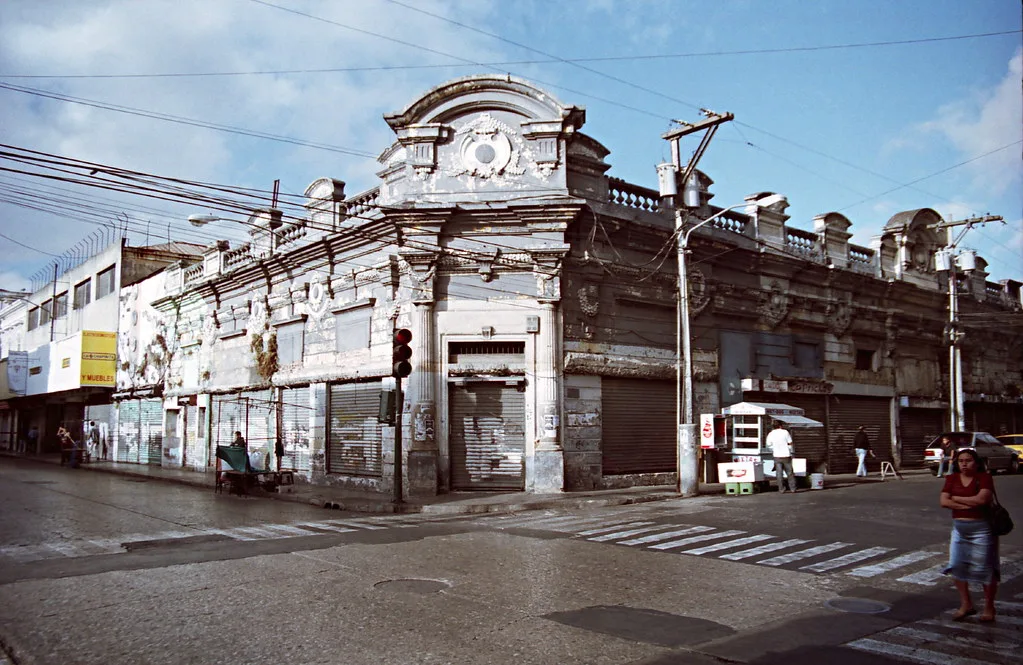
The Roxana Baldetti asset-forfeiture trial opened in Guatemala on Friday, 18 September 2026. Prosecutors want two properties, two vehicles and several bank accounts linked to the former vice president moved to the state.
What the Roxana Baldetti asset-forfeiture trial involves
The case is being heard by Guatemala’s Juzgado de Extinción de Dominio, a special court for asset forfeiture. Judge Delmar González presides.
Baldetti joined by videoconference, apparently from her home, La Hora reported. She is represented by lawyer Melkin Escobar.
The request comes from the Ministerio Público (MP), Guatemala’s public prosecutor’s office. It wants a judge to declare that the assets now belong to the state for good.
According to La Hora, the list includes an armored Nissan Patrol and a Sea-Doo boat. It also includes a property in Marina del Sur, Escuintla, and one in zone 5 of Guatemala City.
Prosecutors also want the money in eleven bank accounts, La Hora said. Prensa Libre reported that the MP has so far presented 290 pieces of evidence.
The case has been building for some time. On 20 May 2025, the same judge gave prosecutors more time to gather evidence on these assets, Prensa Libre reported.
The numbers behind the case
Figures here use about 7.64 quetzales to the dollar, at 19 September 2026 rates. Prensa Libre put the quetzal accounts at about 6.1 million quetzales (about US$800,000).
The dollar accounts hold a further US$80,824. The boat alone is valued by prosecutors at 245,000 quetzales (about US$32,000).
The Marina del Sur property could be worth more than US$500,000, according to what was said in court. La Hora estimated that all the assets together could top 10 million quetzales (about US$1.3 million).
These are figures from the prosecution and press reports. The court has not set its own value on anything.
Where the prosecutors say the assets came from
Prosecutors say the assets were found during their investigations in the La Línea, Cooptación del Estado and Coperacha cases. They argue no lawful way of buying them has been shown.
Prensa Libre reported that the assets were allegedly acquired through shell companies with no staff and no real business. La Hora said the boat was allegedly a gift from Juan Carlos Monzón, her former private secretary.
Under Guatemala’s 2010 asset-forfeiture law, this process is separate from any criminal case. The state does not need a criminal conviction to win it.
The law also presumes that assets under a properly founded claim come from illegal activity, unless proven otherwise. That puts pressure on the owner to show where the money came from.
Guatemala has used this law before in corruption cases. Soy502 noted that the state has already taken farms, helicopters, shell companies and bank accounts in other forfeiture cases.
Who Baldetti is and where her cases stand
Baldetti was vice president from 2012 until she resigned on 8 May 2015, during the La Línea customs fraud scandal. She was arrested in August 2015.
She was sentenced to 15 years in prison in the Agua Mágica case in 2018. In December 2022 she received 16 years in the La Línea case.
Since October 2025 she has lived at home under judicial permission after spinal surgery, Infobae and Agencia Ocote reported. A March 2026 ruling let her stay home with no set end date.
She still faces other criminal cases, including Cooptación del Estado, and a US extradition request on drug charges. Her last in-person court visit was on 20 May 2025, Prensa Libre reported.
Why this matters to expats and investors
For foreigners who own homes or keep money in Guatemala, this case shows how the forfeiture law works in practice. The state can seek property without first winning a criminal case.
The law also lets a judge approve an early sale of assets under dispute while a case runs. Buyers of property with a doubtful history can therefore face real risk.
The practical lesson is simple: keep clear title papers, bank records and proof of where money came from. Checking a seller’s background before buying beach or city property is worth the time.
Colombia, Mexico and Peru have similar forfeiture laws. Anyone holding assets across the region should know the local rules.
What happens next and what is not known
The judge adjourned the hearing to Tuesday, 22 September 2026, when the MP is due to finish presenting its evidence. At a later hearing, the state’s attorney general’s office and Baldetti’s lawyer will present their arguments.
Baldetti’s defense has not publicly set out its response. No date for a ruling has been given.
Reports also differ on some details, such as the exact quetzal balance and the number of accounts. Under the law, either side can appeal a ruling to a higher court.
The case resumes next week, and a clearer picture should come once both sides have been heard.
Frequently Asked Questions
Frequently Asked Questions
What is extinción de dominio?
It is Guatemala’s asset-forfeiture process, set out in a 2010 law. The state asks a special court to take assets it says come from crime, and no criminal conviction is needed.
How much are the assets worth?
Press estimates put the total at over 10 million quetzales (about US$1.3 million). The court has not yet set its own value on them.
What happens if the state wins?
The assets pass to the state for good. A national agency then manages them and can sell, auction or donate them.
Connected Coverage
US Terror Designations: 21 Latin American Groups Listed, Not 13
United States Third-Country Deportation Ruling Upheld in Boston
Sources: La Hora and Prensa Libre, 18 September 2026; Soy502; Infobae; Agencia Ocote; Guatemala’s Ley de Extinción de Dominio (Decree 55-2010).
This article was produced by The Rio Times’ automated newsroom system. How we use AI · Report an error
Read More from The Rio Times