US Terror Designations: 21 Latin American Groups Listed, Not 13
LATIN AMERICA · SECURITY
Key Facts
- —What happened US terror designations now cover 21 Latin American and Caribbean criminal groups, the newest being Ecuador’s Los Tiguerones.
- —The context The label was mainly for political groups like ISIS until 2025, when it was extended to profit-driven gangs and cartels.
- —Why it matters Dollar payments and business partners tied to listed groups can be blocked or delayed, even outside the United States.
- —The catch The list is public and official, not secret; the widely repeated figure of 13 dates from September 2025.
- —Who it affects Businesses dealing with firms in affected regions of Mexico, Ecuador and Brazil face tighter checks on who they pay.
- —What comes next No further names have been announced since Los Tiguerones, and local police powers are unchanged.
A headline about ‘13 groups’ is out of date. The official State Department list names 21, from Mexico to Brazil.
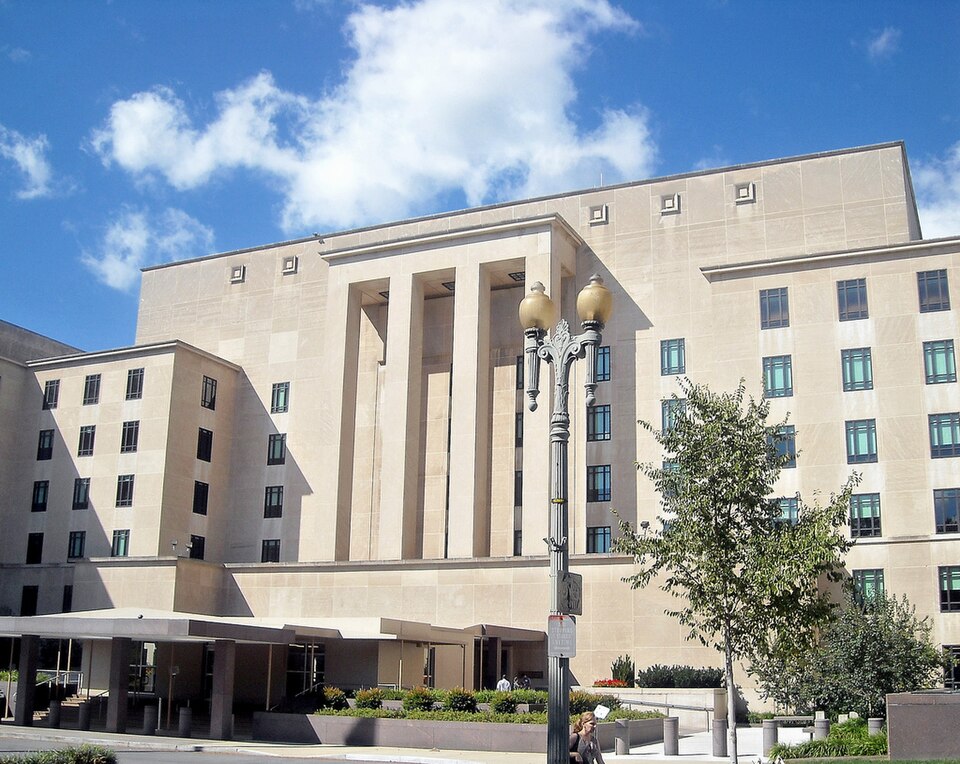
US terror designations now cover 21 criminal groups from Latin America and the Caribbean. The newest, Ecuador’s Los Tiguerones, took effect on 10 September 2026.
Where the figure of 13 comes from
A CNN Brasil article this month says Trump has “classified” 13 Latin American groups as terrorists. In Portuguese, “classifica” simply means “designates”, so this is not a secret list.
The figure of 13 is also out of date. It matches the count reached on 24 September 2025, when Barrio 18 was added.
The same CNN Brasil article goes on to name 21 groups. That matches the official record and the count reported by the Associated Press.
What the official record shows
The State Department keeps a public list of Foreign Terrorist Organizations (FTOs), with the date each designation took effect. Each one is also published in the Federal Register, the US government’s official journal.
Groups are also named Specially Designated Global Terrorists (SDGTs) under a separate presidential order. These are formal legal acts, not press reports or leaks.
Anyone can check the list on the State Department website. Treasury’s sanctions office also publishes the names on its own list of blocked parties.
The 21 groups and when they were added
The first eight took effect on 20 February 2025. They were Tren de Aragua, MS-13 and six Mexican cartels.
The Mexican cartels are Sinaloa, Jalisco New Generation (CJNG), Cárteles Unidos, the Northeast Cartel and the Gulf Cartel. La Nueva Familia Michoacana completes the six.
Haiti’s Viv Ansanm and Gran Grif followed on 5 May 2025. Ecuador’s Los Choneros and Los Lobos were added on 5 September 2025.
Barrio 18, a gang active in Guatemala and across Central America, was added on 24 September 2025. Venezuela’s Cartel de los Soles followed on 24 November 2025.
Colombia’s Clan del Golfo was added on 17 December 2025. Brazil’s Primeiro Comando da Capital (PCC) and Comando Vermelho (CV) followed on 5 June 2026.
Ecuador’s Chone Killers came on 2 July 2026. Mexico’s Juárez Cartel and Los Viagras came on 16 July 2026, and Los Tiguerones on 10 September 2026.
How US terror designations work
Rubio announced the Los Tiguerones decision on Wednesday, 9 September 2026, during a visit to Quito. The designation took legal effect when published in the Federal Register the next day.
The State Department links the group to drug trafficking and attacks on civilians, police and journalists. That includes the live takeover of an Ecuadorian television station in 2024.
Once a group is listed, its property in the United States or held by US persons is blocked. US persons are generally barred from doing business with it.
Knowingly giving material support to a listed group is also a crime under US law. The State Department says designations can help other governments’ police work too.
Brazil pushes back on the label
On 17 September 2026, Washington’s yearly report on drug-trafficking countries said Brazil had “failed to confront” the PCC and CV. Brazil itself was not put on the list of major drug countries.
The report urged Brazil to take “aggressive measures to confront and defeat them” without delay. It described both groups as a growing threat to peace and security worldwide.
On Friday, 18 September 2026, President Luiz Inácio Lula da Silva said he does not accept that the gangs are terrorists. Under Brazilian law, terrorism requires motives such as racial, ethnic or religious hatred.
Brazilian officials say the PCC and CV seek profit, not political change. That is why the two countries treat the same groups differently.
Why this matters for expats and investors
Banks that deal in dollars check payments against US sanctions lists. A payment through a US bank can be stopped, even if both sides are outside the United States.
Most everyday transfers are not affected. But a name that looks like a listed group or person can delay a payment while the bank checks it.
Companies in ports, logistics, mining and property in affected regions may face more checks on partners and suppliers. This means more paperwork and slower approvals, not a ban on business.
For people living in Brazil, the dispute between the two governments is worth watching. Further US steps against people or firms linked to the PCC or CV are possible.
What is still not known
Washington has not said whether more Latin American groups will be added this year. No further names have been announced since Los Tiguerones.
How strongly each country will act against listed groups at home is also unclear. The US listing does not give local police any new powers.
A wider use of the terror label
Before 2025, the FTO label was used mainly for groups with political aims, such as ISIS and al-Qaeda. Since February 2025, it has been applied to profit-driven gangs and cartels.
Mexico has the most groups on the list, with eight. Ecuador is next with four, all added since September 2025.
Frequently Asked Questions
Frequently Asked Questions
Is there a secret US list of 13 Latin American terrorist groups?
No. The State Department list is public. It now names 21 Latin American and Caribbean groups, not 13.
Which Brazilian groups are on the list?
The Primeiro Comando da Capital (PCC) and Comando Vermelho (CV). Both designations took effect on 5 June 2026.
Does this affect money I send to Latin America?
Usually not. Payments linked to listed groups can be blocked, and a similar name may cause short delays for checks.
Connected Coverage
Trump to Meet Venezuela’s Acting President Delcy Rodríguez
Colombia President De La Espriella Launches Iron Fist Crackdown as Investors Weigh Reforms
Sources: US State Department FTO list and press statement, 9 September 2026; Federal Register notices, February 2025 to September 2026; US drug-transit determination, September 2026; CNN Brasil; Associated Press; G1; Valor International.
This article was produced by The Rio Times’ automated newsroom system. How we use AI · Report an error
Read More from The Rio Times