Brazil Lawmaker Sees Deal in Bolsonaro Law
Brazil's Supreme Court has a date to judge a law that could shorten the sentence of a former president, and a government ally says the date is no accident.

Politics: Brazil
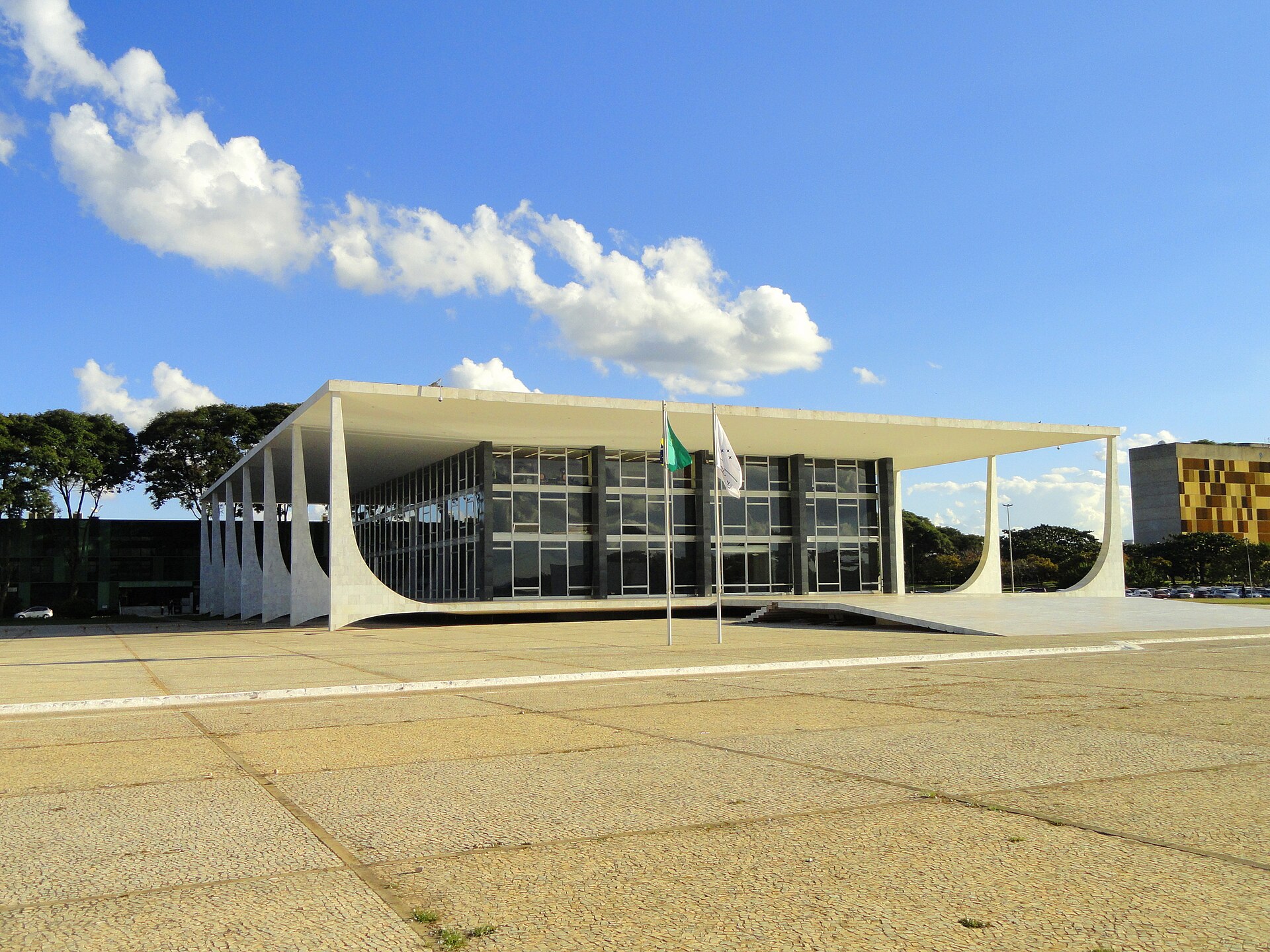
Supreme Court Justice Alexandre de Moraes on Thursday 19 November 2026 cleared for judgment the challenges to a law that cuts sentences for the 8 January 2023 rioters who stormed Brasília’s government buildings. The court will vote on it online from Friday 4 December.
On Friday 20 November, Lindbergh Farias, who leads the Workers’ Party of President Luiz Inácio Lula da Silva in the Chamber of Deputies, Brazil’s lower house, said the timing looks like a political bargain. He says the vote is part of a wider deal among Congress leaders, the court and supporters of former president Jair Bolsonaro.
Key Facts
- Who. Supreme Court Justice Alexandre de Moraes and Lindbergh Farias, Workers’ Party leader in the Chamber of Deputies.
- What. The court will judge the Dosimetria (sentence-calculation) law, which cuts sentences for the 8 January 2023 attack.
- Where. Brasília, in the Supreme Court’s online (virtual) plenary.
- When. Voting runs from Friday 4 December to Tuesday 15 December 2026.
- As of. 20 November 2026, 18:00 GMT.
Brazil’s Supreme Court has a date to judge a law that could shorten the sentence of a former president, and a government ally says the date is no accident.
The law is known in Brazil as the Lei da Dosimetria, meaning the law on how a sentence is calculated. It reduces penalties for people convicted over the 8 January 2023 attack on the capital’s government buildings, and it could help former president Jair Bolsonaro.
The Supreme Court’s First Panel, one of its two panels of justices, convicted Bolsonaro on 11 September 2025 of leading a coup plot and sentenced him to 27 years and 3 months. The court has given no figure for how much the new law would cut that term.
Congress passed the bill and President Luiz Inácio Lula da Silva vetoed it. Congress overrode the veto on 30 April 2026, and when Lula did not sign, Senate president Davi Alcolumbre promulgated (signed into force) the law on Friday 8 May 2026.
Moraes, the rapporteur (the justice who leads the case) of the actions challenging it, then suspended its application to prison sentences until the full court judges the merits. The suspension was meant to last until the full court rules.
Congress has pressed for speed. Hugo Motta, president of the Chamber of Deputies, and Alcolumbre asked Moraes on 17 November to release the cases, in a request that Congress’s leaders made together.
Court president Edson Fachin has said the plenary could judge the case this year once Moraes releases it. Moraes released the cases two days after the request.
Farias, who leads the Workers’ Party (PT) in the Chamber of Deputies, offered a different reading in a video on social media on Friday. He said it looks to him like a “global deal” (“acordo global”), struck on the eve of the votes in which each house elects its president.
He added that the Liberal Party (PL), Bolsonaro’s party, would drop the idea of impeaching, meaning removing, a Supreme Court justice, and that the court would in return approve an “unconstitutional thesis”. He accused Chamber president Hugo Motta and Senate president Davi Alcolumbre of being part of the deal, which he said also involves the court.
No official document or statement presented so far supports such an arrangement. Farias speaks for a party that backs the president and opposes the law.
Farias is a lawmaker, not a justice, and he has no vote on the law. His video turns a scheduling decision into a charge about the court’s independence.
The institutions describe the case in legal terms. Motta and Alcolumbre asked for a ruling on the law’s constitutionality, and Fachin spoke only of scheduling.
The law touches people already serving sentences for 8 January, so a ruling that lets it stand would change real prison terms. The court has not said how many people could benefit.
A ruling against the law would leave Congress to decide whether to rewrite it. A ruling in its favour would lift the suspension that Moraes ordered in May, the step that the court’s vote now decides.
The next dated step is the opening of the virtual plenary on Friday 4 December 2026. The court’s rules allow a justice to move a virtual vote to an in-person session, which would delay the result.
Because the court votes online, there is no courtroom debate to watch. Justices record their votes remotely while the session runs.
Frequently Asked Questions
What does the Dosimetria law do?
It lowers sentences for people convicted over the 8 January 2023 attack. It could also help former president Jair Bolsonaro.
Is a deal behind the vote proven?
No. The claim comes from one lawmaker who opposes the law, and the court and the Congress leaders frame the case as a question of constitutionality.
When will the court decide?
The online vote opens on 4 December and is due to close on 15 December 2026. A request by a justice to move the case to a courtroom session would delay the result.
Sources
Primary sources: Supremo Tribunal Federal (Brazil's Supreme Court), Câmara dos Deputados, Senado Federal, Presidency of the Republic (Planalto), statements by Lindbergh Farias. · Supremo Tribunal Federal · Câmara dos Deputados · Senado Federal · Planalto
In depth
This article was produced by The Rio Times’ automated AI newsroom. Editorial responsibility: Matthias Camenzind, Publisher and Editor-in-Chief. The Rio Times also runs Ask Rio Times, which answers from 100,000+ of our own articles, the daily Latin America Power Map, and prediction-market odds on elections and markets.. How we use AI · Report an error
Brazil runoff, Sunday, October 25: Brazil runoff date. Latest: Brazil runoff polls, Flávio 51%, Lula 49%.