Brazil Justice Backs Passport Ban on Senator
A Supreme Court justice says the senator's flight to the US after a passport order shows a risk to the investigation. His defence has appealed, and the other justices have yet to vote.

Politics: Brazil
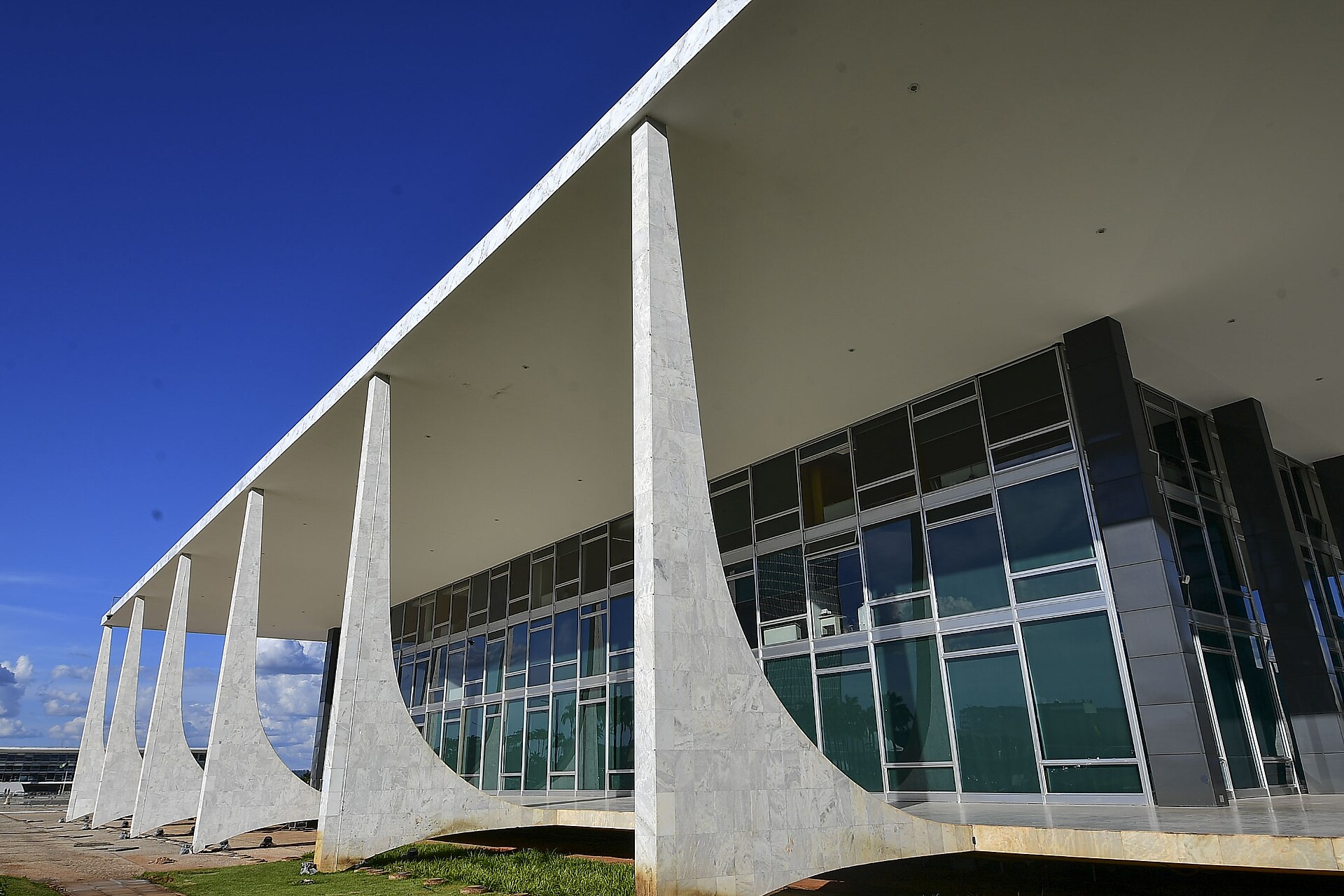
Brazil’s Supreme Court is moving to keep Senator Flávio Bolsonaro without a passport after he left for the United States. Justice Alexandre de Moraes voted on Friday 20 November 2026 to uphold the cancellation and to reject the senator’s appeal.
Flávio, the son of ex-president Jair Bolsonaro, left Brazil after an order to surrender his passports, and Moraes now says that act shows a risk to a money-laundering investigation. The other justices of the court’s First Panel, one of its two panels of justices, have yet to vote.
Key Facts
- Who. Justice Alexandre de Moraes and Senator Flávio Bolsonaro, son of ex-president Jair Bolsonaro.
- What. Moraes voted to keep the senator’s passports cancelled and a ban on contact with lawyer Willer Tomaz.
- Where. Brazil’s Supreme Court, in Brasília; the senator is in the United States.
- When. Friday 20 November 2026; panel vote due by 30 November.
- As of. 20 November 2026, 18:00 GMT.
A Supreme Court justice says the senator’s flight to the US after a passport order shows a risk to the investigation. His defence has appealed, and the other justices have yet to vote.
Flávio Bolsonaro is a senator for Rio de Janeiro and the conservative candidate who lost the 25 October presidential runoff to Lula, Brazil’s president, who won about 51.8% of the valid votes. He is also the son of former president Jair Bolsonaro, which gives any court order against him weight far beyond one case.
The investigation sits in the Supreme Court because senators have “privileged forum”, meaning only that court may investigate and try them. Investigators are examining whether lawyer Willer Tomaz used betting companies to launder money, and Flávio’s name appears in the case.
Investigators say the case runs through companies in the betting sector. Flávio denies wrongdoing and is presumed innocent.
Moraes, the rapporteur who runs the case, ordered Flávio to stay in Brazil, barred contact with Tomaz and had his passports cancelled in late October. The inquiry is still at the investigation stage.
The order, issued in late October, gave Flávio 24 hours to hand over any passports from other countries. He was notified on Monday 26 October 2026 and left Brazil around 27 October.
In his vote Moraes wrote that Flávio “evadiu-se do território nacional”, meaning he left the national territory, right after the order. The senator is now in the United States, and Moraes says this shows potential to obstruct the ongoing investigation.
On the contact ban, Moraes held that the order barring contact with Tomaz must stay. Tomaz, a lawyer, is also a suspect in the money-laundering inquiry.
The defence has appealed against the order and asks the court to overturn the passport cancellation, the travel ban and the contact ban. Moraes calls the departure a risk to the investigation, while the defence wants the restrictions lifted.
The First Panel decides this appeal and the vote is not yet complete. Each of its members can vote differently from the rapporteur.
Precautionary measures are restrictions imposed before any verdict. Moraes, as rapporteur (the justice who runs the case), ordered them, and the panel is now voting on whether they stay.
Moraes has rejected the appeal. The vote is being cast in the First Panel’s virtual plenary, where justices vote online over a set period, and it closes on 30 November.
A majority against Moraes would reverse all of it, while a majority with him makes the measures the panel’s decision. Flávio has not been convicted of anything, and the restrictions are meant to protect the inquiry, not to punish.
The ban on leaving Brazil has little immediate effect, because Flávio is already abroad. The cancelled passports and the contact ban carry the weight, since they leave him without Brazilian travel documents and cut his link to Tomaz.
A vote in Brasília does not by itself bring the senator home from the United States. The order binds Brazilian authorities, not those of the United States.
For US readers, a sitting Brazilian senator who lost a presidential runoff is now in the United States under a Brazilian court’s travel ban. His case tests how far a Brazilian court’s reach extends once a defendant is abroad.
Returning him would take a separate request to US authorities, and Moraes’s vote does not make one. The next step is the remaining First Panel votes.
Frequently Asked Questions
Can Flávio Bolsonaro be forced to return to Brazil?
Not by this vote alone. Bringing him back would take a separate legal step involving US authorities.
Is Flávio Bolsonaro charged with a crime?
He is named in a money-laundering investigation and denies wrongdoing. He is presumed innocent.
What happens if the other justices disagree?
A majority against Moraes would reverse the order. A majority with him makes the ban the panel’s decision.
Sources
Primary sources: Supreme Federal Court, Federal Senate, Superior Electoral Court · Supremo Tribunal Federal · Senado Federal · Tribunal Superior Eleitoral
This article was produced by The Rio Times’ automated AI newsroom. Editorial responsibility: Matthias Camenzind, Publisher and Editor-in-Chief. The Rio Times also runs Ask Rio Times, which answers from 100,000+ of our own articles, the daily Latin America Power Map, and prediction-market odds on elections and markets.. How we use AI · Report an error
Brazil runoff, Sunday, October 25: Brazil runoff: date, poll closing times and when results start. Latest: Brazil runoff polls, Flávio 51%, Lula 49%.