Brazilian Favela Music Project Turns 20 with Global Concert
CULTURE & COMMUNITY — RECIFE, BRAZIL
Key Facts
—The milestone. A community-based music and social inclusion project in Recife’s periphery is celebrating its 20th anniversary in 2026.
—The event. A commemorative concert titled “From the Periphery to the World” will showcase students and alumni alongside invited artists.
—The reach. Over two decades, the initiative has served thousands of young people from underserved neighbourhoods across Greater Recife.
—The model. The project combines classical and popular music training with citizenship workshops and professional development.
—The context. Recife has become a laboratory for culture-led urban regeneration, attracting attention from impact investors and multilateral funds.
A Recife social project rooted in the city’s periphery marks its 20th year with a concert that signals how community arts organisations are reshaping Brazil’s cultural and social investment landscape.
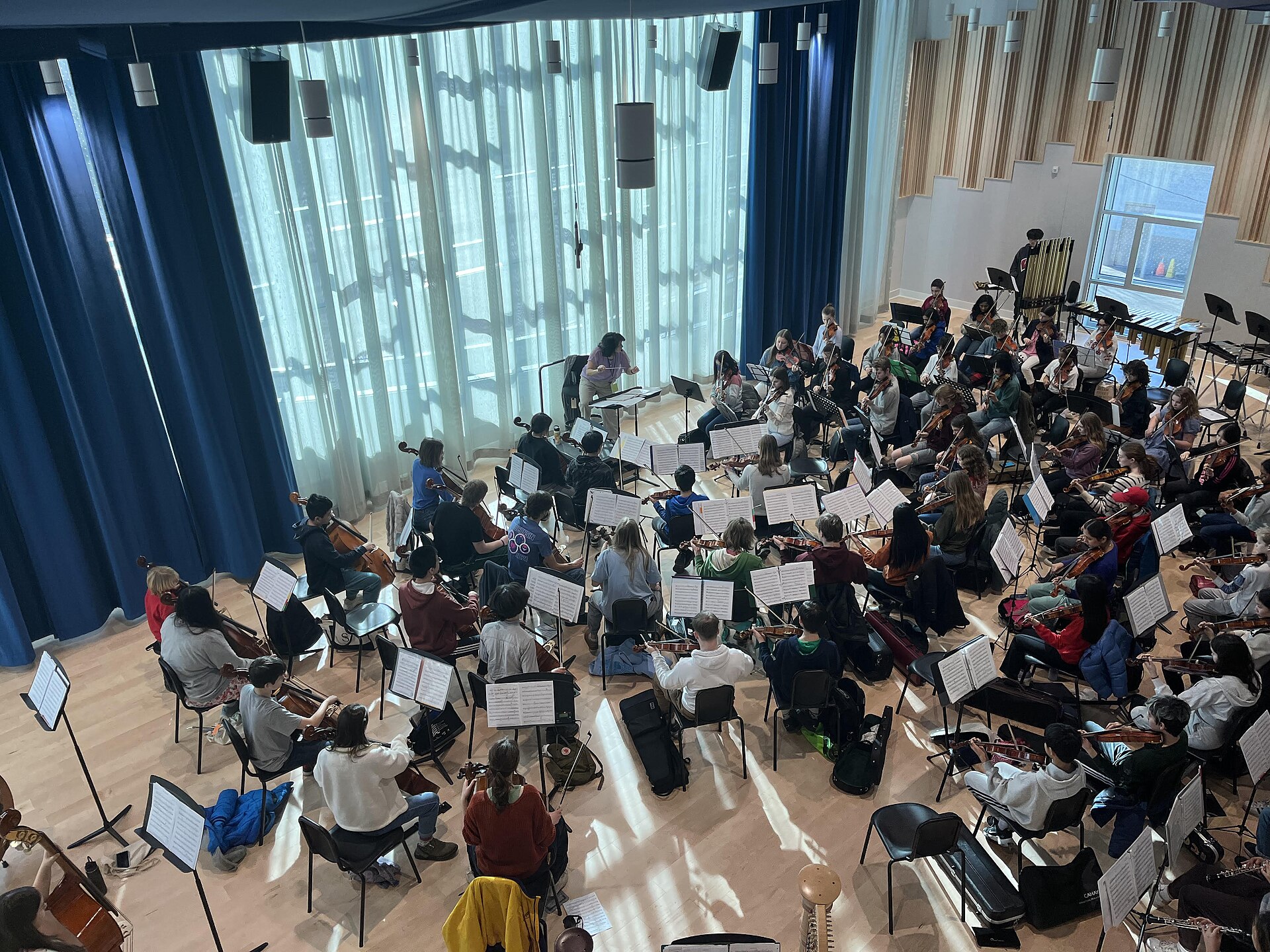
Two Decades of Music and Social Transformation
What began as a small neighbourhood initiative in one of Recife’s most vulnerable districts has grown into a benchmark for culture-led social development in Brazil’s Northeast. The project, which marks its 20th anniversary in 2026, has provided free music education to thousands of children and adolescents from communities often defined by violence and limited opportunity.
Its pedagogy blends classical orchestral training with the rich popular traditions of Pernambuco — maracatu, frevo, and coco — creating a musical vocabulary that is both rigorous and rooted. Former participants now perform in professional ensembles across Brazil and abroad, while others have become educators and community organisers themselves.
The anniversary concert, titled “From the Periphery to the World,” is both a celebration and a statement. It asserts that artistic excellence can emerge from places long dismissed by cultural elites and policy-makers alike.
Why Recife’s Cultural Ecosystem Matters to Investors
Recife has quietly become one of Latin America’s most dynamic hubs for creative-economy experimentation. The Porto Digital technology park, the annual Porto Musical conference, and a dense network of independent cultural collectives have drawn attention from development banks and impact funds seeking scalable models for urban regeneration.
Community arts projects like this one are increasingly viewed not as charity but as social infrastructure. They reduce youth violence, improve school retention, and generate economic activity in neighbourhoods where formal employment is scarce.
For international donors and impact investors, the 20-year track record offers something rare: proof of staying power. Most grassroots initiatives in Brazil do not survive a single electoral cycle, let alone two decades of political turbulence and economic shocks.
The “Periphery to the World” Model Explained
The project’s approach rests on three pillars: intensive musical training, psychosocial support, and a clear pathway to professionalisation. Students attend daily rehearsals, receive individual tutoring, and participate in citizenship workshops covering everything from financial literacy to digital media skills.
The concert programme reflects this breadth. It will feature a youth orchestra performing classical repertoire alongside traditional Pernambucan rhythms, with alumni now working as professional musicians joining as guest artists.
Organisers say the “Periphery to the World” framing is deliberate. It pushes back against narratives that treat peripheral communities as problems to be solved and instead positions them as centres of cultural production with global relevance.
What This Means for Expats and Cultural Consumers
For the growing expatriate community in Recife and across Brazil’s Northeast, events like this offer a window into a cultural scene that is far richer than the beach-and-carnival stereotypes. The city’s creative calendar now rivals those of better-known Brazilian destinations, often at a fraction of the cost.
The anniversary concert is expected to draw a diverse audience — families of participants, local cultural figures, international visitors, and representatives from foundations that have supported the project over the years. It is the kind of event where community authenticity and artistic ambition genuinely coexist.
For those considering relocation or investment in Brazil’s Northeast, the strength of Recife’s cultural fabric is an underappreciated asset. It signals a city where civil society is organised, creative, and resilient — qualities that correlate strongly with long-term urban vitality.
The Bigger Picture: Culture as Infrastructure in Latin America
Across Latin America, governments and multilateral institutions are recalibrating how they value cultural investment. The Inter-American Development Bank has expanded its creative-economy lending, while cities from Medellín to Mexico City have built global brands around culture-led renewal.
Brazil’s Northeast, long stereotyped as a region of poverty and out-migration, is increasingly seen as a source of cultural innovation with export potential. The Recife social project turning 20 is part of that story — a homegrown institution that has outlasted political cycles and economic crises.
The challenge ahead is sustainability. Public funding for culture in Brazil remains volatile, and corporate sponsorship concentrates heavily in the Southeast.
Projects like this one survive through a patchwork of grants, individual donations, and earned revenue from performances and workshops.
More: Brazil news in English, every day from The Rio Times.
Frequently Asked Questions
What is the “From the Periphery to the World” concert in Recife?
It is a commemorative concert marking the 20th anniversary of a community-based music and social inclusion project in Recife’s periphery. The event features a youth orchestra, alumni performers, and invited artists, blending classical repertoire with traditional Pernambucan rhythms.
The title reflects the project’s mission to position peripheral communities as centres of cultural production with global relevance.
How does the Recife social project support young people?
The project provides free, intensive musical training alongside psychosocial support and professional development workshops. Students attend daily rehearsals, receive individual tutoring, and participate in citizenship programmes covering financial literacy and digital skills.
Over two decades, it has served thousands of children and adolescents from underserved neighbourhoods across Greater Recife.
Why is Recife’s cultural scene attracting international attention?
Recife has developed a dense ecosystem of creative-economy initiatives, from the Porto Digital technology park to independent cultural collectives and the annual Porto Musical conference. Community arts projects with proven long-term impact are drawing interest from impact investors and multilateral development funds seeking scalable models for urban regeneration in Latin America.
This article was produced by The Rio Times’ automated newsroom system. How we use AI · Report an error
In depth
Read More from The Rio Times