Petrobras Stock Hits Record Value as Oil Prices Surge
BRAZIL · ENERGY
Key Facts
-
—
What happened Petrobras closed Tuesday at a record market value of R$692.35 billion (US$134.4 billion), the highest ever in nominal reais. -
—
Why it happened Brent crude jumped 2.9% to US$108.75 a barrel after a pipeline closure and a loading halt at Saudi Arabia’s Yanbu port. -
—
Production boost August output reached 2.92 million barrels a day, up 4% from July, led by the Búzios field. -
—
Cash returns The board approved R$17.4 billion (US$3.4 billion) in shareholder distributions, split into November and December payments. -
—
The catch The record is measured in depreciated reais; in dollars, Petrobras stays far below its 2007 peak of US$375.8 billion. -
—
What’s next Analysts are watching whether Middle East supply risks keep pushing Brent, and Petrobras, higher.
Petrobras shares hit a record close Tuesday, lifted by a fresh oil price spike and strong output.
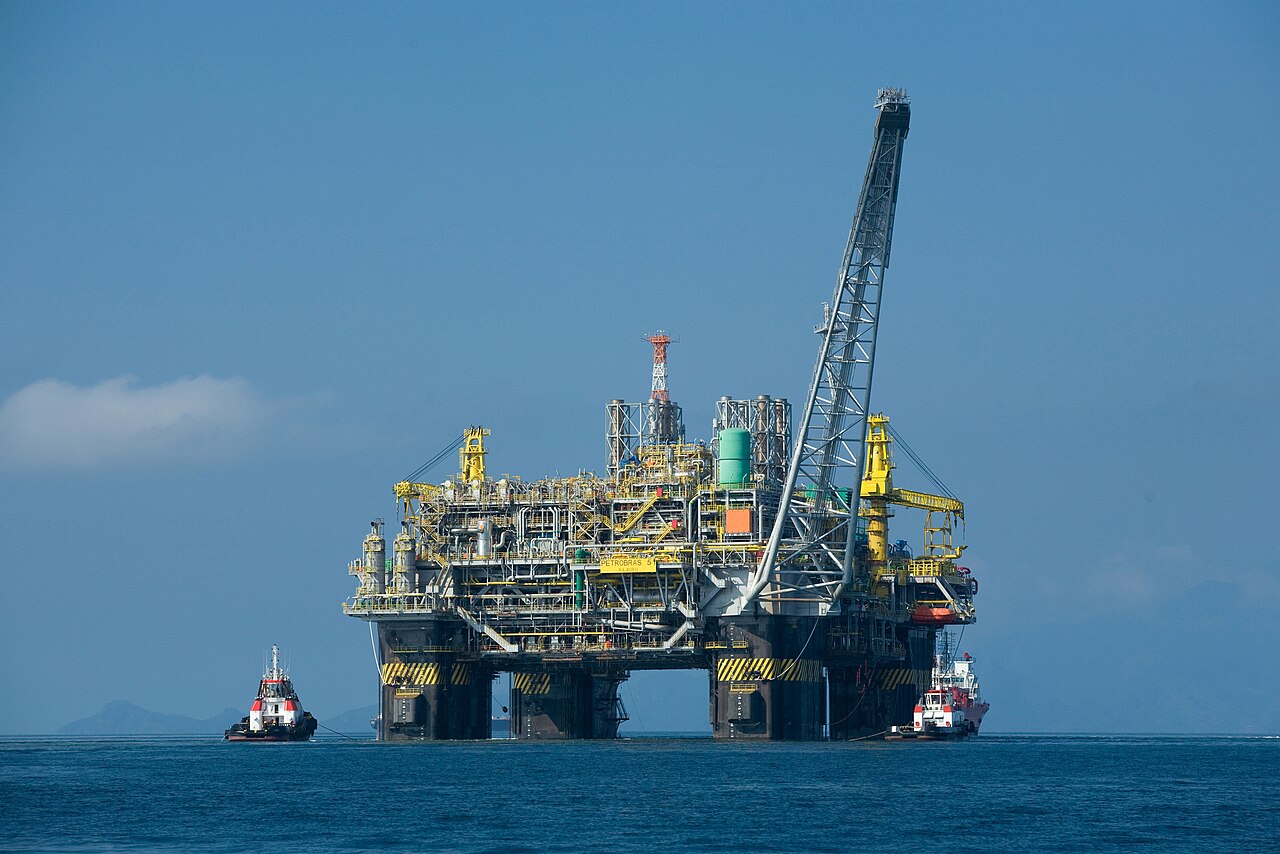
Petrobras closed Tuesday at a market value of R$692.35 billion (US$134.4 billion), its highest ever in nominal reais. The jump added roughly R$22 billion (US$4.3 billion) to the state-run oil company’s valuation in a single session.
Petrobras at a Glance
Petrobras is Brazil’s state-controlled oil company, majority owned by the federal government. Its shares trade on B3 in São Paulo and as American depositary receipts in New York.
The company runs Brazil’s largest refineries and operates most of its offshore pre-salt oil fields. Two classes of shares trade under the tickers PETR3 and PETR4 on the Brazilian exchange.
Oil Prices Do the Heavy Lifting
Brent crude jumped 2.9% to US$108.75 a barrel on the Intercontinental Exchange. Traders cited a pipeline closure and a halt to loadings at Saudi Arabia’s Yanbu port.
The disruption fed into weeks of tension across the Middle East’s main shipping routes. Brazil, a net oil exporter, benefits directly when Brent prices climb.
Live Company IntelligencePetroleo Brasileiro Petrobras SA ADR — the full investor dossier
Wall Street view
Valuation & profitability
Price & risk
$10.6552-wk high
$21.99
Revenue trend · 6y
Ownership
Dividend
A Pattern of Rising Records
The record has moved several times this month as oil prices climbed higher. On September 9, Petrobras was already worth about R$663 billion (US$128.3 billion).
That earlier high followed US military strikes on Iranian oil tankers, which pushed Brent to US$101.21 a barrel. It was the highest crude price since July 23.
Six days later, the September 15 close of R$692.35 billion topped that mark by a wide margin. Each move has tracked a fresh jolt to global oil supply.
Ibovespa Rides Along
Petrobras led gains on the Ibovespa, Brazil’s benchmark stock index, during Tuesday’s session. PETR3 shares rose 3.63% to R$56.23 (US$10.92), while PETR4 gained 3.09% to R$50.43 (US$9.79).
The stock’s heavy weighting in the index means its moves ripple across the wider market. Earlier this month, foreign inflows into Brazil-focused funds also helped push PETR4 to a nominal high.
Production Adds Fuel to the Rally
Petrobras pumped 2.92 million barrels of oil a day in August, up 4% from July. Output at the Búzios field rose 5%, while Itapu and Marlim recovered from earlier declines.
Bradesco BBI analyst Vicente Falanga called the preliminary figures encouraging for further growth. He pointed to steady gains at Brazil’s offshore pre-salt fields as the main driver.
Dividends Sweeten the Deal
Petrobras’s board also approved R$17.4 billion (US$3.4 billion) in shareholder distributions this month. That works out to about R$1.35 (US$0.26) a share, split into two payments.
The first payment lands on November 23, with the second following on December 21. Year-to-date, approved payouts total roughly R$2.05 (US$0.40) a share.
Strong Results Behind the Payout
The dividend flows from a strong quarter: net profit reached R$52.4 billion (US$10.2 billion). Adjusted EBITDA came in at R$93.8 billion (US$18.2 billion), with operating cash flow of R$61.8 billion (US$12 billion).
The results reflect higher output and elevated oil prices through the quarter. Exports also climbed, approaching 1 million barrels a day during the same period.
Latin America’s Most Valuable Company
Petrobras reclaimed the title of Latin America’s most valuable company earlier this year. In late February, it was worth US$100.9 billion, narrowly ahead of Itaú Unibanco.
Mercado Livre, the e-commerce giant, had held the regional top spot since August 2024. Petrobras has since extended its lead as oil prices kept climbing through the year.
The Real-Dollar Gap
In reais, Petrobras keeps setting nominal records as Brazil’s currency stays weak against the dollar. Measured in dollars, the company remains far below its all-time peak of US$375.8 billion, reached in 2007.
This week’s US$134.4 billion market value compares with US$100.9 billion in February, when Petrobras also led Latin America’s rankings. The climb reflects seven months of rising oil prices and steady production gains.
A Volatile Year for Oil
Petrobras has notched multiple nominal records in 2026 as conflict has repeatedly rattled oil markets. A US-Iran escalation in late February first pushed Brent above US$100 a barrel this year.
Fresh attacks on Saudi infrastructure in September reignited the same fears among traders. Each new escalation has tended to push Petrobras shares and its market value higher.
Why It Matters
Petrobras remains central to Brazil’s export earnings and to the government’s fiscal calculations for 2026. Every dollar added to Brent crude filters through to the company’s cash flow and dividends.
What Analysts Are Watching
For now, analysts are watching whether Middle East supply risks keep lifting Brent futures. A sustained rally above US$108 a barrel would likely support further gains for Petrobras shares.
The dollar closed at R$5.15 on Tuesday, the exchange rate used for conversions in this article. All figures reflect prices and disclosures reported through September 15, 2026.
This article was produced by The Rio Times’ automated newsroom system. How we use AI · Report an error
Read More from The Rio Times