Petrobras Finds Oil on Brazil’s Equatorial Margin, off the Amapá Coast
Brazil · Energy
Key Facts
- —The find On 14 August 2026, Petrobras confirmed hydrocarbons in its Morpho exploratory well, block FZA-M-59, in the Foz do Amazonas basin, its first such result off Amapá.
- —Not yet commercial The oil was spotted through electric logs and rock samples; drilling continues, and Petrobras has not said whether the volumes are worth producing.
- —Deepwater The well sits in about 2,886 metres of water, roughly 175 km off the Amapá coast and around 500 km from the mouth of the Amazon River.
- —Licensing battle IBAMA refused a permit in May 2023 and only cleared drilling on 20 October 2025, with 29 conditions and about R$39.7 million (US$7 million) in environmental compensation.
- —The prize Officials estimate the wider Equatorial Margin could hold roughly 14 billion barrels, echoing the Guyana and Suriname finds in the same geological trend.
The Morpho well struck hydrocarbons 175 km off Amapá, yet Petrobras still cannot say whether the deepwater find is worth producing. And it sits near the fragile mouth of the Amazon.
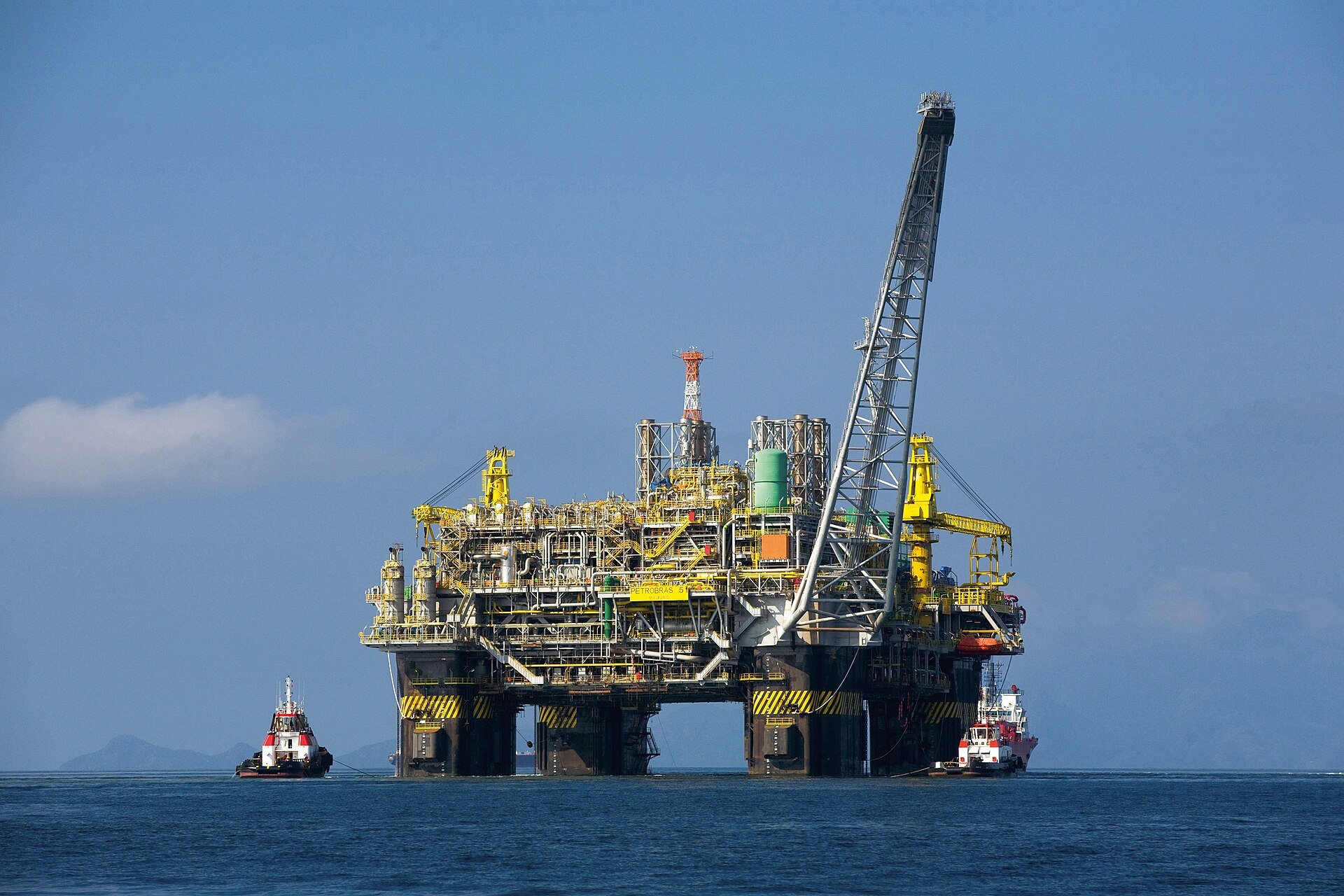
Petrobras has found oil on Brazil’s Equatorial Margin, the vast offshore frontier that runs along the country’s northern coast. On 14 August 2026 the state-controlled company said its Morpho exploratory well.
Drilled far out in the Atlantic off Amapá, had hit hydrocarbons. It is a real milestone, but not yet a payday.
Because Petrobras still does not know whether there is enough oil to produce for profit.
What Petrobras found on the Equatorial Margin
The news came on 14 August 2026. Petrobras said its Morpho well, in block FZA-M-59 in the Foz do Amazonas basin, had struck hydrocarbons off the coast of Amapá.
In plain terms, the drill hit rock holding oil or gas. Petrobras identified it through electric logs run down the well and through rock samples brought up during drilling.
This is the first time the company has found hydrocarbons in this part of the northern coast. As a result, a frontier that Brazil has argued over for years suddenly looks real.
Why a ‘discovery’ is not the same as a payday
Here is the crucial caveat. Finding oil signals in a well is not the same as declaring a commercial discovery.
And Petrobras has been careful about the difference. The company said drilling is still going on so it can measure how much oil or gas is there.
Only later will it know whether the volumes are large enough to produce and sell at a profit. So this is best read as strong early evidence, not proof of a giant field.
Still, for an untested frontier, even hydrocarbon shows are a big deal.
Live Company IntelligencePetroleo Brasileiro Petrobras SA ADR — the full investor dossier
Wall Street view
Valuation & profitability
Price & risk
$10.6552-wk high
$21.99
Revenue trend · 6y
Ownership
Dividend
A deepwater well far out in the Atlantic
The Morpho well is a serious piece of engineering. It sits in about 2,886 metres of water.
So the drilling happens under nearly three kilometres of ocean before the rock even begins. It lies roughly 175 kilometres off the Amapá coast.
Despite the basin’s name, it is around 500 kilometres from the actual mouth of the Amazon River, not right at it. Petrobras had signalled for months that it hoped to finish this first well around August.
In the event, the hydrocarbon result landed almost exactly on schedule.
The long licensing battle with IBAMA
Getting here was not quick. In May 2023 Brazil’s environmental regulator, IBAMA, refused Petrobras a drilling permit, citing weak spill plans and high socio-environmental risk.
The block stayed frozen for more than two years while the government and the company pushed back. Finally, on 20 October 2025, IBAMA granted an operating licence for a single exploratory well.
That approval came with strings attached. It carried 29 specific conditions and about R$39.7 million.
Near US$7 million at roughly 5.5 reais to the dollar in August 2026, in environmental compensation.
Why the Amazon coast makes this so sensitive
The location is the heart of the controversy. The waters off Amapá are classed in Brazil’s official spill-sensitivity maps as being at maximum vulnerability to an oil leak.
Nearby lie mangroves, coral reef systems, the Cabo Orange National Park, and dozens of conservation units. Indigenous and quilombola communities also depend on this stretch of coast.
For that reason, federal prosecutors and environmental groups fought the licence hard. They warned that a major spill in these currents could cause damage that is effectively impossible to undo.
How Petrobras and politicians reacted
Petrobras chief executive Magda Chambriard framed the result as vindication. She said the company’s optimism about the equatorial margin was confirmed.
Calling it the first discovery off the Amapá coast and a product of the firm’s competence. The push had powerful political backing.
Senate president Davi Alcolumbre, who is from Amapá, had welcomed the October licence as a historic step for Brazil’s development. President Luiz Inácio Lula da Silva had also leaned on the process.
Back in February 2025 he publicly argued that IBAMA needed to authorise the exploration so the country could find out whether the oil was there.
Why the Equatorial Margin matters so much
The stakes are national. Brazil’s pre-salt fields still pump plenty of oil, but they will not last forever.
And the government wants a new frontier to replace them. The Equatorial Margin is that hope.
It stretches from Amapá to Rio Grande do Norte and takes in five offshore basins. Of which Foz do Amazonas is the northernmost and least explored.
Estimates are only estimates, so treat them with care. Even so, official figures suggest the whole margin could hold around 14 billion barrels.
With roughly 6 billion of oil equivalent mapped in one slice of the Foz do Amazonas basin alone.
The Guyana and Suriname comparison
This is why geologists are excited. The same undersea rocks continue north into Guyana and Suriname, where huge amounts of oil have already been confirmed.
In Guyana, ExxonMobil’s Stabroek block holds an estimated 11 billion barrels of oil equivalent and is already producing. Suriname’s offshore Block 58 has added further discoveries next door.
Brazil sits on the same trend, just on the other side of the border. Consequently, Petrobras hopes the Morpho result is a first sign that its stretch works too.
What happens next
The immediate job is data. Petrobras will keep drilling and testing Morpho to gauge the size and quality of what it has found before deciding on any next steps.
Meanwhile, the wider frontier is opening up. Brazil is preparing an auction of dozens of blocks on the Equatorial Margin.
And a positive early result here will only sharpen bidder interest. For now, though, the honest summary is simple.
Brazil has promising oil signals off the Amazon coast, a fierce environmental debate, and no confirmed commercial field yet.
Background: Braskem Bond Tender Rejected Amid $9.4B Debt Crisis.
Background: Petrobras P-32 Recycling Yields 44,000 Tonnes of Steel.
More: Brazil news in English, every day from The Rio Times.
Frequently Asked Questions
Did Petrobras make a commercial oil discovery on the Equatorial Margin?
Not yet. On 14 August 2026 Petrobras confirmed hydrocarbons in the Morpho well.
Where exactly is the Morpho well?
It is in block FZA-M-59 in the Foz do Amazonas basin. About 175 km off the coast of Amapá in northern Brazil, in roughly 2,886 metres of water.
Why is drilling here so controversial?
The area sits near the Amazon river mouth and is rated at maximum vulnerability to oil spills. With mangroves, reefs, a national park, and Indigenous and quilombola communities nearby.
How does this compare with Guyana and Suriname?
Brazil’s Equatorial Margin lies on the same geological trend as Guyana’s Stabroek block and Suriname’s Block 58. Where billions of barrels have already been confirmed.
Connected Coverage
Sources: g1/Globo; UOL Economia; Reuters; Agência Brasil; InfoAmazônia; O Globo.
This article was produced by The Rio Times’ automated newsroom system. How we use AI · Report an error
Read More from The Rio Times