Braskem Bond Tender Rejected Amid $9.4B Debt Crisis
Brazil · Companies
Key Facts
—Total gross debt. Approximately US$9.4 billion (R$48.6 billion).
—Court shield. A São Paulo court granted Braskem a 60-day protection period on June 26, 2026, freezing creditor seizures.
—Missed payments. Braskem plans to skip roughly US$141 million in July interest and US$36 million in August interest on its bonds.
—Ownership structure. Private equity firm IG4 Capital controls about 50.1% of voting shares, while Petrobras holds a 36.1% stake.
—Debt ratio. Braskem’s debt-to-earnings ratio stood at 14.74 times, far above the 3.0 times considered healthy.
The Braskem bond tender and exchange offer has been rejected by creditors, escalating a capital power struggle and intensifying demands for Brazil’s state oil firm Petrobras to step in with fresh money.
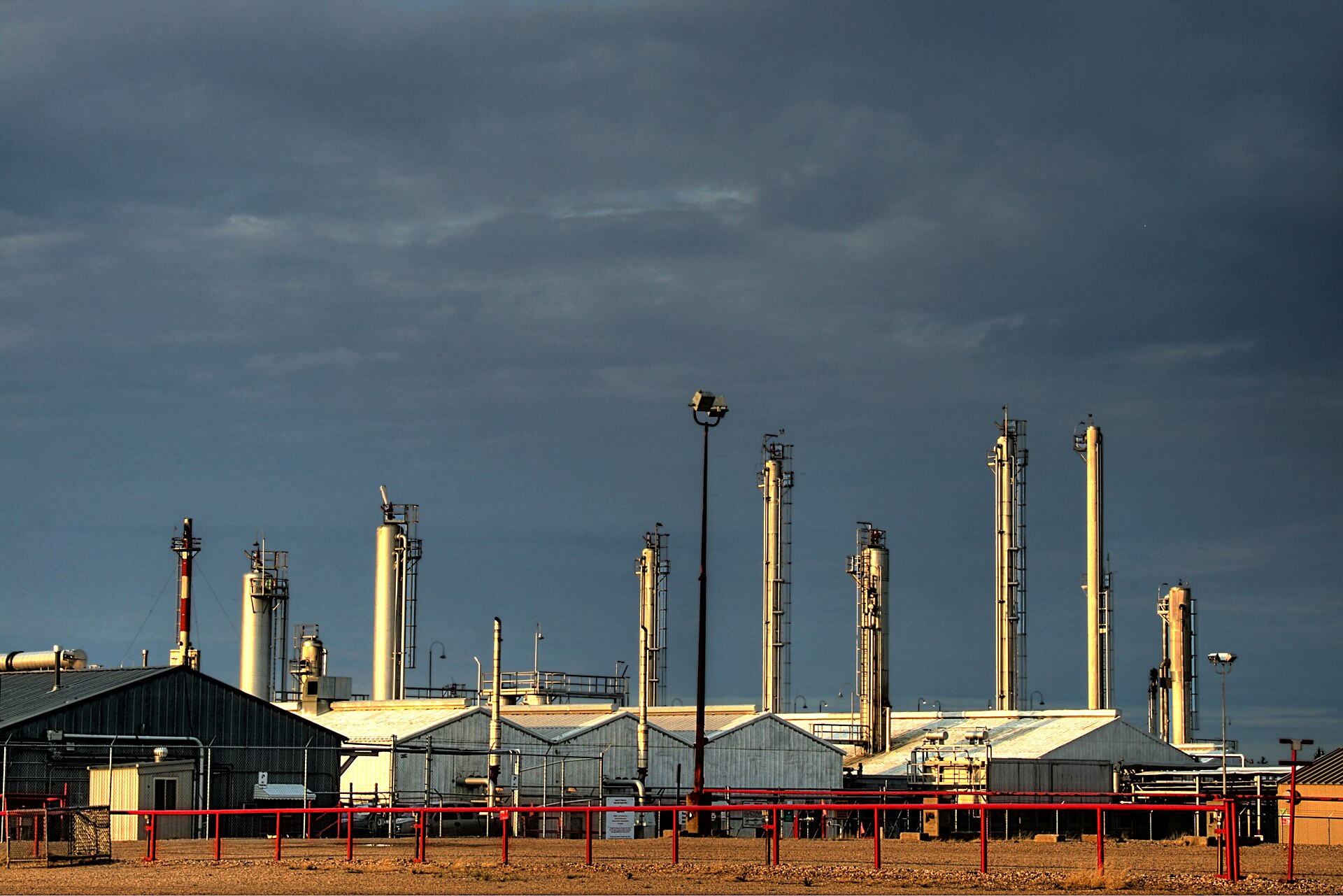
Creditors Reject Braskem Bond Tender, Demand Petrobras Rescue
Creditors resisted the restructuring plan, citing unequal treatment and a lack of new capital injection from shareholders. They have not yet provided the one-third support required for an out-of-court deal.
The rejection puts direct pressure on Petrobras, which holds a 36.1% stake in the Americas’ largest petrochemical maker. Creditors are explicitly demanding the state-controlled oil giant intervene financially.
Petrobras Refuses to Inject Capital
Despite the creditor push, a source close to the negotiations stated Petrobras is not expected to make a direct contribution or provide assets as collateral. Petrobras CEO Magda Chambriard currently chairs Braskem’s board.
The company is jointly controlled by private equity firm IG4 Capital, which holds roughly 50.1% of voting shares, and Petrobras. Neither controller has signaled plans to inject fresh equity.
Live Company IntelligenceBraskem S.A. — the full investor dossier
Valuation & profitability
Price & risk
$4.8752-wk high
$12.00
Revenue trend · 6y
Ownership
Dividend
Court Shield Buys Time as Payments Are Skipped
A São Paulo court granted Braskem a 60-day protection shield on June 26, 2026, pausing enforcement actions and seizures by financial creditors. The company used this window to pursue an out-of-court restructuring.
Braskem confirmed it does not intend to make approximately US$141 million in July interest payments or US$36 million in August interest payments on its foreign bonds. Total gross debt stands at roughly US$9.4 billion.
Background: A Giant Under Pressure
Braskem is the largest petrochemical producer in the Americas and a key supplier of resins used in plastics, construction, and automotive industries across Latin America. Its financial troubles stem from a combination of high global interest rates, compressed petrochemical margins, and legacy liabilities.
The company’s debt-to-earnings ratio of 14.74 times is far above the 3.0 times benchmark that analysts consider healthy for industrial firms. This metric alone explains why creditors are skeptical that Braskem can recover without fresh outside capital.
What It Means for Expats and Investors
For foreign investors holding Braskem bonds, the rejected tender means continued uncertainty and potential losses if a judicial reorganization proceeds. Bondholders face a prolonged negotiation with no guarantee of recovering face value.
Expats and tourists in Brazil are unlikely to feel direct effects, but a major corporate collapse could ripple through the broader economy. A distressed Braskem may also pressure the Brazilian real and dampen investor sentiment toward other Brazilian corporate debt.
What Comes Next
The deadline for Braskem to file an out-of-court restructuring has passed without the required creditor consensus. If negotiations continue to stall, a formal judicial reorganization is not being discarded.
The company’s debt-to-earnings ratio of 14.74 times underscores the severity of its financial distress. Without a capital injection or successful restructuring, Braskem faces mounting legal and financial pressure.
For foreign readers, Braskem is controlled by the holding company Novonor (formerly Odebrecht) alongside state-run Petrobras, which holds a large minority stake. That ownership structure is central to the current standoff.
Creditors see Petrobras as the deep-pocketed partner best placed to backstop the company. Petrobras, however, has repeatedly said it will not inject fresh money into Braskem.
The dispute matters beyond bondholders. Braskem is a major employer and a key supplier of plastics feedstock across the Americas, so a long fight could ripple through supply chains.
Analysts say the outcome will show how far Brazil’s markets go to protect creditors versus strategic state interests. For now, the two sides remain far apart.
More: Brazil news in English, every day from The Rio Times.
Frequently Asked Questions
What is the Braskem bond tender?
It was an exchange offer proposed by Braskem to restructure its roughly US$9.4 billion debt. The plan asked bondholders to swap existing notes for new securities, but creditors rejected the offer, demanding better terms and a capital injection from Petrobras.
Why are creditors demanding Petrobras intervene?
Creditors argue the restructuring plan treats bondholders unequally and lacks new money. Since Petrobras is a major shareholder with deep ties to the Brazilian government, creditors see it as the most viable source of rescue capital, even though the state firm has so far refused to contribute.
Will Braskem enter judicial reorganization?
The company has not ruled it out. Braskem currently has a 60-day court shield, but if it cannot gather enough creditor support for an out-of-court deal, a formal bankruptcy-like judicial reorganization remains possible. Such a process would give a judge oversight of debt negotiations.
Sources & Further Reading
This article was produced by The Rio Times’ automated newsroom system. How we use AI · Report an error · Editorial responsibility: Matthias Camenzind, Editor-in-Chief
LatAm Markets: Live Signals → — real-time movers, turnover leaders and FX across Latin America.