Company News · Brazil
Key Facts
—The platform. The P-32, a decommissioned Petrobras production platform weighing more than 44,000 tonnes, has been fully dismantled.
—The buyer. Gerdau won the platform at auction in 2023 to recover its steel; Ecovix carried out the dismantling.
—The site. Work was completed in June 2026 at the Rio Grande Shipyard in Rio Grande do Sul, freeing its dry dock.
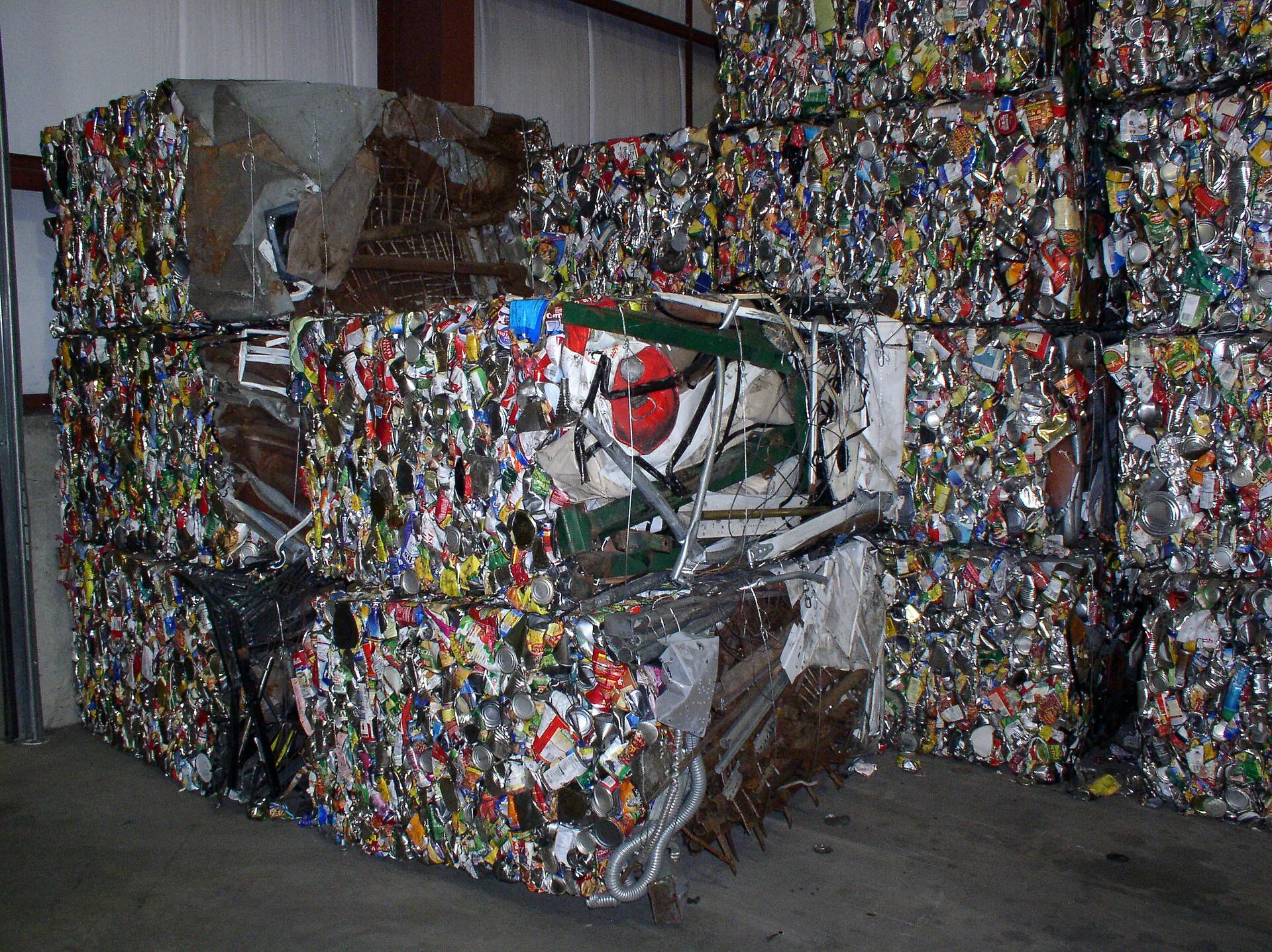
—The loop. About 90% of the structure is being reused as scrap and melted into new steel at Gerdau’s plant in Charqueadas (RS).
—Next in line. A sister platform, the P-33, was due to arrive at the same shipyard for decommissioning in July 2026.
A retired Petrobras oil platform has been cut up in Latin America’s largest dry dock and is being melted back into steel, a closed-loop feat that Brazil is billing as its first fully green offshore-platform recycling.
From Offshore Rig to Steel Coil
The P-32 spent years producing oil in Brazil’s offshore basins. Its final act is industrial reincarnation: cut apart in dock and fed back into the steel supply chain.
Gerdau bought the 44,000-tonne structure at a 2023 auction, contracting Ecovix to dismantle it. With the work finished in June 2026, the dry dock at the Rio Grande Shipyard is now clear for the next job.
For a foreign reader, it helps to understand what a production platform like the P-32 actually is. These are floating industrial complexes that drill wells, separate oil from gas and water, and temporarily store crude before it is pumped to shore or loaded onto tankers.
When a field runs dry, the platform becomes a hulking liability: it cannot simply be abandoned at sea, and towing it to a beach for informal breaking—a practice still seen in parts of South Asia—carries serious environmental and worker-safety risks. Doing the job inside a dry dock, as happened here, means the structure is contained, pollutants are captured, and the steel can be recovered cleanly.
A Closed Loop, by Design
Roughly 90% of the platform is being reused as metallic scrap and melted into new steel at Gerdau’s Charqueadas mill in Rio Grande do Sul. The remainder is routed to safe disposal, leaving almost nothing behind.
Brazil is presenting the project as its first fully green recycling of an offshore platform in a dry dock. It converts a decommissioning liability into raw material rather than waste.
The term “closed loop” is used deliberately here. In a linear economy, you extract iron ore, make steel, use it, and eventually discard it.
In a circular model, the steel is collected, melted, and re-formed into new products without losing its core properties. Because steel can be recycled infinitely without degrading, every tonne recovered from the P-32 displaces virgin raw materials and the carbon emissions that come with mining and processing them.
That is the deeper significance of this project: it is not just about clearing a dock, but about demonstrating that even the heaviest industrial infrastructure can re-enter the economy productively.
Live Company IntelligencePetróleo Brasileiro S.A. – Petrobras — the full investor dossier
Valuation & profitability
Price & risk
$29.6452-wk high
$55.36
Revenue trend · 6y
Ownership
Dividend
Why It Matters for Petrobras and Gerdau
For Petrobras, aging platforms are a growing decommissioning challenge as fields mature. Selling hulls for recycling turns a costly obligation into a cleaner, auditable exit.
For Gerdau, Latin America’s largest scrap recycler, the platform is simply high-quality feedstock. The company already turns more than 11 million tonnes of scrap into steel each year.
This alignment of interests matters beyond the two companies. Regulators and the public increasingly expect oil majors to manage the full lifecycle of their assets, not just the profitable extraction phase.
A transparent, dock-based recycling process with a clear chain of custody—from platform to mill to new steel—gives Petrobras a defensible story to tell investors and environmental watchdogs alike. For Gerdau, securing large, predictable volumes of scrap close to its mills strengthens a business model that is already built around circularity.
A Template for What’s Next
The P-33 was scheduled to follow the P-32 into the same shipyard in July 2026. If the model holds, a pipeline of retired platforms could feed the same circular process.
For Rio Grande do Sul, that means steady industrial work at a strategic shipyard. For Brazil’s energy transition, it is a concrete example of circular-economy practice at heavy-industry scale.
What to watch next is whether the P-33 job proceeds on schedule and with the same environmental controls. Another open question is how many additional platforms Petrobras will route through this shipyard rather than through other facilities or export options.
The economics will depend on global scrap steel prices, the cost of tugging massive hulls across the ocean, and the availability of dry-dock space. There is also the matter of whether Brazil can export this know-how: if the country can prove that green platform recycling is both technically sound and commercially viable, it could position itself as a regional hub for decommissioning work from other South American offshore operators.
For now, the P-32 stands as a single, completed proof point—a 44,000-tonne argument that the end of an oil platform’s life can be the start of something useful.
Background: Braskem Bond Tender Rejected Amid $9.4B Debt Crisis.
More: Brazil news in English, every day from The Rio Times.
Sources
Sources: Petrobras; Gerdau; Ecovix.
This article was drafted with automated assistance and reviewed before publication. How we use AI · Report an error · Editorial responsibility: Matthias Camenzind, Editor-in-Chief
Brazil runoff, Sunday, October 25: Brazil runoff date. Latest: Brazil runoff polls, Flávio 51%, Lula 49%.
Frequently Asked Questions
What happened to Petrobras’s P-32 platform?
The decommissioned P-32, weighing more than 44,000 tonnes, was dismantled at the Rio Grande Shipyard by June 2026, and about 90% of it is being recycled into new steel at Gerdau’s Charqueadas mill.
Who bought the P-32 and why?
Gerdau won the platform at a 2023 auction to recover its steel as scrap feedstock, and hired Ecovix to carry out the dismantling.
Is another platform being recycled?
Yes. A sister platform, the P-33, was due to arrive at the same Rio Grande Shipyard for decommissioning in July 2026.