Peru · Economy
Key Facts
- —The measure On 14 August 2026, the government announced a targeted fuel subsidy of 15% to 20%, effective the next day for three months.
- —The reach It covers diesel for freight, passenger, mototaxi and river transport, and for the first time extends to Amazon boat and mototaxi operators.
- —The trigger A regional strike in Ucayali, begun on 10 August, choked Pucallpa until only 1.5 to 3 days of fuel stock remained.
- —The emergency The Energy and Mines Ministry declared a one-year fuel-supply emergency in Ucayali to rebuild reserves toward seven days.
- —The backdrop Vehicle fuel prices are up 17.8% over 12 months, while the central bank holds its rate at 4.25% and watches inflation near 4%.
The measure is the first big test for President Keiko Fujimori, who took office only in late July. And it leans hardest on the Amazon regions where fuel runs shortest.
Peru’s new fuel subsidy will cut pump costs by 15% to 20% for the country’s truckers, bus lines and river boats. President Keiko Fujimori announced it on 14 August 2026, and it took effect the next day for three months.
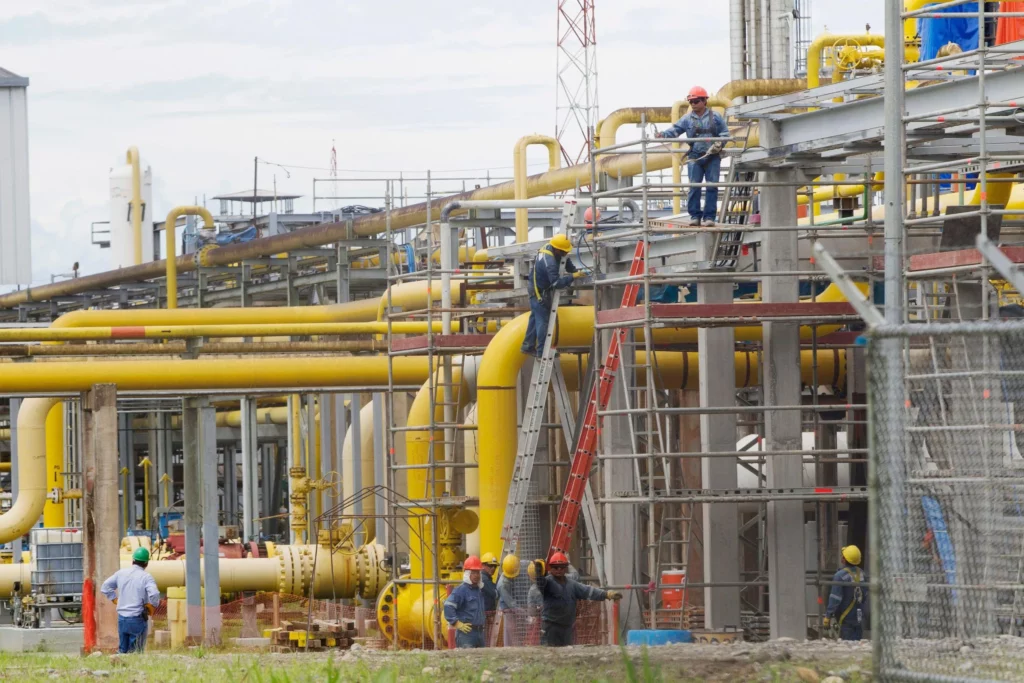
The move came as protests over soaring diesel prices shut down parts of the Amazon.
What Peru’s fuel subsidy covers
The government will shave 15% to 20% off fuel prices for the transport sector, starting 15 August 2026. It is meant as a short, temporary cushion, set to run for three months.
For the first time, the help reaches river-boat operators and mototaxi drivers in the Amazon. Those are the main ways people and goods move through the jungle regions.
Why the government acted now
For weeks, diesel prices had climbed, driven by higher global oil costs and shipping disruptions. Because a hauler runs on diesel, it is the line between a paying trip and a loss.
So transport groups took to the streets. Their pressure, especially in the Amazon, pushed the government to move fast on relief.
The strike that lit the fuse in Ucayali
On 10 August 2026, a regional strike began in Ucayali, led by the Frente de Defensa and local transport groups. Roadblocks went up and fuel stations shut their pumps.
Meanwhile, in Pucallpa, the regional capital, the squeeze grew severe. As a result, officials said the city had only 1.5 to 3 days of fuel left in stock.
A one-year emergency on fuel supply
As the shortage bit, the Energy and Mines Ministry stepped in. Through Ministerial Resolution 352-2026-MINEM/DM, it declared a fuel-supply emergency in Ucayali for up to one year.
The order lets operators use extra tanks to store diesel and gasoline. The aim is to lift local reserves from a few days toward a safer seven-day buffer.
How the Pucallpa strike ended
After five tense days, an agreement was signed around 14 August 2026. Ucayali’s regional governor, Manuel Gambini, said the strike was over and blockades would come down.
The deal tied the peace to the new subsidy and to firmer fuel supply. Even so, some groups kept protesting, so the calm was real but not complete.
The pressure was not only regional. On 14 August 2026, national transport guilds representing hundreds of associations gave the government a 48-hour ultimatum over fuel prices and extortion, warning of protests across the country if their demands went unmet.
Diesel sits at the center
In short, the relief is built mostly around diesel, the fuel that powers trucks, buses and boats. That focus matters because freight costs ripple into the price of almost everything.
Economy Minister Elmer Cuba said the help would apply nationwide to diesel used in mass transport. Coverage for lighter vehicles and mototaxis would follow in stages.
The inflation problem behind it all
Fuel has become a stubborn driver of Peru’s cost of living. Vehicle fuel prices rose 17.8% over the past 12 months, squeezing households and carriers alike.
Overall inflation sat near 4% in mid-2026, just above the central bank’s 1% to 3% target. Transport costs are a big reason it has stayed sticky.
What the central bank is watching
The Banco Central de Reserva has kept its key interest rate at 4.25% for months. It is weighing whether the fuel shock is a passing bump or a lasting threat.
For now, the bank expects prices to ease back toward 2% if oil pressures fade. But it has signaled it will act if the fuel-driven rise proves stubborn.
A new president under early pressure
Keiko Fujimori took office only in late July 2026, so this is one of her first crises. The fuel revolt has quickly become an early test of her government.
She announced the subsidy in Lima alongside Economy Minister Elmer Cuba. A special cabinet session was set to formally approve the spending.
What it means for daily life
In the Amazon, boats and mototaxis carry people, food and medicine every day. Cheaper diesel should ease those costs, at least while the subsidy lasts.
The bigger question is what happens after three months. If global oil stays high, the same pressures could return once the relief ends.
More: Peru news in English, every day from The Rio Times.
Frequently Asked Questions
How big is Peru’s fuel subsidy and how long will it last?
The subsidy cuts fuel prices by 15% to 20% for transport operators. It took effect on 15 August 2026 and is set to run for three months as a temporary measure.
Who benefits from the subsidy?
It targets diesel for freight and passenger transport. And for the first time reaches river-boat operators and mototaxi drivers in the Amazon regions.
Why did the Ucayali strike happen?
Transport groups in Ucayali struck on 10 August 2026 over sharply higher fuel prices. Pucallpa was left with only 1.5 to 3 days of fuel stock before the government stepped in.
What is the central bank doing about it?
The Banco Central de Reserva has held its key rate at 4.25% and is watching inflation. Which sat near 4% while vehicle fuel prices jumped 17.8% over 12 months.
Connected Coverage
Sources: Reuters; EFE; Andina; Infobae; La Republica; RPP.
This article was produced by The Rio Times’ automated AI newsroom. Editorial responsibility: Matthias Camenzind, Publisher and Editor-in-Chief. The Rio Times also runs Ask Rio Times, which answers from 100,000+ of our own articles, the daily Latin America Power Map, and prediction-market odds on elections and markets.. How we use AI · Report an error