Fuel Prices Spark a Wave of Transport Strikes Across Peru
Peru · Economy
Key Facts
- Strike wave Transport unions in Ucayali, Tacna, and Loreto staged stoppages in August 2026 over rising fuel prices.
- Ucayali paro Carriers and hauliers began an indefinite strike on August 10, 2026, citing higher fuel costs.
- Tacna halt A 48-hour stoppage in Tacna led the regional education authority to suspend in-person classes temporarily.
- Loreto action Transport groups in Loreto/Iquitos also announced a stoppage tied to the same fuel-price issue.
- Petroperú response The state oil company said prices track international benchmarks, which rose on Middle East conflict and shipping disruptions.
- Supply assurance Petroperú stated it had sufficient fuel stock in plant and in transit, with dispatch from its Pucallpa plant continuing.
The strikes are less about Petroperú’s balance sheet and more about who bears the cost of a volatile global oil market. The question is whether Peru’s regions, far from Lima, get caught in the crossfire of price spikes and supply-chain snarls.
If you live in Peru, or you’re watching from abroad as an investor or expat, these strikes are a reminder. Fuel prices don’t just move numbers on a screen.
They stop buses, close schools, and pressure everything from food delivery to mining logistics. You don’t need to drive a truck to feel the ripple effects.
You just need to buy groceries, book a flight, or check the cost of shipping goods out of the country.
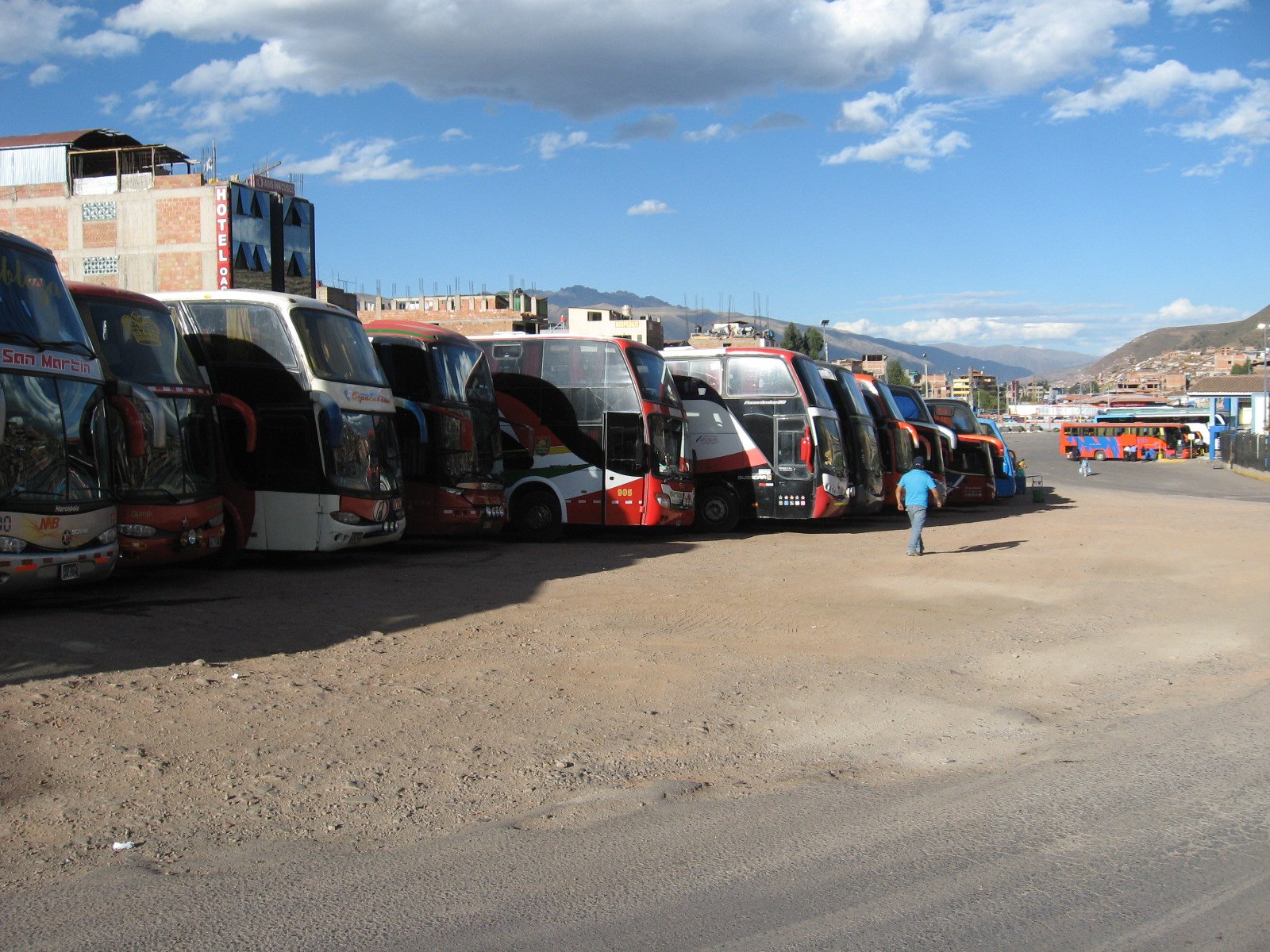
Why Peru’s Transport Strikes Hit So Hard
Peru’s transport strikes in August 2026 were not a single, coordinated national shutdown. They were a series of regional actions.
These included an indefinite paro in Ucayali from August 10, a 48-hour stoppage in Tacna, and another halt in Loreto/Iquitos. They shared one central demand: government action to curb fuel-price increases.
For carriers and hauliers, diesel is not an optional expense. It’s the difference between a paying route and a money-losing one.
The timing matters. These strikes came after weeks of rising international oil prices.
The conflict in the Middle East and disruptions in shipping routes drove those increases. That’s not a Peru-specific problem.
It becomes one when local transport operators feel they have no buffer. In Ucayali, the stoppage was called specifically because of higher fuel costs.
In Tacna, the regional education authority suspended in-person classes temporarily. That shows how disruptive a transport halt can be for daily life, not just commerce.
Petroperú’s Position: Prices Follow the Market
Petroperú, the state oil company, responded to the strikes with a clear message. Its fuel prices track international benchmarks.
In recent weeks, those benchmarks rose due to the Middle East conflict and shipping route disruptions. That’s not a justification or an excuse.
It’s an explanation of how pricing works when a country imports a significant share of its fuel. It also applies when a country refines from crude priced on global markets.
The company also sought to calm fears about supply. Petroperú said it had sufficient stock in plant and in transit.
It added that dispatch from its Planta de Ventas Pucallpa would continue. That’s a practical reassurance.
Even if prices are higher, the fuel should be there. But for a trucker in Ucayali, the issue wasn’t availability.
It was affordability. A full tank at a higher price eats into margins.
When margins vanish, so does the willingness to drive.
What the Regional Stoppages Tell You About Peru’s Fragility
The Tacna stoppage is a useful case study. A 48-hour halt in transport over fuel prices led the regional education authority to suspend in-person classes temporarily.
That’s not a small consequence. Parents had to adjust schedules.
Kids lost school days. The local economy absorbed another hit.
It also shows how quickly a fuel-price dispute can escalate into broader social disruption.
In Loreto/Iquitos, the announcement of a stoppage over the same issue suggests the problem is not isolated. It affects one region or one type of transport.
It’s a pattern. When fuel prices rise, transport unions across Peru mobilize.
Peru’s geography is challenging. Remote regions like Ucayali and Loreto depend on river and road logistics.
So the impact of a stoppage can be outsized compared to a more connected country.
Why You Should Care About Peru’s Transport Strikes
If you’re living in Latin America or invested in the region, these strikes are a window into a broader risk. Fuel prices are a political and social flashpoint across the region, not just in Peru.
When international oil prices spike, the pain lands on transport workers first. That can happen due to conflict, shipping disruptions, or OPEC decisions.
Then it spreads to consumers, schools, and supply chains.
For investors, the signal is about cost pass-through and social stability. A transport strike can delay exports.
It can raise input costs for mining and agriculture. It can strain relations between regional governments and Lima.
For expats and nomads, the practical takeaway is simpler. If you plan to travel within Peru during high oil prices, check for regional stoppages.
A 48-hour halt in Tacna might not affect Lima. But it can disrupt bus routes to Chile and border crossings.
Petroperú’s assurance of sufficient stock is helpful. It doesn’t solve the underlying problem, though.
Peru’s fuel prices are tied to a volatile global market. Until that changes, or until the government steps in with subsidies, transport strikes will remain a recurring feature.
The cost is paid not just by truckers. It’s paid by everyone who depends on the roads, rivers, and buses they keep moving.
More: Peru news in English, every day from The Rio Times.
Frequently Asked Questions
What caused the transport strikes in Peru in August 2026?
Transport unions in Ucayali, Tacna, and Loreto staged stoppages over rising fuel prices. Carriers and hauliers said higher diesel and gasoline costs made their operations unviable.
They demanded government action to curb the increases.
Did Petroperú say it would run out of fuel?
No. Petroperú stated it had sufficient stock in plant and in transit. It added that dispatch from its Planta de Ventas Pucallpa would continue.
The company attributed price increases to international benchmarks. Those benchmarks rose due to the Middle East conflict and shipping disruptions.
How did the strikes affect daily life in the affected regions?
In Tacna, a 48-hour stoppage led the regional education authority to suspend in-person classes temporarily. In Ucayali and Loreto/Iquitos, the stoppages disrupted transport services.
That can affect food delivery, public transit, and commercial logistics in those regions.
Connected Coverage
Sources: Petroperú; Inforegión; Infobae Perú, August 2026.
This article was produced by The Rio Times’ automated newsroom system. How we use AI · Report an error
Read More from The Rio Times