Rio Times · Peru
Key Facts
—The number Consumer prices in Lima rose 0.29% in July and 4.07% over twelve months, up from 4.01% in the year to June. Nationally the annual rate was 3.70%.
—Above target The central bank aims for 1% to 3%. Inflation has been above that range for months.
—What pushed it up Food and non-alcoholic drinks rose 0.67% in the month, transport 0.20% and restaurants and hotels 0.18%.
—The contradiction Vehicle fuel prices fell 4.4% in July, yet transport is still the biggest annual driver at 14.30%.
—Why transport still rose Holiday travel. Domestic air fares jumped 15.5% and interprovincial bus tickets 18.7% over the Fiestas Patrias break. Local fares in Lima rose 0.1% on the month, but are up 18.98% over a year.
—Rates The reference rate is 4.25%. The central bank’s next decision is on 13 August 2026.
Peru’s inflation edged up again in July, to 4.07% over twelve months. The odd part is what is driving it: fuel got noticeably cheaper during the month, and transport is still by far the biggest reason prices sit above target.
The figures landed four days into a new presidency and twelve days before the central bank decides on interest rates.
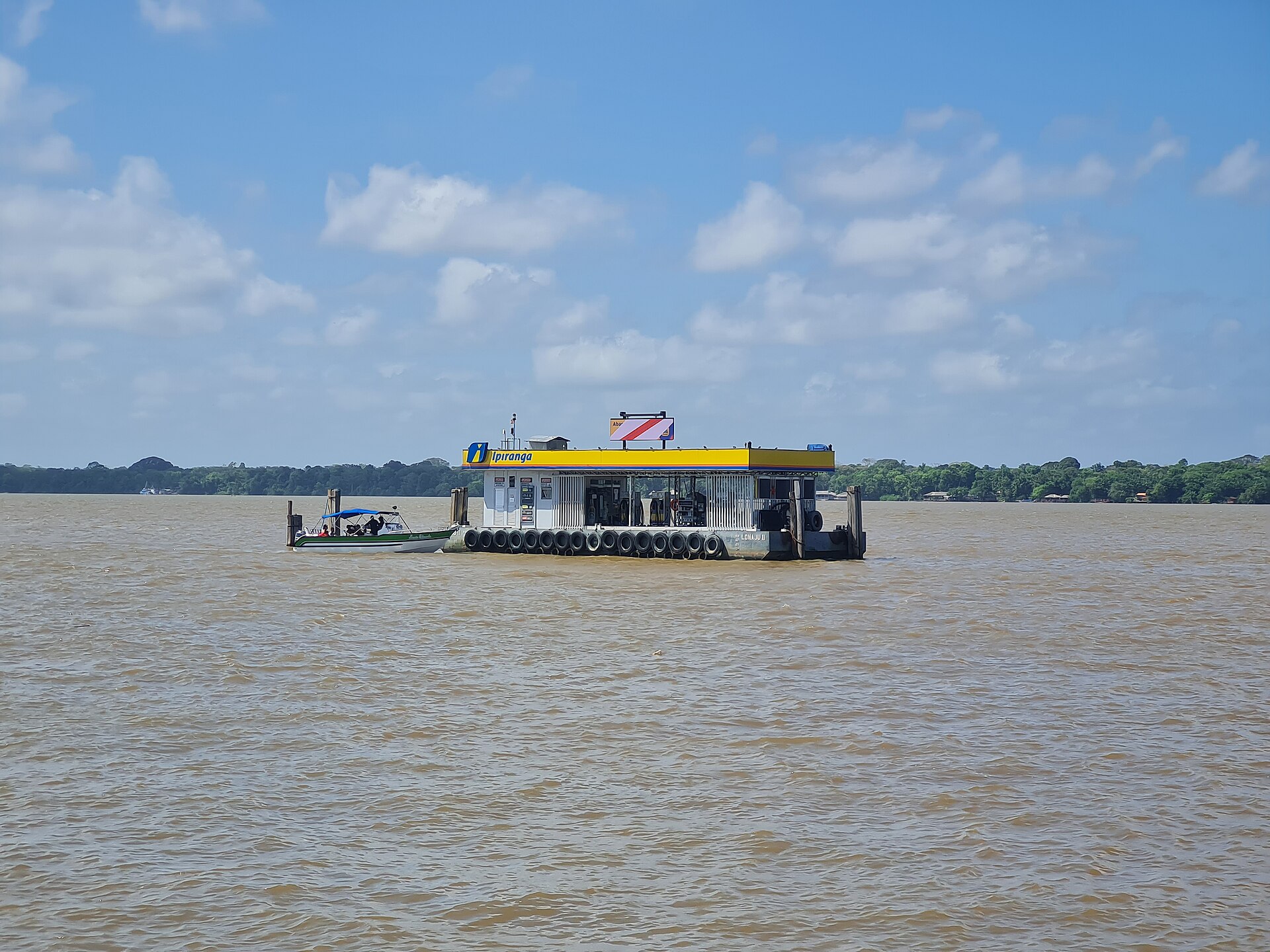
Prices rose 0.29% in July, and 4.07% over the year
Peru’s national statistics institute, INEI, published its July price report on 1 August 2026. The headline figures cover Lima, the index the central bank uses to judge whether it is hitting its inflation target.
Prices in the capital rose 0.29% against June, taking the twelve-month rate to 4.07%, up from 4.01% in the year to June. Accumulated inflation for January to July is 4.09%, against 3.79% for the first six months.
Nationally, prices rose 0.30% in the month and 3.70% over twelve months.
Food and non-alcoholic drinks were the largest single contributor, up 0.67% in the month. Transport rose 0.20% and restaurants and hotels 0.18%.
Between them those three divisions accounted for 0.22 of the 0.29 percentage points.
Household goods rose 0.44%, communications 0.25%, miscellaneous goods and services 0.24%, recreation and culture 0.22%, and clothing and footwear 0.21%.
Not everything went up. Housing, water, electricity and gas fell 0.12%, after domestic propane dropped 1.1% and residential electricity 0.3% under a new tariff schedule that took effect on 4 July.
Of the 586 products INEI tracks, 325 rose, 117 fell and 144 did not move.
Cheaper fuel, dearer travel
The interesting part of this release is a contradiction inside it. Drivers in Lima paid less at the pump in July.
Vehicle fuel prices fell 4.4% as a group: gasohol – the petrol-and-ethanol blend sold at almost every Peruvian pump – dropped 4.8%, vehicle LPG 4.1%, diesel 1.5% and compressed natural gas 0.1%.
Transport still rose on the month, and not because of fuel. Domestic air fares jumped 15.5% and interprovincial bus tickets 18.7% as Peruvians travelled for the Fiestas Patrias national holidays at the end of July.
Local transport fares in Lima, by contrast, rose just 0.1% on the month – though over twelve months those same road fares are up 18.98%.
Over twelve months the category is in a class of its own. Transport prices are 14.30% higher than in July 2025, far ahead of restaurants and hotels at 4.18% and food and non-alcoholic drinks at 3.46%.
The annual figure compares July 2026 with July 2025, so it still carries increases that happened earlier in the year, and one cheaper month at the pump does not undo them.
The Rio Times noted on 10 July that once transport is taken out of the core index, Peruvian inflation runs at 1.6% a year – inside the central bank’s target range, and below 2% every month since April 2025. One outsized category is holding the headline number up while the rest of the basket sits quietly where the bank wants it.
What got more expensive at the market
For households the sharpest pressure came from the food counter, and INEI set out exactly what moved. Meat prices rose 5.7%, led by whole chicken at 13.3% and chicken cuts – wings 8.5%, breast 7.9%, leg 7.1%.
Fewer birds reached distribution centres under a sanitary emergency declared over avian influenza.
Eggs rose 1.7%.
Some food went the other way. Fish and seafood fell 2.6%, fruit 2.1% and vegetables 1.0%.
Eating out cost more too, with restaurants and hotels up 0.18% on the month. INEI attributed that to specific items: hot drinks up 0.7%, pressure-fried chicken, a Peruvian fast-food staple, 0.7%, pizza 0.6%, fried rice 0.6% and grilled meat 0.5%.
The central bank meets on 13 August
Peru’s monetary authority, the Banco Central de Reserva del Perú (BCRP), aims to keep inflation between 1% and 3%. At 4.07% for the year to July, it is not accelerating, but it is not coming back into the range either.
The bank’s reference rate – its main policy rate, the one that steers what banks charge – stands at 4.25%. Its board meets next on 13 August 2026.
It will have the core figure in front of it. Core inflation, the measure that strips out volatile food and energy prices, rose 0.28% in Lima in July, well up on June’s 0.08%.
On a twelve-month basis the June reading was 4.5%, also above the target range.
A new government, four days old
The figures landed during an unusual political moment. Keiko Fujimori was sworn in as President of Peru on 28 July 2026, four days before INEI published them. She won a very tight runoff on 7 June by 49,641 votes, roughly 50.1% to 49.9%.
The prices measured in July were set across the whole month, most of them before the new government existed. Nothing in this release can fairly be read as a verdict on it.
What the release does do is hand the incoming administration a clear picture of the problem it inherits: an inflation rate that is not running away, but that has sat above the target band long enough to stop being temporary, and that is being held up by a single category.
What it means if you live there or send money there
For anyone earning abroad and spending in Peru, an inflation rate near 4% is manageable. The practical warning is narrower: it is getting around that has become expensive.
Transport as a whole costs 14.30% more than a year ago, and road passenger fares – a group that is overwhelmingly the everyday buses and minibuses of Lima – are up 18.98% over the same twelve months.
July’s flat local fare, up just 0.1%, was one quiet month inside a year of steep rises, not a reprieve. Budget for the daily commute as well as for the trip between cities.
For anyone holding Peruvian soles – the sol is Peru’s currency – the central bank meets on 13 August. Its rate is 4.25% and inflation is 4.07%, so a sol deposit is barely keeping pace with prices.
That is the calculation the board has to make.
More: Latin America news in English, every day from The Rio Times.
Frequently Asked Questions
What is Peru’s inflation rate right now?
Consumer prices in Lima, the index the central bank uses to judge its target, rose 4.07% in the twelve months to July 2026, up from 4.01% in the year to June. The monthly rise was 0.29%.
Nationally the annual rate was 3.70%.
Why is Peru’s inflation above target if fuel is getting cheaper?
Fuel did get cheaper in July: vehicle fuels fell 4.4% as a group, with gasohol down 4.8% and diesel down 1.5%. But transport still rose, because domestic air fares climbed 15.5% and interprovincial bus tickets 18.7% over the national holidays.
Over twelve months transport is 14.30% more expensive, the largest rise of any category.
When does Peru’s central bank next set interest rates?
The Banco Central de Reserva del Peru holds its next monetary policy meeting on 13 August 2026. Its reference rate is currently 4.25%, and its inflation target is a range of 1% to 3%.
Sources: INEI – Informe de Precios N° 8, July 2026 data, Banco Central de Reserva del Perú, Rio Times – Peru’s inflation without fuel and transport
Connected Coverage
Colombia’s Vehicle Import Numbers Don’t Add Up, and the Currency Only Explains Part of It
This article was produced by The Rio Times’ automated newsroom system. How we use AI · Report an error
Read More from The Rio Times