
PERU · ENERGY
Peru’s investment-promotion agency has inspected a state-owned fuel terminal as it looks for private money to help run it. A technical team from ProInversión visited the Pisco terminal in the Ica region, a southern Peruvian region, with Petroperú staff, the agency said on Wednesday 18 November 2026.
Petroperú is Peru’s state oil company, and under the proposal it keeps ownership of the terminal. The visit follows the restructuring set up by the December 2025 emergency decree, and it shows US readers how Lima plans to repair a state company: by adding private managers, not by selling it.
Key Facts
- The visit On 18 November, ProInversión, Peru’s investment-promotion agency, said it inspected the Pisco fuel terminal.
- The site The Ica-region terminal in southern Peru holds about 300,000 barrels of fuel.
- The idea Private capital would fund upgrades and management; Petroperú, the state oil company, keeps ownership.
- The law Emergency Decree 010-2025 put ProInversión in charge of restructuring Petroperú.
- Power Index Peru ranks 5th of 14 in The Rio Times Latin America Power Index, with 53.9 points (November 2026 edition).
Peru wants private companies to help run a state fuel depot, while the state keeps the title.
Big Picture: A Rescue Built on Private Management
The road to Pisco starts with Emergency Decree 010-2025, published on 31 December 2025, which gave ProInversión the task of restructuring Petroperú. In 2026 the agency began offering a package of Petroperú properties and plots, which it calls non-strategic assets, its label for holdings it treats separately from the strategic ones.
Ángel Delgado, director of ProInversión’s Petroperú restructuring project, said on 7 January 2026 that the plan completely rules out privatisation. He said the aim is to restore the company’s value through a reorganisation, with private investors taking on management risk instead of citizens’ money.
ProInversión approved a framework promotion plan for Petroperú in February 2026, and plans for individual asset blocks were to follow. Delgado presented a calendar to the lower house’s energy and mining committee that scheduled approval of the plan for the southern terminals (Pisco, Mollendo and Ilo) for 2 October 2026, and we could not confirm that it happened.
The visit of 18 November is an assessment, not a tender, and we found no tender date for Pisco. The only related date we found is that 2 October approval target.
The public record we could open does not compare Petroperú’s terminals with those of other Latin American state oil companies. We therefore make no regional ranking.
What We Know About the Pisco Terminal
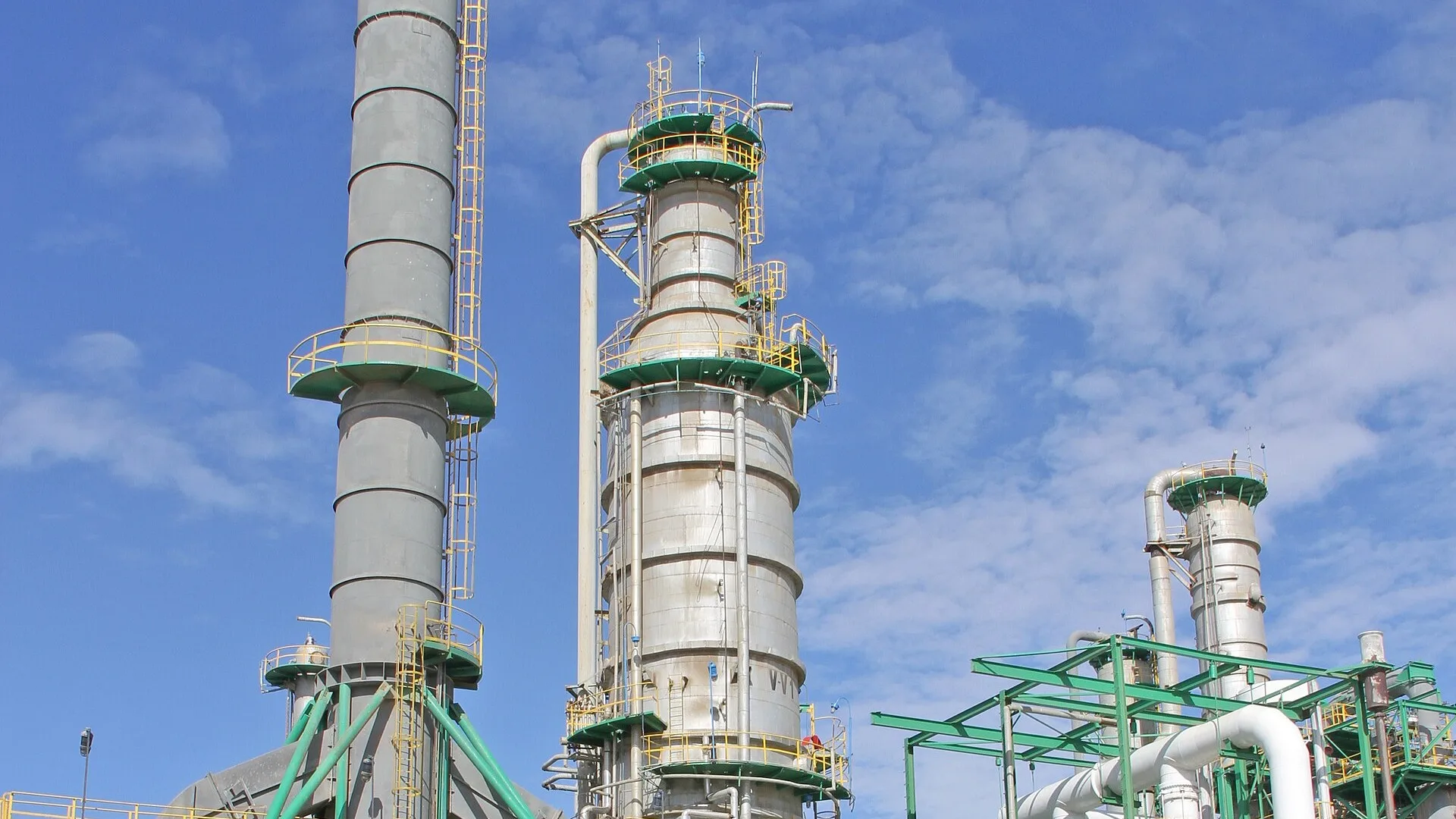
ProInversión said on 18 November 2026 that a technical team and Petroperú representatives inspected the Pisco terminal to see how it operates today. The terminal stands in Pisco, in the Ica region of Peru’s southern coast.
The agency put its storage capacity at about 300,000 barrels and said it receives, stores and dispatches diesel, gasolines and Turbo A1 (jet fuel) for wholesale distributors. Dispatch has peaked at up to 12,000 barrels a day, the agency said.
The teams assessed whether storage could be expanded and whether works could improve performance. ProInversión said its proposal would bring in private capital for the infrastructure and management of the terminal, while Petroperú keeps ownership.
In parallel, ProInversión is reviewing Petroperú’s corporate policy documents and procedures, while Petroperú reviews the environmental permits and management instruments needed to keep the terminal running. ProInversión plans further technical visits to other non-strategic Petroperú assets in the coming months.
Why It Matters Beyond Pisco
At the peak dispatch of 12,000 barrels a day, a 300,000-barrel capacity equals about 25 days of supply (our arithmetic from ProInversión’s 18 November figures). That is a buffer for the wholesale distributors the terminal serves, so better management could steady local fuel supply, while a poorly handled hand-over could do the opposite.
The clearest gain would go to Petroperú, which could get investment without new public money, because Delgado said on 7 January that private investors should carry the management risks. Who loses, if anyone, is not yet clear, because the terms of any deal are not public.
For US readers the direct exposure is limited, since this is one regional depot and no price, bidder or contract has been named. The wider interest is the restructuring itself, which ProInversión said in September 2026 had received a first US$475 million disbursement from international banks.
The Strongest Objection
The decree behind the process is being challenged before Peru’s Constitutional Court, its top constitutional tribunal, as set out below. Delgado’s position, given on 7 January, is that ownership stays with the state and the private party brings only management and investment.
Peru’s Constitutional Court is also handling two challenges to the decree, one from the Defensoría del Pueblo (the national human-rights ombudsman) and one from the Talara municipality. The court joined the two cases on 25 May 2026 and a public hearing followed in August, and we found no ruling.
What to Watch
ProInversión said it will make further technical visits to other non-strategic Petroperú assets in the coming months, but it gave no dates. The next checkpoint is the first official notice that confirms whether the southern terminals’ promotion plan was approved or names a tender date.
What Is Not Known
We could not confirm whether the promotion plan for the southern terminals, scheduled for 2 October 2026, was approved or launched, nor which type of deal (concession or equity stake) is planned. We also do not know how much would be invested, when a tender could open or what condition the tanks and pipes are in.
We could not open the text of the 18 November ProInversión statement or the decree on the official sites, so the terms here follow the agency’s published account. We will update this article when the primary texts are available.
What It Means for You
Nothing changes for fuel supply today: the terminal keeps operating and ownership stays with Petroperú. If you follow Peru through energy, mining or state-company debt, this remains an assessment, not a sale.
Frequently Asked Questions
What is the Pisco fuel terminal?
It is a Petroperú fuel storage and dispatch site in the Ica region, with about 300,000 barrels of capacity, ProInversión said on 18 November 2026. It supplies diesel, gasolines and jet fuel to wholesale distributors.
Who is ProInversión?
It is Peru’s agency for promoting private investment in public assets. Emergency Decree 010-2025 gave it the task of restructuring Petroperú.
Is Petroperú being privatised?
ProInversión’s project director, Ángel Delgado, said on 7 January 2026 that privatisation is ruled out. Two public bodies have challenged the decree before the Constitutional Court.
Will Petroperú keep the Pisco terminal?
Yes under the proposal: ProInversión said on 18 November that private capital would be added while Petroperú keeps ownership. The type of private role has not been announced.
When will a private operator be chosen?
No date has been published. ProInversión said only that more technical visits to other non-strategic assets will follow in the coming months.
Sources: ProInversión account of the Pisco terminal visit, 18 November 2026 (agency statement; text not opened, see What Is Not Known); ProInversión statement of 7 January 2026 by project director Ángel Delgado (gob.pe/institucion/proinversion); Emergency Decree 010-2025 (Peru Official Gazette, 31 December 2025); Constitutional Court of Peru, cases 00003-2026-PI/TC and 00004-2026-PI/TC (https://www.tc.gob.pe/jurisprudencia/2026/00003-2026-AI%20Acumulacion.html). Related: Petroperú nine-month profit; Petroperú bridge loan; Petroperú Ecuador oil savings; Peru news.
This article was produced by The Rio Times’ automated AI newsroom. Editorial responsibility: Matthias Camenzind, Publisher and Editor-in-Chief. The Rio Times also runs Ask Rio Times, which answers from 100,000+ of our own articles, the daily Latin America Power Map, and prediction-market odds on elections and markets.. How we use AI · Report an error