PERU · ENERGY · STATE OIL
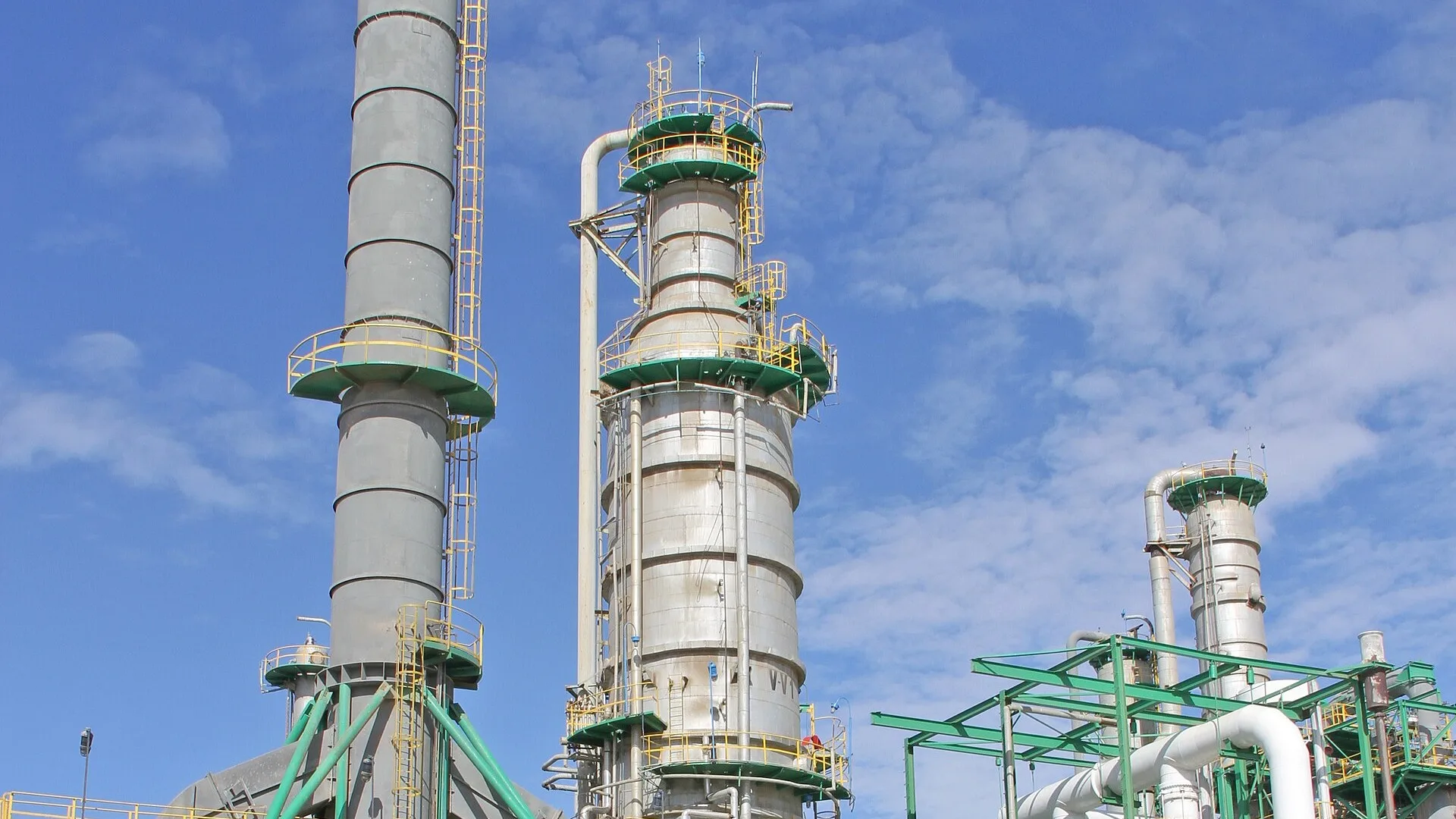
Peru’s oil workers’ federation, Fenpetrol, has rejected a government plan to let a private company run the new Talara refinery of state oil company Petroperú under a concession. A concession is a contract in which a private firm invests in a state asset and earns its money back from running it.
Talara stands on Peru’s northern coast and cost more than US$6 billion to modernise. The fight matters to US readers because the plan would change who controls fuel supply in Peru and who bears Petroperú’s debt.
Key Facts
- What is happening Peru’s oil unions oppose a plan to hand Talara refinery to a private operator.
- Why it matters Control of Peru’s fuel supply and repayment of Petroperú’s debt are at stake.
- The plan Concession model; the state agency says the plan could come in January 2027.
- Who is who ProInversión (state investment agency) versus unions Fenpetrol and STAPP.
- What to watch January 2027 plan; Constitutional Tribunal ruling on a 2025 emergency decree (dates unconfirmed).
Peru’s state oil company faces a fight over who should run its modernised refinery. The investment agency wants private money, and the oil workers’ federation wants a national debate first.
The Big Picture
Talara is Petroperú’s modernised refinery, and Fenpetrol puts the money invested in it at more than US$6 billion. Petroperú’s debt is the reason ProInversión gives for putting cash flow first.
ProInversión, Peru’s state agency that promotes private investment, says its first aim is that Talara generates the cash flows to pay Petroperú’s debt first (our paraphrase). In late September 2026 its representatives told Peru’s Congress, the national legislature, “categorically” that no total privatisation of Petroperú is planned.
What ProInversión Plans
ProInversión president Luis del Carpio said in late October 2026 that the agency is preparing “a concession model where the private sector invests large sums”. He added that “of course that investment has to be recovered” (our translation of all Spanish quotes).
Del Carpio said the private partner could also run the refinery because it needs “specialised technical management”. He said Petroperú could share in the profits, in a model similar to port and airport concessions.
Del Carpio said the plan for Talara could be presented in January 2027, with some months afterwards for investors to run their own checks. He said ProInversión will share the decision with Petroperú’s management.
The agency’s wider plan for Petroperú would raise money from asset blocks through “strategic partnerships” with private operators, from storage terminals and secondary refineries to the Norperuano oil pipeline in the north and oil blocks. The schedule is staggered between the end of 2026 and 2027.
What The Unions Say
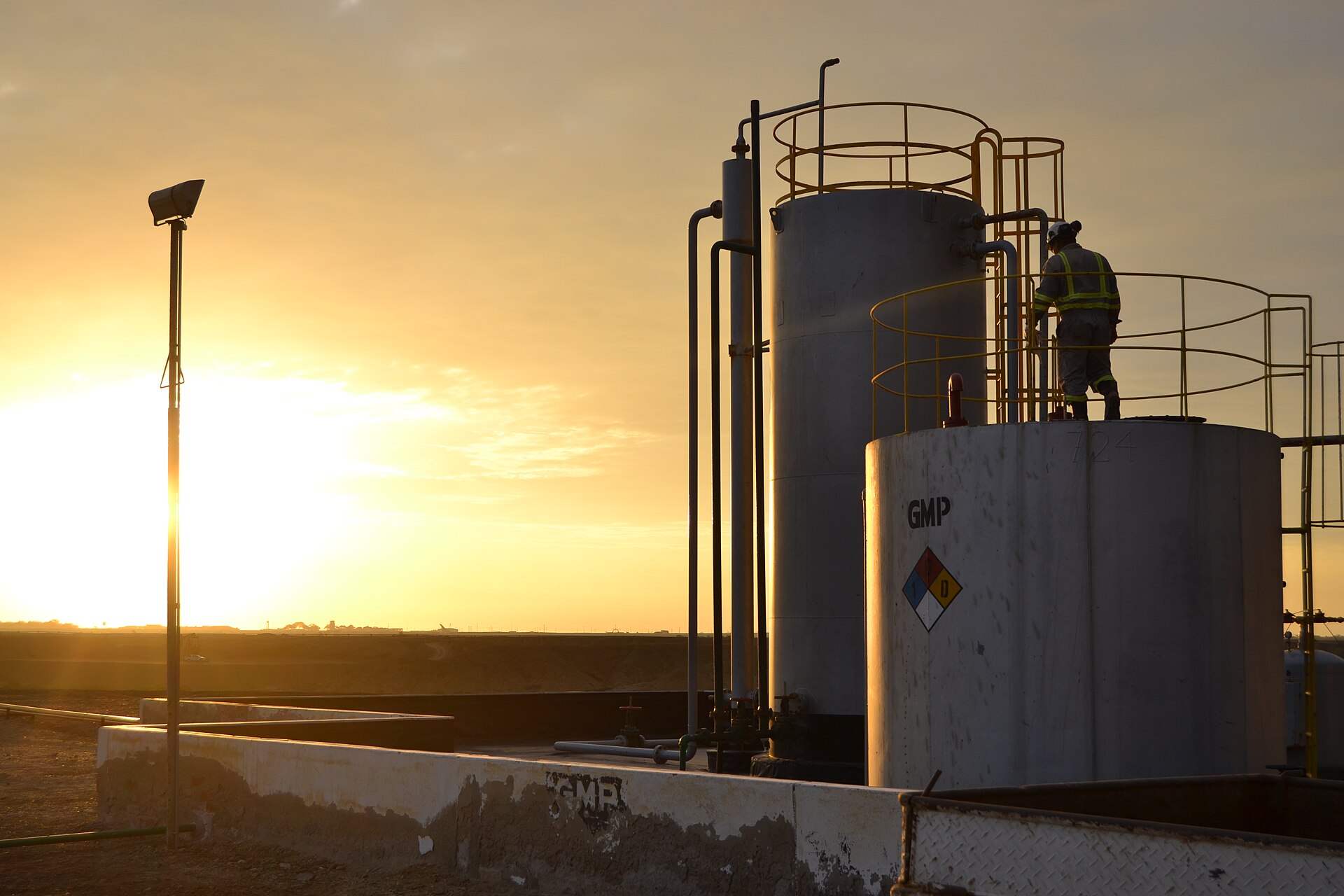
Fenpetrol, the national federation of petroleum and energy workers and a front of five Petroperú unions, rejected the concession announcement in October 2026. It said the decision “compromises control of infrastructure fundamental for fuel supply, the operating autonomy of our state company and the country’s energy security”.
Fenpetrol said the more than US$6 billion invested “cannot be handed over without national debate”. It asks how much the operator would invest, how it would recover the capital and how revenue would be shared.
STAPP, the union of Petroperú’s administrative workers, warned that the plan could become a hidden privatisation (our paraphrase). It asked to halt the process while Peru’s Constitutional Tribunal, the court that rules on constitutional questions, has yet to rule on Emergency Decree 010-2025.
The decree, issued in 2025, set measures for the asset reorganisation of Petroperú. No date for the ruling is confirmed.
Why It Matters
Talara cost more than US$6 billion to modernise. A private operator would change who controls that supply and who bears Petroperú’s debt.
ProInversión argues that private money and management are needed so Talara can pay Petroperú’s debt first. Fenpetrol and STAPP argue that fuel supply must not pass quietly to a private operator.
What To Watch
First, ProInversión’s presentation of the Talara plan, which Luis del Carpio said could come in January 2027 (date not confirmed at ProInversión). Investors would then run their own checks.
Second, the Constitutional Tribunal’s ruling on Emergency Decree 010-2025 (date not confirmed). STAPP wants the process halted until that ruling comes.
What Is Not Known
The final contract terms, the revenue split, the operator’s obligations and the term length are not known. Nor is it known how decisions in the public interest would be guaranteed, or when a tender would be held.
What It Means for You
If you follow Peruvian assets, the state oil company’s finances and any concession terms are the details to track. Nothing is decided, and ProInversión’s representatives told Congress in late September 2026 that no total privatisation is planned.
ProInversión has yet to publish its model. Our earlier report gives background.
See also our Peru hub. More is in our Latin America coverage.
Frequently Asked Questions
What is the Talara refinery?
Talara is the modernised refinery of state oil company Petroperú on Peru’s northern coast. Fenpetrol puts the money invested in it at more than US$6 billion.
What is ProInversión proposing?
ProInversión says it is preparing a concession model in which a private partner invests, may run the refinery and recovers its money. Petroperú could share in the profits, and the plan could be presented in January 2027.
Why do the unions object?
Fenpetrol says the plan compromises control of fuel infrastructure and energy security. STAPP warns it could become a hidden privatisation and wants the process halted until the Constitutional Tribunal rules on Emergency Decree 010-2025.
Is Petroperú being privatised?
ProInversión’s representatives told Congress in late September 2026 that no total privatisation of Petroperú is planned. STAPP warns the concession could become a hidden privatisation.
Sources: Statements by ProInversión, Fenpetrol and STAPP as reported in Peruvian media between 27 and 29 October 2026; Congress of Peru, Emergency Decree 010-2025 (accessed 16 November 2026).
This article was produced by The Rio Times’ automated AI newsroom. Editorial responsibility: Matthias Camenzind, Publisher and Editor-in-Chief. The Rio Times also runs Ask Rio Times, which answers from 100,000+ of our own articles, the daily Latin America Power Map, and prediction-market odds on elections and markets.. How we use AI · Report an error