Lima Floods: A Few mm of Rain Exposes a City Not Built for Water
Peru · Weather
Key Facts
- —What happened Sunday’s 4.2 mm drizzle flooded Lima’s south, stranding vehicles and seeping into homes and shops (US$…).
- —How big a jump Villa María recorded 4.2 mm in five hours, up to 6.3 mm, a historic Lima-Callao reading.
- —The real story The flooding exposes a gap: a 10-million city with desert-era pipes and a 50-year-old sewer that fails each rain (US$…).
- —The catch The government announced, but didn’t legally decree, an emergency for Villa El Salvador; no decree appeared by Monday.
- —Who it touches In Villa El Salvador, 56+ homes were ruined; sewage flooded Villa María del Triunfo; Surco river overflowed into Chorrillos’ market.
- —What comes next Cleanup starts without official damage figures; El Niño Costero odds hit 71% for late 2026.
A few millimeters of rain—nothing more than a heavy drizzle—sent Lima’s sewers into overdrive, flooding the city’s southern districts. The government has promised an emergency decree to help, but the bigger official plan they published is all about drought, not rain, even as the El Niño climate pattern looms on the horizon with growing risks for the capital and its economy.
On Sunday, an unusually heavy drizzle in southern Lima turned streets into rivers, flooding homes and businesses. It wasn’t a huaico—a fast, muddy debris flow you often see in the Andes—but an aniego, where water backed up out of the sewer system and spread across entire neighborhoods.
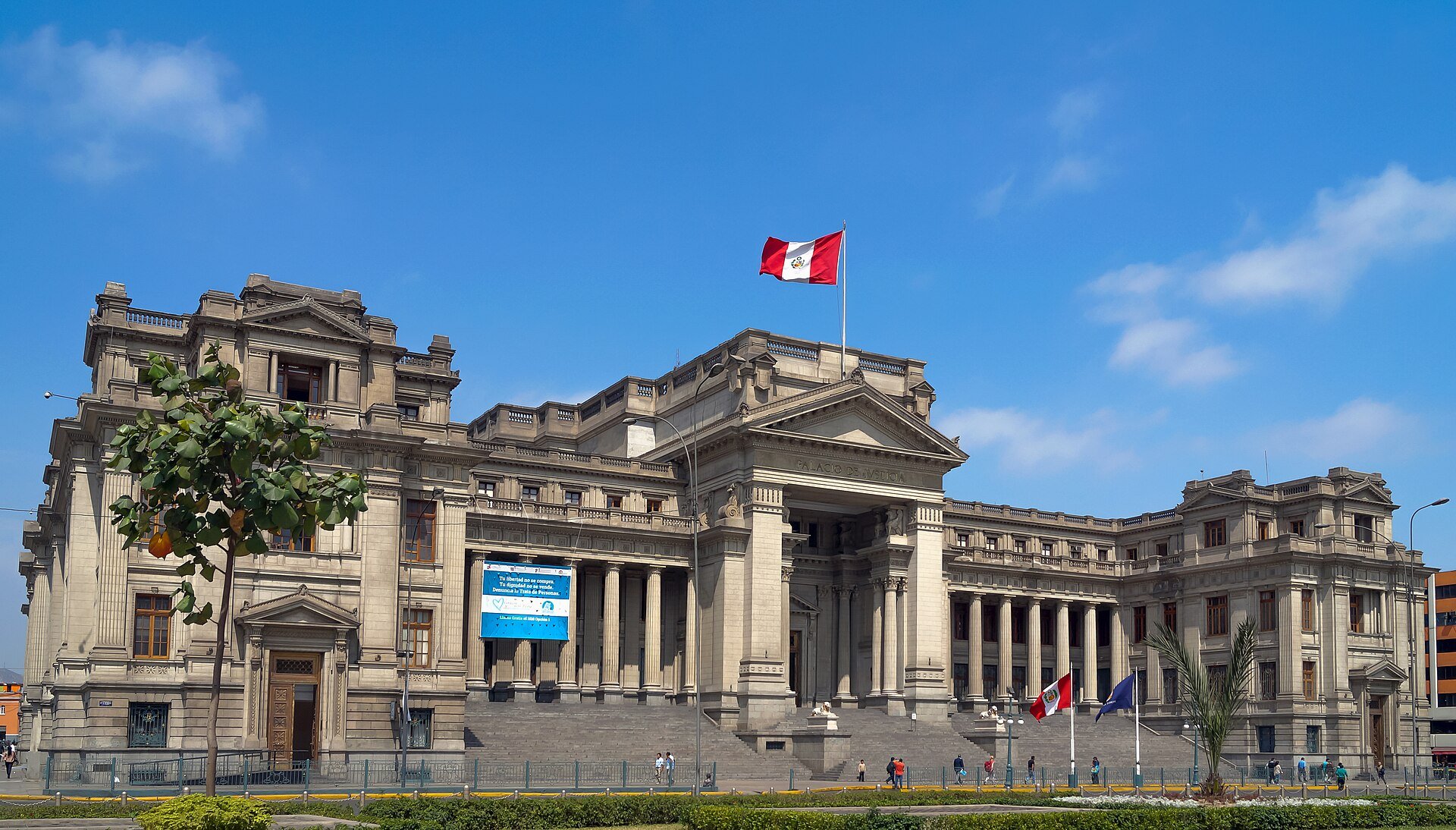
Why a few millimeters matter in Lima
Lima is one of the driest capital cities on Earth, a desert coast that sees well under 20 millimetres of rain in a typical year. Its winters bring garua, a cold coastal mist that dampens surfaces but never really flows anywhere, so the city’s drainage system was built for almost no rainfall at all.
On Sunday, SENAMHI, Peru’s national weather service, recorded 4.2 mm at its Villa María station between 2 pm and 7 pm, with some reports reaching 6.3 mm by 9 pm. Independent meteorologist Abraham Levy said Villa María del Triunfo took about 8 mm in 24 hours, which he called among the largest readings in the recorded history of Lima and Callao.
That may sound trivial anywhere else, but it was enough to overwhelm the sewer network. Sedapal, the state water utility, said the rain overloaded manholes across the system and sent three hydrojet units—high-pressure water trucks—to pump the water out.
The flooding and the promised emergency
The worst point was in Villa El Salvador, near a Lima Metro station, where water pooled deep enough to strand vehicles and seep into homes and shops. In Villa María del Triunfo, residents said water mixed with sewage flooded whole blocks, while in Chorrillos the Surco river overflowed, flooding streets and the district market.
Housing Minister Mauricio Arnillas González said the paperwork was being filed, and that Villa El Salvador would be in emergency “from tomorrow until the end of the year” to allow bypass and collector works. But as of Monday no such decree had appeared in the official gazette El Peruano — so it has been announced, not yet legally decreed.
Arnillas blamed a main sewer collector roughly 50 years old that he said has been failing for years and gives way every time it rains. At least 56 damnificados — the Peruvian civil-defence term for people whose homes are left uninhabitable — were reported in Villa El Salvador, with families moved into hotels under an arrangement with Sedapal, the local water utility.
No deaths have been confirmed, and INDECI — Peru’s national emergency agency — had not issued a consolidated damage bulletin for the event by Monday. That leaves residents and city officials waiting on official numbers while the cleanup begins.
The real decree: drought, not floods
A separate, broader state of emergency is in effect—but this one is for drought, not rain. Supreme Decree 116-2026-PCM, published in the official gazette El Peruano on 13 August, declares a 60-day emergency in 607 districts across 16 regions because of a water shortage ahead of the 2026-2027 rainy season.
INDECI, Peru’s national civil-defence institute, justified the move by pointing to falling river levels and shrinking reservoir storage in areas from Arequipa and Cusco to Puno and La Libertad.
That decree is the mirror image of the flooding — a country that gets too little water and too much of it, sometimes in the very same year.
On the flood side, INDECI reports that only 46 of the 168 critical points in Lima’s river basins have been addressed ahead of El Niño Costero, the coastal warming phenomenon that brings intense rains.
El Niño: a looming threat, but not this rain
El Niño Costero is a warming of the ocean right along the Peruvian and Ecuadorian coast, which is different from the broader El Niño that affects the whole Pacific. Historically, it brings heavy summer rain, flooding, and huaicos—the local word for sudden, destructive mudslides—to the northern coast, and ENFEN, the official monitoring committee, is on alert.
ENFEN’s official update from 17 July 2026 says the most likely scenario is a strong coastal El Niño continuing, with an extraordinary magnitude not ruled out by late 2026. For the December 2026 to March 2027 summer, the odds break down like this: 38% strong, 33% extraordinary, 23% moderate, and 6% weak—basically no chance of a neutral or La Niña outcome, which is the cooler opposite of El Niño.
Crucially, neither SENAMHI, Peru’s weather service, nor ENFEN has tied Sunday’s drizzle to El Niño or El Niño Costero. SENAMHI instead blames high humidity, thicker cloud cover, and stronger southerly winds blowing in off the coast.
So the alert is about the summer ahead, not this weekend’s light rain. ENFEN will release its next update at the end of August.
Across the region, El Niño’s effects are already worrying farmers and power grid operators from Peru to Brazil, as you can see in this look at the 2026 season’s impact on soy and electricity.
Leptospirosis risk rises with floodwaters
Floodwaters mixing with sewage can raise the risk of leptospirosis, a bacterial disease you can catch from water tainted by animal urine — rats are the big culprit. Peru’s health ministry counted 8,929 cases and 34 deaths through epidemiological week 31 of 2026; those are just standard numbered weeks, with week 31 running into early August.
That’s up about 25% from the same stretch of 2025, and hospitalizations have jumped to 1,057 through week 30 — that’s roughly two and a half times the 431 recorded a year earlier.
Health officials call this the highest for the period in five years, though it’s not yet confirmed as an all-time record in official bulletins. Piura, Loreto and San Martin are the worst-hit regions so far, and Lima’s flooding could easily push those numbers higher.
Why this matters for investors and expats
For investors, Sunday is a reminder of Peru’s infrastructure gap — a metropolis of roughly 10 million people running on pipes designed for a desert. The gap between announcing an emergency and actually decreeing one says something about how fast that capex will move.
Property and household insurance in a city built for zero rain is another angle. Many homes and businesses in southern Lima are not covered for water damage, and the risk of aniego will only grow with stronger El Niño events.
Agriculture is exposed too, with 607 districts already under a drought decree that threatens crops and water supplies. The government is also managing Peru’s slowing growth, and repeated climate shocks make that job harder.
The sol has been steady through it all, trading near S/3.37 to the US dollar in mid-August, with the central bank holding its policy rate at 4.25% for twelve straight months.
For expats, the practical lesson is to know your block’s flood risk before signing a lease in southern Lima. The new collector is years away — for now, a few millimetres of rain can still put water in the street.
More: Peru news in English, every day from The Rio Times.
The big picture: Peru explained — economy, politics, society and daily life in one read.
Frequently Asked Questions
Why did a few millimeters of rain cause such flooding in Lima?
Lima’s drainage and sewer system was built for a desert, not for real rain—the winter garua is just a mist that soaks in, so even a few millimeters of water can overwhelm the pipes and cause aniego, which is when dirty water backs up from the drains into the streets. It’s a stark reminder that a city designed for dryness simply isn’t ready for the wet stuff.
Is Villa El Salvador under a state of emergency?
The government said it would declare an emergency, but as of Monday 17 August, no official decree had been printed in the country’s legal journal yet. That announcement would let them start work on bypasses and sewers, but the paperwork isn’t finished, so nothing can move forward just yet.
What is El Niño Costero?
It’s a warming of the ocean along the Peruvian and Ecuadorian coast, separate from the broader El Niño phenomenon. It often brings heavy summer rain and flooding to Peru’s northern coast, and ENFEN—that’s Peru’s official body that studies ocean and climate events—is predicting a strong or extraordinary event for late 2026.
How can I protect myself from leptospirosis after flooding?
Steer clear of floodwater, especially if it might be mixed with sewage or rat urine—that’s a real health risk. If you absolutely have to go in, wear boots and gloves, then wash your hands well, and if you get a fever, headache, or muscle pain afterward, see a doctor right away.
Connected Coverage
Copper Rebounds Friday; Miners Lag
Minsur’s Santo Domingo Tin Project: US$250M Peru Plan
Peru June GDP Grows 1.75% as Coastal El Niño Hits Key Sectors
Sources: La República: Fuerte lluvia en Lima causa inundaciones en Chorrillos, Villa El Salvador, Villa María del Triunfo y San Juan de Miraflores; RPP: Intensas lloviznas causan inundaciones y aniegos en varios distritos del sur de Lima; Andina: Villa El Salvador sera declarado en emergencia por inundaciones a causa de lluvias; Infobae: Lluvias en Lima y Callao: Abraham Levy advierte que las precipitaciones estan entre las mayores de la historia; La República: Lloviznas continuaran en Lima: Senamhi preve precipitaciones hasta el 18 de agosto; La República: Deficit hidrico amenaza al agro: 607 distritos de 16 regiones quedan bajo estado de emergencia; El Comercio: Villa El Salvador: calles inundadas tras la intensa lluvia que cayo en Lima; TV Perú: Gobierno declara en emergencia 607 distritos por deficit hidrico
This article was produced by The Rio Times’ automated newsroom system. How we use AI · Report an error
Read More from The Rio Times