Andino’s US$0 Bid to Run a Barcelona Port Terminal for 16 Years
Business: Lima
Key Facts
—Bidder. Peruvian logistics group Andino (Andino Inversiones Global) has reached the final round to run a multipurpose terminal at the Port of Barcelona, in Spain.
—Concession. The tender covers a roughly 16-year concession at the Príncipe de España (Príncep d’Espanya) wharf, with possible early termination from year 10.
—Rivals. Andino is up against Spain’s Grupo Mestre and Boluda Maritime Terminals; all three technical bids were admitted for evaluation.
—Scale. The terminal spans about 87,425 square meters and requires minimum committed traffic of 240,000 tonnes a year from 2028.
—Strategy. A win would deepen Andino’s push into Europe, where it already manages air-cargo operations within Spain’s Aena network.
Peruvian group Andino has reached the final round of bidding to operate a Barcelona port terminal in Spain under a roughly 16-year concession, marking a bold European expansion for the Lima-based logistics firm.
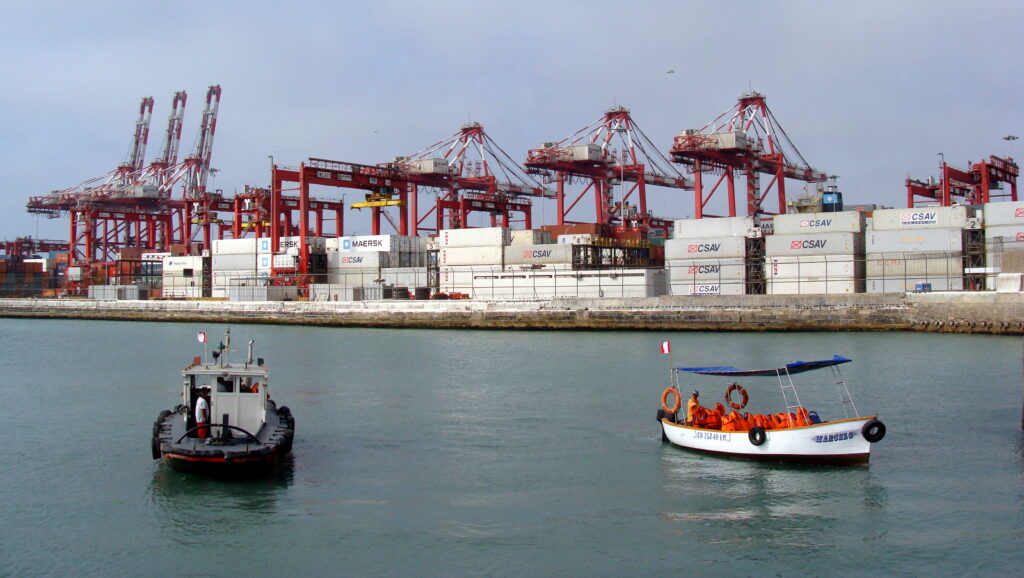
A Peruvian Bidder in a Spanish Port
Andino, the Peruvian logistics and infrastructure group, has reached the final round of a tender to operate a maritime terminal at the Port of Barcelona, in Spain. The company — which trades as Andino Inversiones Global and traces its roots to Andino Investment Holding — is one of three bidders whose technical offers were admitted for evaluation.
The geography is worth stating plainly: the terminal is in Barcelona, Spain, not in Peru. This is a case of a Peruvian company expanding abroad, seeking to run European port infrastructure rather than a project on home soil. For the Lima-based group, a win would be a significant step into the European logistics market.
The Barcelona Port Authority is running the concession process for a multipurpose terminal, and it confirmed that Andino cleared the technical and documentary review required to stay in contention.
Inside the 16-Year Concession
The tender covers a roughly 16-year concession to build and operate a public multipurpose terminal at the Muelle Príncipe de España, also written Príncep d’Espanya in Catalan. The contract includes the possibility of early termination from year 10 if the port needs to reorganize the surrounding area.
The facility spans about 87,425 square meters, including existing office buildings and parking, and the winner would handle cargo storage and related port services. Tender conditions set a minimum committed traffic of 240,000 tonnes a year starting in 2028.
Those terms define both the opportunity and the obligation. The concessionaire gains a long runway in a major Mediterranean port, but it must commit to volume targets and investment from the outset.
The Rivals: Mestre and Boluda
Andino is competing against two Spanish players. One is Grupo Mestre, bidding through its stevedoring arm; the other is Boluda Maritime Terminals, part of the well-known Boluda maritime group. All three submitted technical offers that the port authority accepted for evaluation.
Facing established local operators on their home turf is a demanding test for a Latin American challenger. Boluda in particular is a major name in Spanish and international shipping, giving the contest a clear incumbent-versus-newcomer dynamic.
The port authority is expected to weigh technical plans, investment commitments and traffic guarantees before naming a winner, so Andino’s advance to the final stage signals that its proposal is considered credible.
Andino’s European Push
The Barcelona bid is part of a broader expansion into Europe. Andino does not yet operate port facilities in Spain, but it has moved into air-cargo operations within the Aena airport network, giving it a foothold in Spanish logistics infrastructure.
Adding a Barcelona port terminal would let Andino combine air and sea cargo operations in one of Europe’s busier trade gateways. The Port of Barcelona reported solid container and overall traffic growth in the first half of 2026, underscoring why operators see value in a long-term concession there.
For a Peruvian group, planting operations in a top Mediterranean port is a statement of ambition that goes well beyond the Andean region where it built its business.
Why It Matters for Peru
Peruvian companies are more often on the receiving end of foreign port investment — the country’s own terminals, including the giant Chancay project, have drawn overseas operators. Andino’s Barcelona bid flips that script, showing a Peruvian firm competing to run infrastructure in Europe.
Success would raise Andino’s international profile and diversify its revenue beyond Peru and the wider region. It would also serve as a reference case for other Latin American logistics groups weighing expansion into developed markets.
Even reaching the final round carries reputational value, signaling that a Peruvian operator can meet the technical and financial bar set by a major European port authority.
What Happens Next
The Barcelona Port Authority will evaluate the three admitted bids before awarding the concession. There is no guarantee Andino prevails against its Spanish rivals, and the outcome will hinge on the detailed technical and commercial terms each bidder offers.
If Andino wins, it would take on the volume commitments and investment obligations that begin ramping in 2028. If it falls short, reaching the final stage still marks a notable milestone in the group’s European strategy.
Either way, the contest is a useful window into how Latin American logistics firms are starting to look outward, seeking growth in the very markets that have long invested in their home ports.
More: Peru news in English, every day from The Rio Times.
Frequently Asked Questions
What is Andino bidding for in Barcelona?
Andino, a Peruvian logistics group, has reached the final round to operate a multipurpose maritime terminal at the Port of Barcelona in Spain, under a roughly 16-year concession.
How long is the concession and how big is the terminal?
The concession runs about 16 years, with possible early termination from year 10. The terminal spans about 87,425 square meters and carries a minimum committed traffic of 240,000 tonnes a year from 2028.
Who are Andino’s competitors?
Andino is competing against two Spanish operators, Grupo Mestre through its stevedoring arm and Boluda Maritime Terminals. All three technical bids were admitted for evaluation by the Barcelona Port Authority.
Sources
Gestión · El Mercantil · Diario del Puerto · Splash247 · Port Technology
Connected Coverage
More Peru business and infrastructure reporting from The Rio Times.
Sources: Gestión, El Mercantil, Diario del Puerto, Splash247 and Port Technology International.
This article was produced by The Rio Times’ automated newsroom system. How we use AI · Report an error
Read More from The Rio Times