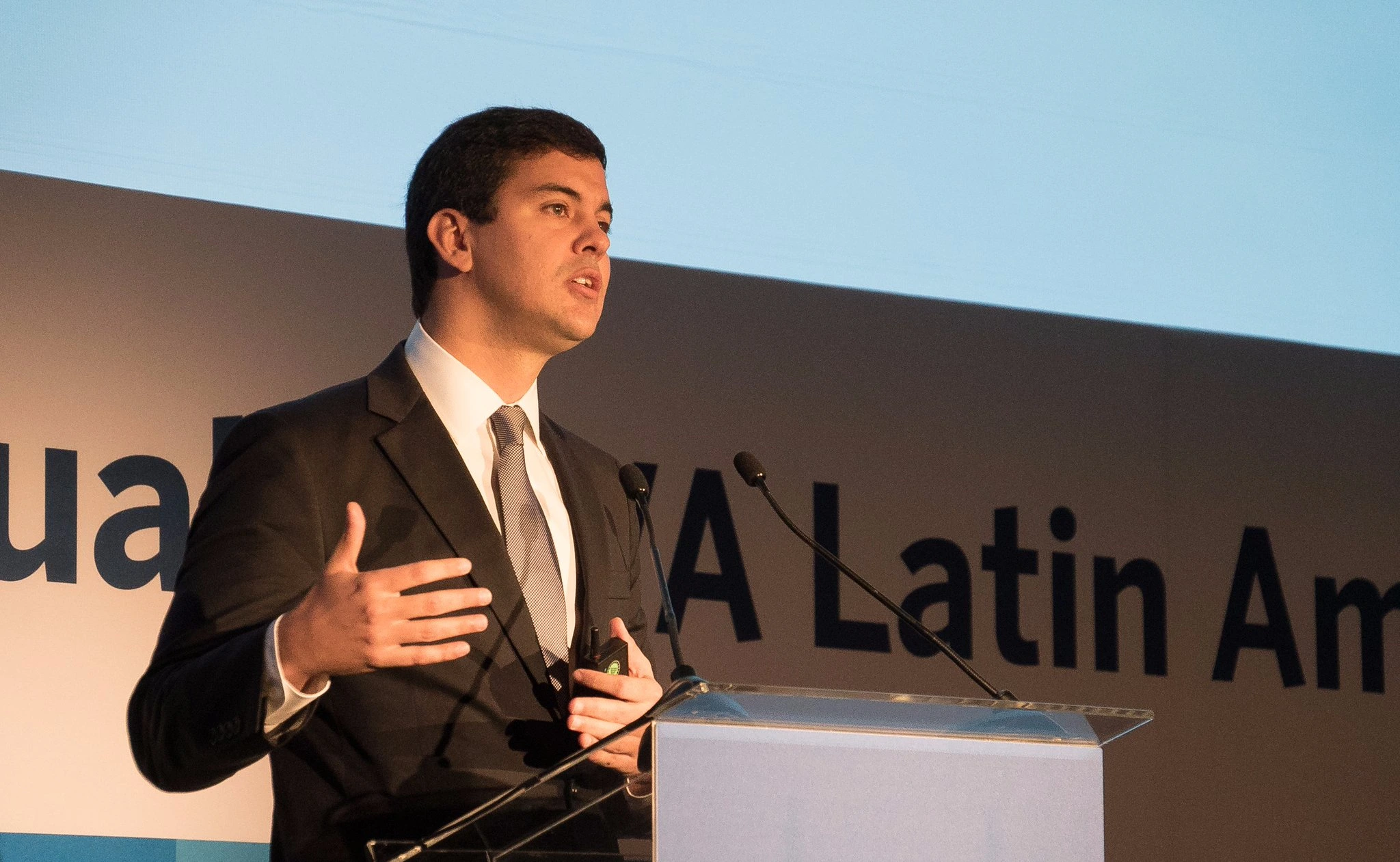
Paraguay’s President Santiago Peña praised the strong ties with Brazil in a recent press conference.
This followed a meeting with Brazil’s President Luís Inácio Lula da Silva during a UN event. Both leaders discussed forming a strategic alliance to boost Paraguay’s development.
The plan will cover trade, infrastructure, and security.
A thriving Paraguay also benefits Brazil, Peña pointed out. Trade and shared sectors like energy and tourism link the countries.
“Our diplomats have a great relationship,” he added.
As for the Itaipu Entity, a joint initiative, a meeting is set for October in Brasilia.
They will discuss altering Annex C, involving both diplomatic and organizational representatives. Peña acknowledged mutual respect among the entity’s directors.
Lastly, on the subject of Mercosur, Peña seeks to conclude EU negotiations through Brazil. Failing that, he aims to explore deals with regions like Singapore and the UAE.
Background Paraguay Brazil Ties
The relationship between Paraguay and Brazil has long been crucial for both countries. Historically, they’ve cooperated in numerous fields, from energy to trade.
The Itaipu Entity exemplifies this partnership, producing hydroelectric power for both nations.
The ongoing discussions indicate a desire to solidify and expand their mutual interests.
However, it’s vital to remember that partnerships can also bring challenges. Striking the right balance in trade and energy sharing is crucial.
Additionally, the geopolitical impact of a stronger alliance could influence other South American nations.
As the world watches, the next steps from Paraguay and Brazil will define their shared path forward. But it is important to remember that Paraguay pursues EU deals through Brazil.
Key Facts
— Deep Dive
— For the complete picture, read our in-depth guide: Paraguay: Washington's Most Valued Ally in Latin America
More: Brazil news in English, every day from The Rio Times.
This article was produced by The Rio Times’ automated newsroom system. How we use AI · Report an error
Read More from The Rio Times