Panama US Intelligence Sharing Widens in Anti-Drug Push
PANAMA · SECURITY
Key Facts
- —What happened Panama’s security minister and a senior Pentagon intelligence official agreed to share more intelligence against drug trafficking.
- —The context The talks came the same week the US donated four drones and kept Panama on its drug-transit list.
- —Why it matters Closer Panama US intelligence ties could mean more patrols and port checks, affecting residents, shippers and investors.
- —The catch No signed agreement, timeline or details were published, and it is unclear which groups count as narco-terrorist.
- —Who it affects Expats, investors and businesses in Panama, plus the Senan coast and air service and Senafront border force.
- —What comes next Results will likely appear first in Senan and Senafront operations and in further statements from both governments.
Panama’s security minister and a senior Pentagon intelligence official agreed to share more information against drug trafficking. The step comes in a busy week for security ties.
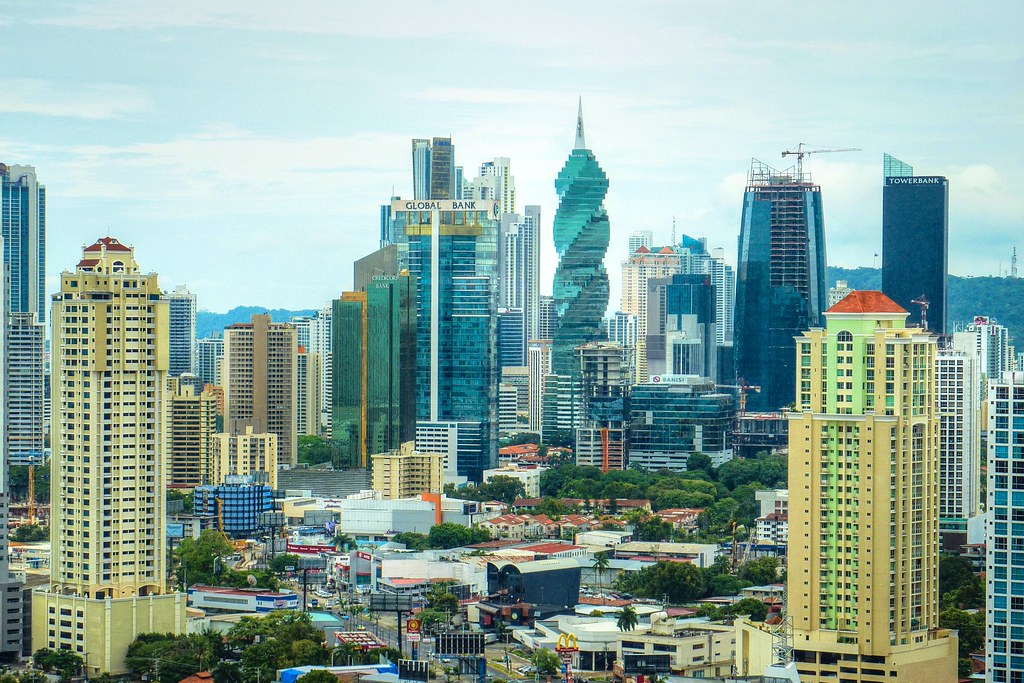
Panama US intelligence cooperation is set to widen after talks between Security Minister Frank Ábrego and senior Pentagon official Bradley Hansell. Panamanian media reported the meeting on Friday, 18 September 2026.
What Panama and the US agreed
According to Crítica and Mi Diario, the two sides agreed to strengthen cooperation on intelligence and security. The main goal is to fight drug trafficking and organised crime.
Their priorities are to share more intelligence and to increase joint actions against groups described as narco-terrorist. Officials also discussed ways to improve coordination against crime that crosses borders.
Several senior officials joined the talks. They included Vice Minister of Public Security Luis Felipe Icaza and US Ambassador Kevin Marino Cabrera.
The heads of Panama’s two main security forces also attended. These were Luis de Gracia of the National Aeronaval Service (Senan) and Larry Solís of the National Border Service (Senafront).
Who Bradley Hansell is
Hansell is the senior Pentagon official in charge of intelligence and security. Under the Trump administration, the Defense Department also uses the name Department of War.
During the visit, Hansell also met Ambassador Cabrera at the US Embassy in Panama City, the outlet Destino Panamá reported. No wider public agenda for his trip was released.
Cabrera said on the social platform X that the visit reflects US policy toward Latin America and Panama. He wrote that the priority is clear: to stop threats early and keep borders secure.
A busy week for Panama US intelligence and security ties
On Wednesday, 16 September 2026, the US handed Panama four K1000 unmanned aircraft worth more than US$6 million. They went to Senan, the service that patrols Panama’s coasts and air space.
The US Embassy said the drones will help watch remote borders and sea routes and break up drug and people-smuggling networks. Panamanian pilots completed a six-week, US-funded training course to fly them.
Each K1000 runs on electric power with solar technology and can stay in the air for about 24 hours, EFE reported. Minister Ábrego praised the Panamanian professionals trained to take on the new task.
The same day, Washington published its yearly list of major drug transit or drug producing countries for fiscal year 2027. Panama is one of 23 countries named, as it has been since 2018.
Several of Panama’s neighbours are also on the list, including Colombia, Costa Rica, Ecuador and Venezuela. That reflects the region’s role on routes carrying drugs north.
The list says inclusion does not necessarily reflect a government’s current anti-drug efforts. Only four countries — Afghanistan, Bolivia, Burma and Colombia — were named as having failed demonstrably.
What Panama’s leaders are saying
On Friday, 18 September 2026, Ambassador Cabrera said Washington works with Panama “todos los días” — every day — against drug trafficking. He called Panama the top US partner in the region for drug seizures for five years running, EFE reported.
Panama seized about 129 metric tons of drugs in 2025, according to Public Ministry figures cited by EFE. Cabrera also praised President José Raúl Mulino’s efforts to stop Panama being used as a transit route.
Mulino has taken a hard line. At a police graduation on 14 September 2026, he said “O son los narcos o somos nosotros” — traffickers or us.
He also said gangs cannot be defeated through negotiation or dialogue. His government presents the fight against organised crime as a question of national sovereignty.
Why this matters for expats and investors
Panama’s economy depends on the canal, its ports and its role as a regional trade and banking hub. Keeping drug cargo out of that trade matters for the country’s standing with partners.
For residents, wider sharing could mean more patrols and surveillance along coasts and in the Darién border region. Shippers could see closer checks on containers passing through Panama’s ports.
There is also a budget question. The Ministry of Public Security said on 17 September 2026 that its proposed 2027 budget is US$631.4 million below its request.
That is a cut of 36.4%, and Panama’s balboa trades one to one with the dollar. Minister Ábrego warned that the gap forces the ministry to set priorities and postpone some needs.
That could shape how much Panama can add on its own side of the partnership with Washington.
What is not yet known
Neither government has published a signed agreement, a joint statement or a timeline for the wider intelligence sharing. It is not clear whether new staff, systems or funding are involved.
It is also not known which groups are meant by the term narco-terrorist. There is no public checklist showing what Panama must do to leave the drug transit list.
The next steps will likely show up first in operations by Senan and Senafront, and in any follow-up statements from both governments.
Frequently Asked Questions
Frequently Asked Questions
Did Panama and the US sign a new intelligence agreement?
No signed document has been published. Officials agreed to expand intelligence sharing and joint action against drug trafficking groups.
Does being on the US drug transit list mean sanctions for Panama?
The list itself does not announce sanctions. Panama was not among the four countries named as having failed demonstrably.
How does the Panama US intelligence push affect daily life?
Officials have not described changes for the public. Coasts, borders and ports are the areas where more surveillance and checks could appear.
Connected Coverage
Moody’s Doubts Panama’s Investment Grade as a Shut Copper Mine Weighs
United States Third-Country Deportation Ruling Upheld in Boston
Sources: Crítica and Mi Diario, 18 September 2026; US Embassy in Panama and US Southern Command; White House, 16 September 2026; Panama Ministry of Public Security; EFE; TVN; Destino Panamá.
This article was produced by The Rio Times’ automated newsroom system. How we use AI · Report an error
Read More from The Rio Times