IBOV 188,268.59 ▲ 1.42% IPSA 11,238.63 ▼ 1.16% IPC MEX 64,499.43 ▼ 0.49% MERVAL 3,157,852 ▲ 1.53% COLCAP 2,626.71 ▲ 1.65% BVL PERÚ 60,702.89 ▼ 2.19% USD/BRL5.10▼ 0.10% USD/MXN16.98▲ 0.51% USD/CLP940.47▲ 1.38% USD/COP3,088▼ 0.94% USD/PEN3.36▲ 0.07% USD/ARS1,513▼ 0.08% USD/UYU40.24▲ 3.05% USD/PYG5,868▲ 2.26% USD/BOB12.36▲ 1.91% USD/DOP58.63▲ 0.22% USD/CRC447.58▲ 1.69% USD/GTQ7.63▲ 3.04% USD/HNL26.85▲ 0.57% USD/NIO36.62▲ 0.34% USD/VES830.41▲ 0.45% USD/PAB1.00— 0.00% USD/BZD2.00— 0.00% USD/JMD 157.28 — 0.00% USD/TTD6.73▲ 2.40% EUR/BRL5.92▲ 0.30% BRENT 88.88 ▼ 0.03% WTI 83.11 ▼ 0.11% IRON ORE 161.91 — — COPPER 6.61 ▲ 0.03% GOLD 4,461 ▲ 1.78% SILVER 65.59 ▲ 1.26% SOY 1,184 ▲ 3.20% CORN 480.50 ▲ 10.02% WHEAT 655.00 ▲ 3.93% COFFEE 317.25 ▼ 5.51% SUGAR 16.43 ▼ 1.79% ORANGE JUICE 138.55 ▼ 0.47% COTTON 85.03 ▲ 2.33% COCOA 5,719 ▲ 3.18% BEEF 223.60 ▼ 3.93% CATTLE 339.10 ▼ 3.16% LITHIUM 75.20 ▲ 1.47% PETR4 41.64 ▼ 0.05% VALE3 72.97 ▲ 0.83% ITUB4 38.60 ▼ 1.03% BBDC4 16.85 ▲ 0.36% ABEV3 14.89 ▼ 0.80% BBAS3 19.37 ▲ 0.47% B3SA3 14.26 ▼ 0.21% WEGE3 47.59 ▲ 0.49% PRIO3 59.14 ▼ 0.19% SUZB3 41.33 ▲ 2.35% RENT3 34.68 ▼ 0.09% AZZA3 15.89 ▼ 2.63% CSAN3 3.22 ▼ 1.83% RAIZ4 0.25 — 0.00% PCAR3 2.75 ▼ 0.36% GMAT3 3.65 ▼ 1.08% PSSA3 48.13 ▼ 0.54% CVCB3 1.33 ▼ 2.92% POSI3 3.36 ▲ 2.44% SLCE3 13.34 ▲ 0.30% NATU3 8.14 ▼ 0.73% IBOV 188,268.59 ▲ 1.42% IPSA 11,238.63 ▼ 1.16% IPC MEX 64,499.43 ▼ 0.49% MERVAL 3,157,852 ▲ 1.53% COLCAP 2,626.71 ▲ 1.65% BVL PERÚ 60,702.89 ▼ 2.19% USD/BRL 5.16 ▲ 0.01% USD/MXN 17.06 ▼ 0.24% USD/CLP 913.98 ▲ 0.04% USD/COP 3,140 ▲ 0.03% USD/PEN 3.36 ▼ 0.66% USD/ARS 1,493 ▲ 0.10% USD/UYU 40.27 ▲ 1.24% USD/PYG 5,939 ▲ 1.68% USD/BOB 11.64 ▼ 0.76% USD/DOP 58.34 ▲ 1.25% USD/CRC 445.92 ▲ 0.89% USD/GTQ 7.62 ▲ 2.21% USD/HNL 26.79 ▲ 1.57% USD/NIO 36.62 ▲ 0.69% USD/VES 762.44 ▼ 0.13% USD/PAB 1.00 — 0.00% USD/BZD 2.00 — 0.00% USD/JMD 157.28 — 0.00% USD/TTD 6.70 ▲ 0.61% EUR/BRL 5.95 ▲ 1.01% BRENT 88.88 ▼ 0.03% WTI 83.11 ▼ 0.11% IRON ORE 161.91 — — COPPER 6.61 ▲ 0.03% GOLD 4,461 ▲ 1.78% SILVER 65.59 ▲ 1.26% SOY 1,184 ▲ 3.20% CORN 480.50 ▲ 10.02% WHEAT 655.00 ▲ 3.93% COFFEE 317.25 ▼ 5.51% SUGAR 16.43 ▼ 1.79% ORANGE JUICE 138.55 ▼ 0.47% COTTON 85.03 ▲ 2.33% COCOA 5,719 ▲ 3.18% BEEF 223.60 ▼ 3.93% CATTLE 339.10 ▼ 3.16% LITHIUM 75.20 ▲ 1.47% PETR4 41.64 ▼ 0.05% VALE3 72.97 ▲ 0.83% ITUB4 38.60 ▼ 1.03% BBDC4 16.85 ▲ 0.36% ABEV3 14.89 ▼ 0.80% BBAS3 19.37 ▲ 0.47% B3SA3 14.26 ▼ 0.21% WEGE3 47.59 ▲ 0.49% PRIO3 59.14 ▼ 0.19% SUZB3 41.33 ▲ 2.35% RENT3 34.68 ▼ 0.09% AZZA3 15.89 ▼ 2.63% CSAN3 3.22 ▼ 1.83% RAIZ4 0.25 — 0.00% PCAR3 2.75 ▼ 0.36% GMAT3 3.65 ▼ 1.08% PSSA3 48.13 ▼ 0.54% CVCB3 1.33 ▼ 2.92% POSI3 3.36 ▲ 2.44% SLCE3 13.34 ▲ 0.30% NATU3 8.14 ▼ 0.73%
since 2009
Thursday, September 10, 2026

Africa Morocco

Olive Oil Renaissance in North Africa

By · September 5, 2024 · 2 min read

Africa Intelligence

One email, every weekday morning. African markets, politics and business — filed from our newsroom in Rio.

Yesterday’s subject line: “Nigeria's Dangote signs for Africa's biggest IPO ever”

Free. We send a confirmation link first — nothing arrives until you click it. Unsubscribe with one click in any edition. If you stop opening us for 30 days we stop sending by ourselves, as we assume the interest is no longer there. See our privacy policy. We never share your email.

Olive oil, long celebrated as a cornerstone of Mediterranean cuisine, has recently ascended to new heights in the global marketplace.

Its production has not only increased but has done so dramatically, surging by more than 60% in recent years.

Traditionally, European countries like Spain, Italy, and Greece have dominated this sector, their names synonymous with quality and tradition in olive oil production.

However, the landscape is shifting. The Maghreb nations—Tunisia, Morocco, and Algeria—are carving out a significant niche for themselves.

These countries are increasingly recognized for their ability to produce high-quality olive oil, matching and sometimes surpassing traditional European standards.

Tunisia: The Golden Liquid at the Heart of the Economy

As the world’s fourth-largest producer, Tunisia crafted 200,000 tons of olive oil in the 2023-2024 season.
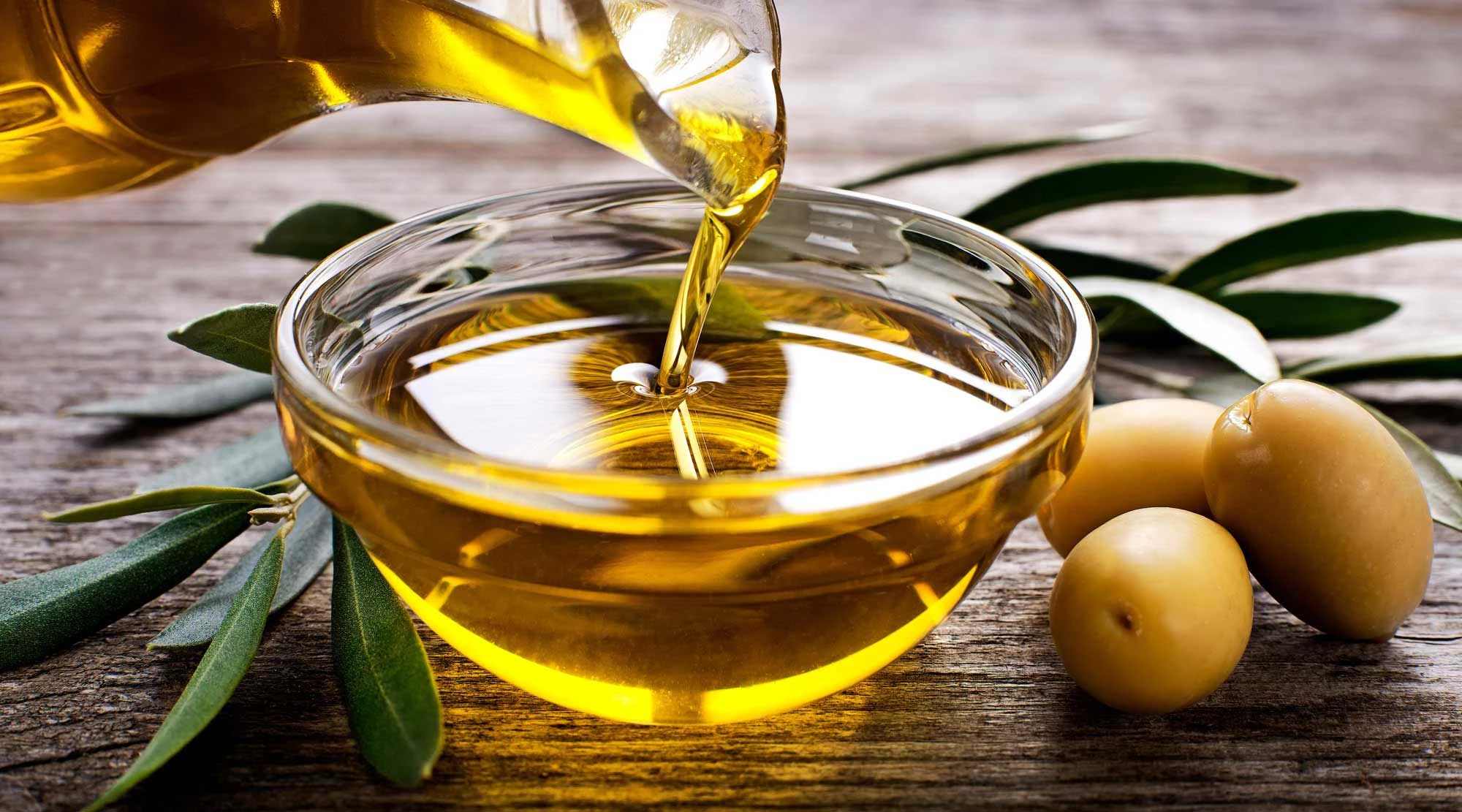
Olive Oil Renaissance in North Africa
Olive Oil Renaissance in North Africa.
One-stop reference
Company Intelligence
Every listed company in Latin America — financials, ownership and structure for 1,450+ companies across 26 exchanges, in one place.
Browse the directory →
RT
Ask Rio Times
17 years of Latin America reporting, on demand.
Open the full Ask Rio Times →

Drawing from millennia of heritage and an ideal Mediterranean climate, Tunisia’s vast olive groves, especially in the Sahel and Sfax regions, yield globally esteemed olive oil.

Tunisian brands like Chemlali and Chetoui excel internationally, exporting to Europe, the USA, and Asia.

Rigorous quality controls and investments in advanced infrastructure keep Tunisia at the forefront as Africa’s leading producer.

Morocco: Blending Tradition and Innovation

Ranked seventh globally, Morocco produced 106,000 tons in 2023-2024, merging ancestral knowledge with modern techniques.

Key production areas include Fès, Marrakech, and Meknès, known for oil that is celebrated for its robust flavor and culinary versatility. Brands like Lesieur Cristal showcase Moroccan excellence both domestically and abroad.

The kingdom emphasizes sustainability, fostering organic practices and innovation to enhance quality and yield.

Algérie: A Sector in Full Bloom

Algeria, the world’s ninth-largest producer with 93,000 tons in 2023-2024, sees significant growth in its olive industry.

Olive trees have thrived for centuries in the Algerian landscapes, particularly in Kabylie, the Aurès mountains, and the coastal and inland plateaus.

Algerian olive oil is renowned for its fruity and slightly spicy notes. Among its industry leaders, the brand Dahbia, a 100% organic product from Benhar in the highlands of Djelfa, shines internationally.

Dahbia embodies the excellence of Algerian olive oil, making its mark in prestigious global competitions.

The commitment to sustainability and organic farming is expanding in Algeria. Many producers are adopting environmentally friendly practices, which enhance soil health and product quality.

The Algerian government actively supports these initiatives, aiming to modernize the sector and expand its global market presence.

The Maghreb is establishing itself as a key region in the global production of olive oil. Tunisia, Morocco, and Algeria, with their rich traditions, produce quality oils that are captivating palates worldwide.

This growing sector not only supports local economies but also positions these nations as important contributors to the global culinary landscape.

This article was produced by The Rio Times’ automated newsroom system. How we use AI · Report an error

Part of our ongoing coverage

Africa: The New Scramble — the great-power contest over the continent.

More from Northern Africa

Read More from The Rio Times

The Rio Times · Power Map
See who really holds power in Latin America
Click to open the Power Map

Rotate for Best Experience

This report is optimized for landscape viewing. Rotate your phone for the full experience.