Xi Pledges $50 Billion to Africa, Including Space and Nuclear Cooperation
At the 2024 FOCAC summit, President Xi Jinping proposed a significant technological collaboration between China and Africa.
This initiative aims to champion the developing world and advance modernization across the Global South.
The U.S. and EU also have initiatives in these areas, but they are significantly overshadowed by China’s engagement.
President Xi outlined several key areas of cooperation:
- Nuclear Technology: China will create a China-Africa forum on peaceful nuclear technology use.
- Joint Research: They will set up 30 joint laboratories to foster scientific collaboration.
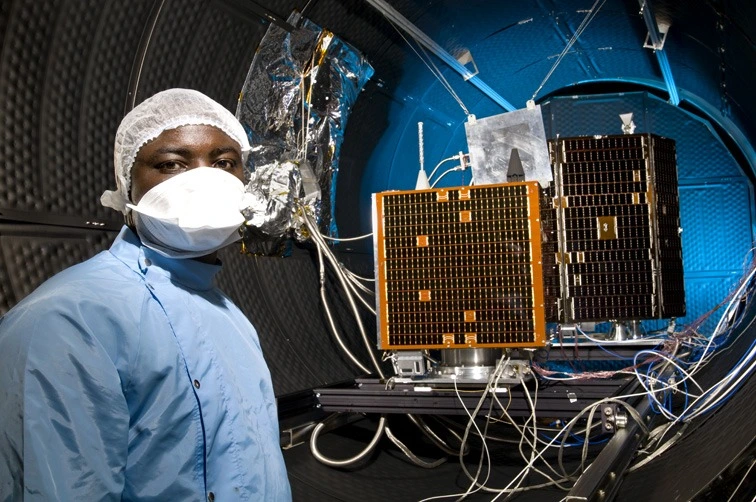
- Space Exploration: China and Africa will work on satellite remote-sensing and space exploration.
- Clean Energy: China promised to launch 30 clean energy projects in Africa.
- Agriculture: They will form an alliance for agricultural science and technology
- Education: China will build an engineering academy and train African professionals.
Context and Significance
This partnership is part of a larger package announced at the FOCAC summit. It includes financial support of 360 billion yuan ($50 billion) over three years.
China believes modernization needs more than infrastructure and economic aid. It requires scientific and technological advancement too.
Some question prioritizing space exploration for nations facing poverty and healthcare issues. However, Xi argued these endeavors are crucial for a modern, prosperous Africa. The initiatives address the research gap between Africa and the rest of the world.
Africa accounts for only 1-2% of global research output. This is despite representing 18% of the world’s population. China aims to change this imbalance through collaboration.
This year, Egypt was the only African country on the World Intellectual Property Organisation’s Global Innovation Index, with Cairo ranked 95th.
China and Africa have already started working together in some areas. Ethiopia and Kenya have joined China’s lunar research base project.
South Africa agreed to build centers for China’s BeiDou satellite navigation system. This cooperation is part of China’s larger geopolitical strategy.
China positions itself as an alternative partner to Western nations for developing countries. Xi stressed that “modernization is a fundamental right for every nation.”
He criticized Western approaches that have caused hardships for developing nations. These initiatives align with the African Union’s Agenda 2063. This agenda includes goals for poverty alleviation and economic growth.
Challenges and Opportunities
These partnerships offer significant opportunities for African nations. However, they also present challenges.
Concerns about debt sustainability remain important. African countries need to negotiate terms that benefit their own development goals.
It’s crucial to monitor how these initiatives benefit African nations and citizens. We should focus on knowledge transfer, capacity building, and sustainable development.
The success of this cooperation depends on mutual benefits and long-term positive impacts.
Xi Pledges $50 Billion to Africa, Including Space and Nuclear Cooperation”
Editorial responsibility: Matthias Camenzind, Editor-in-Chief · Editorial standards · Report an error
Part of our ongoing coverage
Africa: The New Scramble — the great-power contest over the continent.