Nigeria Says the US Drawdown Is Not a Rupture
Nigeria · SECURITY
Key Facts
- —Personnel About 200 US troops are leaving Nigeria, with no published completion date.
- —Statement Nigeria’s Defence Headquarters calls the withdrawal a routine, mission-specific adjustment.
- —US comment AFRICOM says the partnership is ongoing and personnel numbers will fluctuate.
- —Remaining Small teams of trainers and intelligence analysts are expected to stay.
- —Context This is the second drawdown in two months, following the 2024 US exit from Niger.
- —Partnership Intelligence sharing and training continue despite the reduced footprint.
Nigeria says about 200 US personnel leaving is an adjustment, not a break. The partnership continues with intelligence and training.
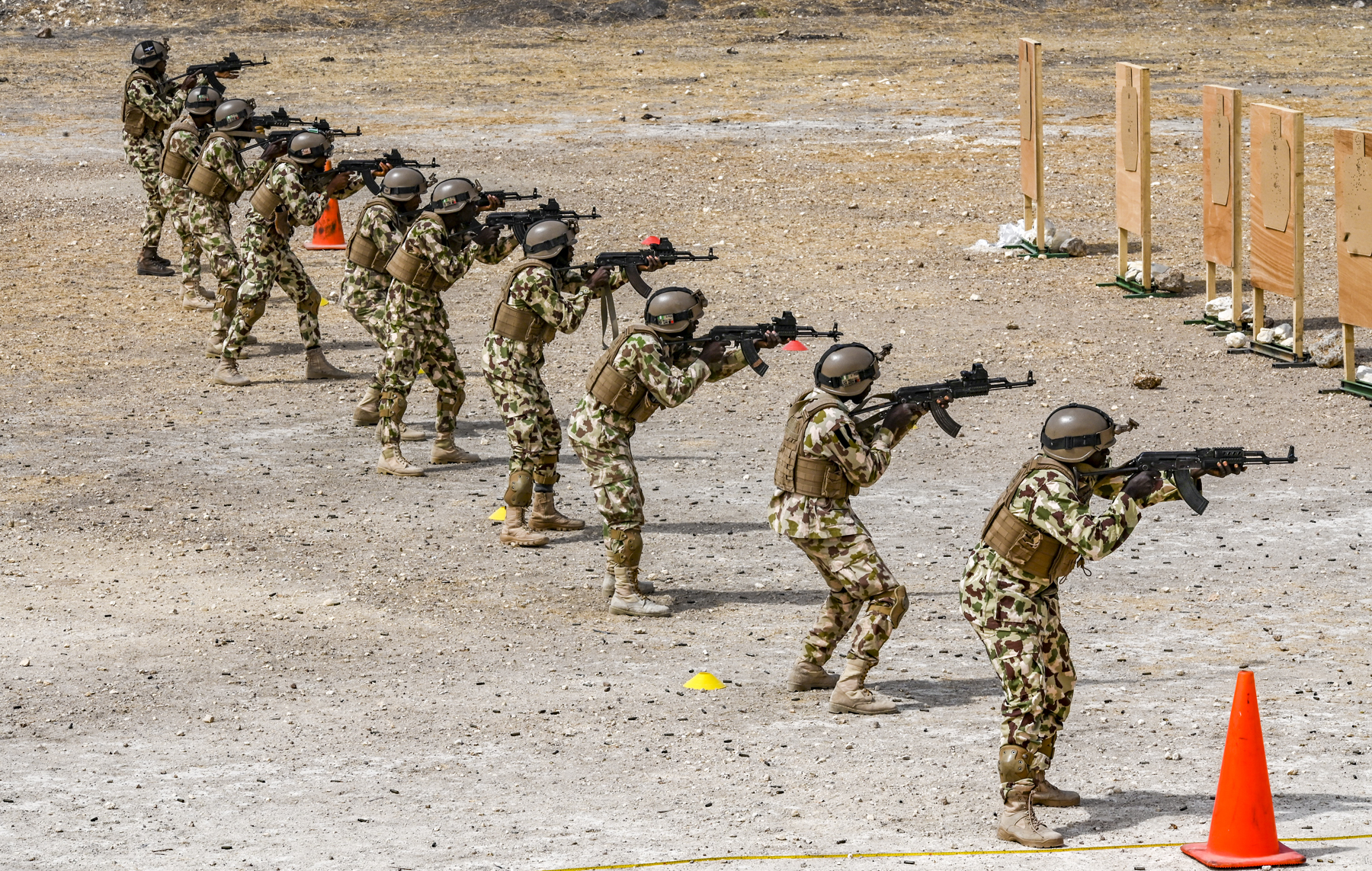
Nigeria’s Defence Headquarters says the reported US troop withdrawal is a mission-specific adjustment, not a rupture. The security partnership will continue, it said.
Major General Samaila Uba called the move ‘routine’. He said the relationship is strong, enduring, and mutually beneficial.
What Nigeria Says
The Defence Headquarters statement, quoted by AP, says the deployment of US personnel was tied to specific operational and counterterrorism objectives. Premium Times quotes the same core message from the armed forces.
Uba urged the public not to misinterpret the drawdown as a sign of weakened defence capability. He stressed the move is routine.
Scope of the Drawdown
Reports say about 200 US personnel will leave, but no timetable has been published. The withdrawal follows a similar drawdown two months earlier, marking the second in that period.
An AFRICOM spokesperson said the partnership remains strong. Forces stay in Nigeria to address shared threats, with numbers fluctuating as needed.
What the US Personnel Did
The troops were involved in training, intelligence gathering, advisory support, and counterterrorism operations. Their work focused on the Lake Chad Basin and Islamist militant groups.
An unnamed ISIS senior leader is cited as an achievement.
US Statement and Context
AFRICOM’s statement qualifies the drawdown: personnel numbers ‘will fluctuate as required to meet mission requirements.’ This indicates the reduction is not a full exit.
On 3 July 2026, AFRICOM Commander Dagvin Anderson said most forces are withdrawn. They continue intelligence sharing with Nigeria.
Partnership Continues
Nigerian officials say the drawdown does not end security cooperation. The relationship continues through intelligence sharing, military training, technical assistance, and logistics support.
Uba’s line is that the withdrawal is part of the engagement. The personnel mix changes, but the partnership remains.
Regional and Political Context
The move follows the 2024 US withdrawal from Niger, which cut Washington’s basing options in West Africa. This drawdown is smaller and occurs amid shifting US force posture.
The troops arrived after a US strike on suspected ISIS fighters. Trump said they targeted Christians; his claim is his own.
Official Reassurance
Nigerian officials downplayed alarm, describing the withdrawal as routine and not a collapse. They stress the US presence had already served its counterterrorism purpose.
No evidence in the gathered sources indicates Russia, China, or Turkey are stepping into the military gap. The official message focuses on continuity, not replacement.
Frequently Asked Questions
How many US troops are leaving Nigeria?
About 200 US personnel are expected to leave, but no completion date has been published.
Is the US-Nigeria security partnership ending?
No, Nigeria says the drawdown is mission-specific and the partnership continues in areas like intelligence sharing and training.
Why are US troops leaving?
The deployment was tied to specific counterterrorism objectives, and the need for a large footprint has reduced.
What did the US troops do in Nigeria?
They provided training, intelligence support, and logistics, focusing on the Lake Chad Basin and militant groups.
Does this relate to Niger?
Yes, it follows the 2024 US withdrawal from Niger, part of a broader shift in US force posture in West Africa.
Connected Coverage
Sources: Associated Press; Premium Times; US Africa Command (via reporting); Reuters syndication
This article was produced by The Rio Times’ automated newsroom system. How we use AI · Report an error
Read More from The Rio Times