
NIGERIA · ECONOMY
Key Facts
- The country Nigeria, Africa’s most populous nation and a major oil exporter, is a large US trade and security partner.
- What happened Nigeria’s central bank data put foreign exchange reserves at about US$55.26 billion on Wednesday 28 October 2026.
- Versus September September ended near US$54.9 billion, so reserves are up about US$0.35 billion.
- The trend Reserves are about 28% higher than a year earlier.
- The naira The official rate of the naira, Nigeria’s currency, was 1,346.91 per US dollar on Thursday 29 October, so 1,000 naira are worth about US$0.74.
Nigeria’s foreign exchange reserves stood at about US$55.26 billion on 28 October 2026, according to the latest daily data from the Central Bank of Nigeria (CBN), the country’s central bank. That is up from about US$54.9 billion at the end of September, which is not yet the October month-end figure.
For US readers, the reserves are the cushion that lets the CBN defend the naira and pay for imports and debt, which matters to anyone holding Nigerian bonds or doing business there. Our report on Nigeria’s debt shows why a strong buffer matters.
What Happened
The CBN publishes its reserves every working day. Its data put the gross figure at about US$55.26 billion on Wednesday 28 October, and the reading dipped by about US$7 million on Thursday 29 October.
October is not over, so the month-end figure is not yet known. The 28 October level is a daily reading, not a month-end total, and it is about 28% above the US$43.11 billion of a year earlier.

A Data Error Along the Way
In mid-October an earlier figure of about US$58 billion was published. The CBN said it was incorrect and gave US$55.07 billion as the gross reserves for 9 October.
That correction explains why the October readings now sit near US$55 billion and not US$58 billion. The October readings have since risen only slightly.
Why the Reserves Matter
Reserves are the dollars and other foreign assets the central bank holds. Gross reserves count all of them, while net reserves subtract short-term obligations, and CBN Governor Olayemi Cardoso has put net reserves at about US$46 billion.
Oil is Nigeria’s main source of dollars. The buffer has been built by export earnings, which have risen with higher world oil prices tied to Middle East tensions.
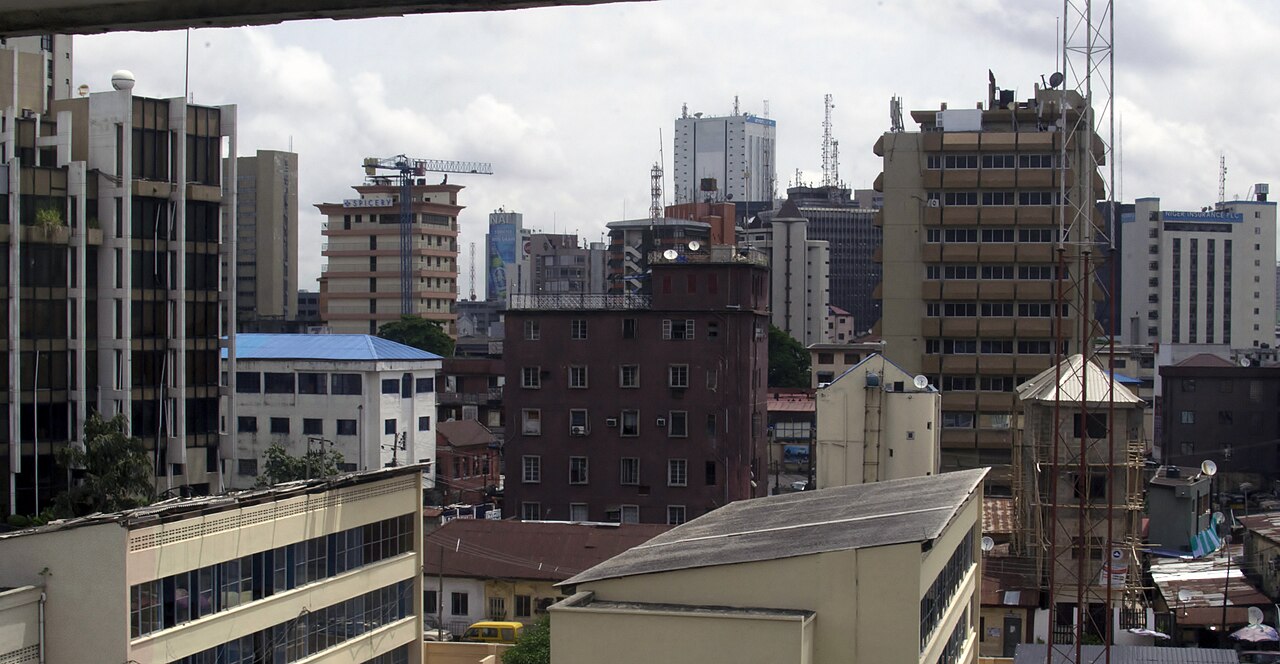
The Naira Is Steadier
On Thursday 29 October the naira closed at 1,346.91 per US dollar on the official market, its third straight daily gain. On Monday 26 October it had closed at about 1,367.61.
On the street, the unofficial market, dealers quoted about 1,385 to 1,388 naira per dollar this week. That is about 3% weaker than the official rate.
What It Means for You
If you hold Nigerian bonds or naira assets through a US fund, a reserve level above US$55 billion lowers the risk of a sudden devaluation. It also gives the CBN more room to keep selling dollars when the naira wobbles.
If you send money home to Nigeria or travel there, the steadier naira makes the dollar cost of local spending easier to predict. Our guide to Nigeria and the United States explains the wider trade and aid ties.
What Would Change the Picture
A fall in the world oil price would cut export earnings and slow the build-up of reserves. Heavy CBN dollar sales to defend the naira would also draw them down.
Continued oil strength and more foreign investment would push reserves higher. Official revisions to the daily data could also move the headline number.
What Is Not Known
It is not known what the October month-end total will be, because the month is not over. It is also unclear what caused the latest small dip.
The CBN has not said whether it will sell dollars if the naira weakens again. The path of world oil prices, which drive Nigeria’s export earnings, is also open.
More: Nigeria news in English, every day from The Rio Times.
Frequently Asked Questions
What Are Nigeria’s Foreign Exchange Reserves?
They were about US$55.26 billion on Wednesday 28 October 2026, according to the Central Bank of Nigeria. That is about 28% higher than a year earlier.
Why Did an Earlier Figure Show About US$58 Billion?
An earlier figure of about US$58 billion was published in mid-October. The central bank said it was wrong and gave US$55.07 billion for 9 October.
Do Higher Reserves Strengthen the Naira?
They help, because the central bank can sell dollars when the naira falls. The official rate of the naira, Nigeria’s currency, was 1,346.91 per US dollar on Thursday 29 October, its third daily gain in a row.
Sources: Central Bank of Nigeria, daily external reserves data and official exchange rate, 28 and 29 October 2026; Central Bank of Nigeria, exchange rates, 29 October 2026.
Editorial responsibility: Matthias Camenzind, Editor-in-Chief · Editorial standards · Report an error