Nigeria’s Nasarawa Mining Ban Bars Under-18s From Sites
NIGERIA · MINING
Key Facts
- —What happened Nasarawa State in Nigeria banned children below 18 from mining sites and set up an enforcement team.
- —Who announced it Margaret Elayo, the state commissioner responsible for environment and mining, spoke at a press conference in Lafia.
- —Where it applies The directive covers all 13 local government areas, with special concern for Wamba, Nasarawa-Eggon and Kokona.
- —Which roles Children may not work at sites as labourers, errand runners or food vendors.
- —The catch No arrests or prosecutions under the new directive had been reported by the announcement day.
- —Why now It followed the deaths of dozens of suspected illegal miners in custody in neighbouring Niger State.
A Nigerian state in the lithium belt says children must stay away from mining work, and it has set up a team to check.
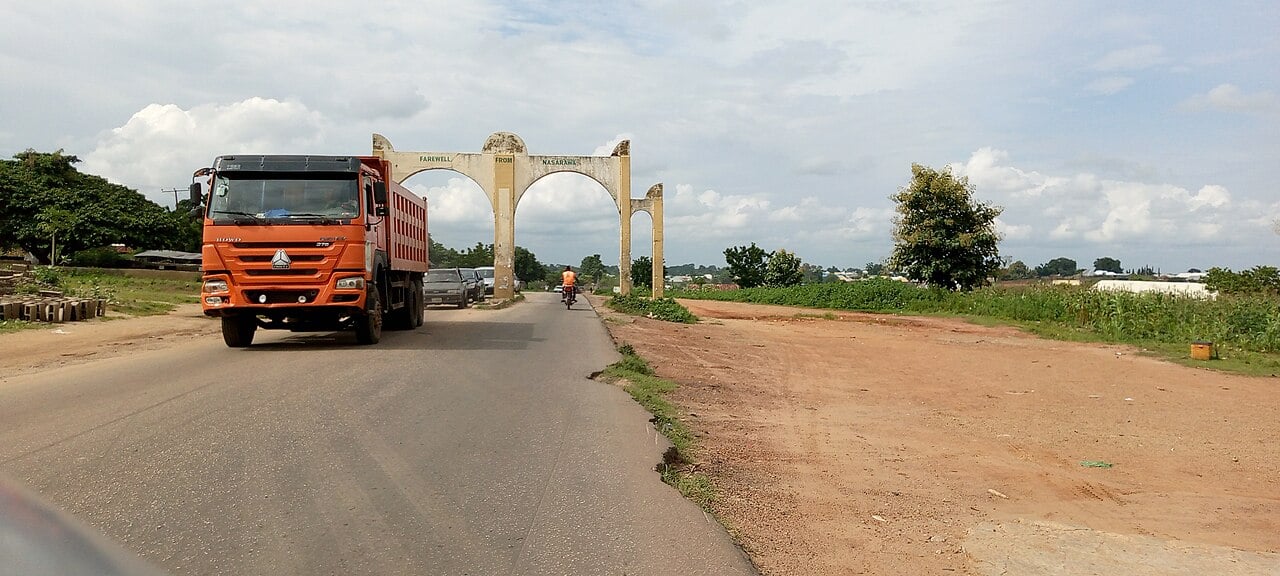
The Nasarawa mining ban, announced on Friday 18 September 2026, keeps every child below 18 off the state’s mining sites. Commissioner Margaret Elayo said violating companies, site operators and parents will be arrested and prosecuted.
What the Nasarawa mining ban actually says
Elayo announced the directive at a press conference in Lafia, the state capital. She said no child below 18 may be found at any mining site in Nasarawa State.
The rule names three roles: labourer, errand runner and food vendor. It applies across all 13 local government areas of the state.
She said any company, site operator or parent who breaks the rule will be arrested and prosecuted. The legal basis she cited is the Child Rights Law and the mining regulations.
The government also created a special monitoring and enforcement team. Its job is to tackle illegal mining and child labour in mining communities.
The team will visit mining sites to check compliance. It can also arrest people or firms mining without the required licences.
The state says it will work with security agencies, traditional rulers and community leaders. It is also working with the federal mining ministry to organise small-scale miners into cooperatives.
Why the state acted this week
Elayo said the ministry had received videos showing minors mining around Wamba Local Government Area. She also named Nasarawa-Eggon and Kokona as areas of concern.
Days earlier, suspected illegal miners died in the custody of the Nigeria Security and Civil Defence Corps (NSCDC) in Niger State. Reports put the toll at between 33 and 37.
The federal interior minister suspended the Niger State NSCDC commander and ordered an investigation. Elayo offered condolences and said illegal mining is unacceptable whoever does it.
She also said some mining companies hold only exploration permits but still dig on a large scale. She urged residents to report illegal mining.
The Nasarawa mining ban is therefore about more than child labour. It is also part of a push to bring unlicensed digging under state control.
Nasarawa’s place in Nigeria’s lithium plans
Nasarawa sits at the centre of Nigeria’s lithium ambitions. Lithium is a key metal in batteries for electric cars and power storage.
On 3 July 2026, a lithium processing plant was commissioned at Endo in Nasarawa. The federal information ministry says it can process 6,000 tonnes a day.
The plant belongs to Diamond New Energy, a Chinese firm working with Chinese partners Jiuling and Canmax. The ministry put the investment at about US$250 million.
President Bola Tinubu said the plant showed Nigeria was ready to move from raw mineral extraction to local processing. Minister of Solid Minerals Development Dele Alake said new mining licences now need a local processing plan.
What it means for expats and investors
For investors with exposure to Nigerian lithium, the directive adds a compliance question. Processors and their buyers may need to show that ore was not dug by children.
Many international battery and car makers audit their mineral supply chains for child labour. A clear state ban gives those checks a local rule to point to.
The Nasarawa mining ban could also shape how lenders and partners judge local risk. Firms that already keep children off their sites face little extra cost.
Licensed operators could gain from a cleaner field if enforcement is fair. Informal diggers and their families are likely to feel the change first.
For expats living near mining areas, the change may be visible on the ground. Families that relied on children’s earnings at sites may lose that income.
What is still not known
The state has not published the size, budget or reporting line of the enforcement team. It is also not clear how often the team will visit sites.
No figures have been given for how many children work at Nasarawa’s mining sites. The number of licensed and unlicensed sites is also not stated.
It is not yet known how the rule will be applied to children who live in villages beside mining sites. Officials have not explained what help, if any, families will receive.
Many small sites are scattered and informal, which makes checks difficult. If enforcement is uneven, child labour could move out of sight rather than stop.
A wider push across Nigeria’s mining states
The directive fits a wider tightening of mining oversight in Nigeria. The deaths in Niger State have put safety and custody conditions under national attention.
Nasarawa’s plan to organise small-scale miners into cooperatives points the same way. Registered groups are easier to inspect, train and tax than scattered diggers.
Other mining states are likely to watch whether Nasarawa’s team produces cases in court. The first prosecutions would show how far the directive reaches in practice.
Frequently Asked Questions
Frequently Asked Questions
Who announced the Nasarawa mining ban?
Margaret Elayo, the state commissioner responsible for environment and mining, announced it in Lafia on Friday 18 September 2026.
Does the ban cover children selling food at mining sites?
Yes. The commissioner said no child below 18 may be at a site as a labourer, errand runner or food vendor.
Have there been arrests under the new rule?
None had been reported by the announcement day. A new monitoring and enforcement team has powers to visit sites and make arrests.
Connected Coverage
Minna Custody Deaths: Tinubu Seeks Prosecution if Officials Are Culpable
Investing in Nigeria 2026: What Changed, What It Pays and What to Watch
Sources: Nasarawa State Ministry of Environment press conference, 18 September 2026; Federal Ministry of Information and National Orientation; P.M. News; Daily Times Nigeria; The Eagle Online.
This article was produced by The Rio Times’ automated newsroom system. How we use AI · Report an error
LatAm Markets: Live Signals → — real-time movers, turnover leaders and FX across Latin America.
Read More from The Rio Times