Moving to Barbados 2026: Visas, Costs, Work Permits and Daily Life
GUIDES · BARBADOS
Key Facts
- —What it is A practical guide to moving to Barbados in 2026: entry rules, permits, costs, healthcare, tax and daily life.
- —Who it’s for Remote workers, retirees, people with a local job offer and families from North America and Europe.
- —What it costs The 12-month Welcome Stamp costs US$2,000 for one person or US$3,000 for a family. Agency rentals start near US$900 a month.
- —The rules Visitor stays, the Welcome Stamp, work permits and special entry permits are separate permissions, all issued through the Immigration Department.
- —Why it matters Your status decides your income tax, whether you may take a local job and whether the public hospital treats you free.
- —The catch Published Cabinet approval for the Welcome Stamp runs only to 31 December 2026.
- —What is still open A new Immigration Bill and Citizenship Bill, first noticed in April 2026, still sit at the House of Assembly stage.
Moving to Barbados is easy to start and harder to make permanent. A visitor stay or a remote-work stamp comes quickly, while a job or residence takes paperwork.
Barbados is a small Caribbean island republic of about 283,000 people, according to World Bank data for 2025. It offers foreigners a short list of routes, a currency fixed to the US dollar and a high cost of living. This guide sets out each step of moving to Barbados as of 25 September 2026.
All Barbados dollar (BDS$) figures here convert at the fixed rate of BDS$2 to US$1. The Central Bank of Barbados has held that peg since 5 July 1975, and open.er-api.com quoted exactly 2.00 on 25 September 2026.
Entering Barbados as a visitor
Many people moving to Barbados begin as visitors. The US State Department says American citizens need a valid passport and no visa for stays of up to six months. They must also show proof of onward or return travel.
The UK Foreign Office says British visitors need no visa either. They are told on arrival how long they may stay, and extensions must be applied and paid for through the Immigration Department. All travellers fill in an online immigration and customs form before they land.
Citizens of the European Union travel under a short-stay visa waiver signed with Barbados on 28 May 2009. It allows stays of up to three months in any six-month period, according to Barbados’s foreign ministry.
The immigration officer at the airport sets the length of each stay. Longer stays are requested on the Immigration Department’s Form B. Any local work, however brief, needs a permit first.
The 12-Month Barbados Welcome Stamp
The Welcome Stamp lets people live in Barbados for 12 months while working remotely for employers or clients abroad. The government announced it on 30 June 2020. The Remote Employment Act gave it legal force from 24 July 2020.
The fees are set in US dollars. The official programme page asks US$2,000 for an individual and US$3,000 for a family. Applicants must expect income of at least US$50,000 over the 12 months.
The Remote Employment Act states the same sums in Barbados dollars: BDS$4,000 (US$2,000), BDS$6,000 (US$3,000) and BDS$100,000 (US$50,000).
Applications are filed online with photographs, passport pages and proof of family relationships. The programme says approval typically takes seven business days. The non-refundable fee is then due within 28 days.
The act requires valid health insurance for the whole year. It defines family to include a spouse or partner and children or stepchildren under 26. A stamp lasts 12 months only, so staying on means applying again.
Holders are deemed non-resident for income tax, so their foreign earnings are not taxed in Barbados. They still pay 17.5 percent value added tax (VAT), the island’s sales tax, on local purchases. They may not take a job with a Barbadian employer.
Applications passed 5,000 by July 2024, according to Barbados Today. The Ministry of Tourism says Cabinet approved renewal of the programme on 26 October 2023 until 31 December 2026. As of 25 September 2026, no published decision extends it further.
Work permits and the Immigration Department
Anyone who is not a national must register with immigration before starting a local job. The Immigration Department handles work permits under section 17 of the Immigration Act.
The employer, or sponsor, applies on the worker’s behalf. Short-term permits last up to 11 months. Long-term permits last up to three years, and the employer must show that no Barbadian or resident can fill the post.
Long-term applications use Forms C-1 and C-2 and a medical form. Advisers add qualifications, references and police certificates to the list. Entrepreneurs must also show company registration and proof that investment funds were transferred in line with Central Bank rules.
The application fee is BDS$300 (US$150), paid on submission. A final fee follows approval and varies with the job category and length of the permit. Under the fee regulations it is charged monthly and paid in advance for the whole period.
The department publishes no processing standard. A 2019 guide by a Caribbean law firm cited about three months from filing. Qualifying nationals of the Caribbean Community (CARICOM), the regional bloc, have a separate route for skilled workers.
Special entry permits, permanent residence and the 2026 bills
Wealthy foreigners and retirees often look at the Special Entry and Reside Permit. The Immigration Department lists it as the Special Entry Permit. Invest Barbados, the state investment agency, targets it at people over 60 with assets of US$5 million or more.
Invest Barbados also says applicants should invest US$2 million or more in property or another qualifying asset. People under 60 can seek a temporary permit. Holders may come and go, and a work permit costs extra.
The official checklist asks for Form B, police certificates, title deeds and land tax bills. It also wants proof of financial resources and health insurance valid in Barbados. The application fee is BDS$300 (US$150), and the checklist does not state the final permit fee.
Private advisers quote permit fees of about US$3,500 to US$5,000, but their age bands differ. Some also describe a separate category for owners of a home worth at least US$300,000. Treat these as market claims, not published rules.
Permanent resident status under section 5 of the Immigration Act is narrow. The department’s checklist covers foreign husbands of Barbadian women and certain children of Barbadian mothers. Most other foreigners seeking to settle apply for immigrant status on Form A.
For immigrant status, people setting up a business must show proof of funds brought into Barbados. Applicants over 60 must show means of support, income and property. Neither page sets a minimum number of years on the island.
That framework may change under an Immigration Bill and a Barbados Citizenship Bill, both dated 21 April 2026. The House of Assembly read them a first time on 29 April. The draft would open permanent residence to spouses of citizens and to retired people with sufficient financial resources.
The draft also adds a points test, requiring at least 10 points across age, Barbadian descent, education, skills, experience and financial resources. A joint select committee of Parliament laid its final report on both bills on 11 August 2026. As of 25 September 2026, Parliament’s archive still listed them at the House of Assembly stage.
What it costs: rent by parish, groceries, utilities and cars
Rent is the hardest cost to pin down. Barbados has no official rent index, so every figure comes from agents or crowd-sourced sites.
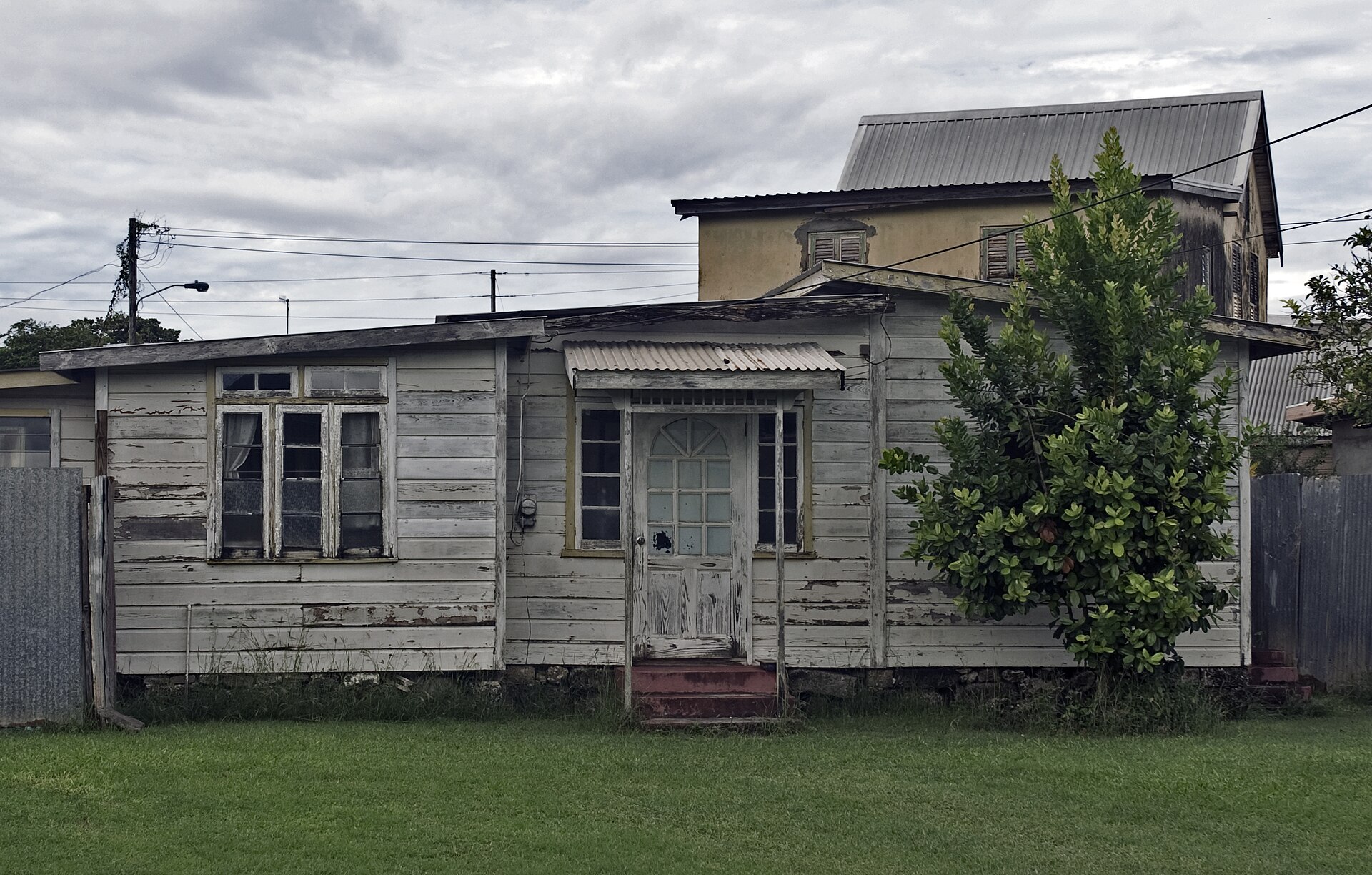
Location matters most. Rent depends heavily on the parish, one of 11 districts. St Michael holds Bridgetown, Christ Church covers the south coast, and St James and St Peter form the west coast.
On 25 September 2026 the lowest-priced long-term listings at Terra Caribbean were US$900 a month. They were a studio and a three-bedroom house in Christ Church and a one-bedroom flat in St James. The other two- and three-bedroom homes on its first page asked US$1,250 to US$1,800.
Terra Caribbean says it has the island’s most extensive rental portfolio. Its 2025 sales report found Christ Church drew 42 percent of home sales, while St James dominated the luxury segment. Expect west-coast villas and beachfront flats to cost several times the entry-level figures.
Numbeo, a crowd-sourced price site, put a one-bedroom in central Bridgetown at BDS$2,367 (about US$1,183) a month in August 2026. A three-bedroom there cost BDS$4,267 (about US$2,133). Its page notes only six contributors in 12 months.
Numbeo’s August 2026 figures put a litre of milk at BDS$8.14 (about US$4.07), roughly US$15 a US gallon. A dozen eggs cost BDS$12.67 (about US$6.34). A pound of chicken fillets cost BDS$8.77 (about US$4.39), and a cheap restaurant meal BDS$40 (US$20).
Electricity bills carry a monthly fuel charge on top of the base tariff. Barbados Light & Power set it at 37.53 Barbados cents per kilowatt hour (about US$0.19) for September 2026. Numbeo users put basic utilities for a mid-sized flat near BDS$390 (US$195) a month.
Petrol has retailed at BDS$4.27 a litre (about US$2.14) since midnight on Sunday 13 September 2026, according to government figures. That equals roughly US$8.08 per US gallon. A bus ride on the state Transport Board costs a flat BDS$3.50 (US$1.75), exact fare only.
Cars are expensive. A 2021 US Commerce Department guide lists a 45 percent import duty on motor vehicles, plus excise tax and an environmental levy. Numbeo users price a new Toyota Corolla at about BDS$70,000 (US$35,000).
Electric vehicles get relief. The budget of 16 March 2026 announced an extension of their VAT and excise holiday to 31 March 2029, according to KPMG. A 10 percent import duty still applies.
Healthcare, schools and banking
The Queen Elizabeth Hospital (QEH) in Bridgetown is the main public hospital. It provides free hospital treatment to citizens and permanent residents. Others may be charged, although urgent treatment is always given first.
That means Welcome Stamp holders, work-permit holders and special-permit holders should budget for private health insurance. The Welcome Stamp and the special entry permit both require it. Get quotes before you move, because premiums vary with age and cover.
The US State Department calls medical care good for the region but warns that very serious injuries often need evacuation. It recommends medical evacuation insurance. The emergency numbers are 211 for police, 511 for ambulance and 311 for fire.
Non-Barbadian pupils need a student visa, according to The Codrington School. Codrington describes itself as the island’s only international school and teaches the International Baccalaureate (IB).
Its 2026–27 fees for students from outside Barbados and CARICOM start at US$12,000 a year in the first primary years. They reach US$23,350 in the upper years. An application fee of US$400 and an admission fee listed at US$2,500 to US$6,000 come on top.
The Central Bank of Barbados lists six commercial banks: CIBC Caribbean, First Citizens, RBC Royal Bank, Republic Bank, Scotiabank and Sagicor Bank. Each sets its own account-opening checks.
Barbados still runs exchange controls through the central bank. Keep records of every transfer you bring in. The Immigration Department asks investors for bank statements showing funds arrived in line with Central Bank rules.
The pegged dollar and taxes on residents
The two-to-one peg makes budgeting simple for anyone paid in US dollars. The central bank backs it with foreign reserves, and it has held for more than 50 years. US dollars are accepted across the island.
Tax follows residence and domicile, not nationality. You become resident by spending more than 182 days in Barbados in a calendar year, according to PwC. Keeping a home there and giving notice that you will stay at least two consecutive tax years also makes you ordinarily resident.
The 2026 budget cut personal income tax rates from income year 2026, says the Barbados Revenue Authority (BRA). After a personal allowance of BDS$25,000 (US$12,500), income up to BDS$75,000 (US$37,500) is taxed at 11.5 percent. Income above that is taxed at 27.5 percent.
On a salary of BDS$75,000 (US$37,500), EY calculates annual income tax of BDS$5,750 (US$2,875). Non-domiciled residents pay tax on local income, and on foreign income only when they bring it in, says Invest Barbados.
Welcome Stamp holders sit outside this system for their remote income. Anyone who turns a stay into residence should take local tax advice before the 183rd day.
Daily life: hurricanes, driving on the left and a young republic
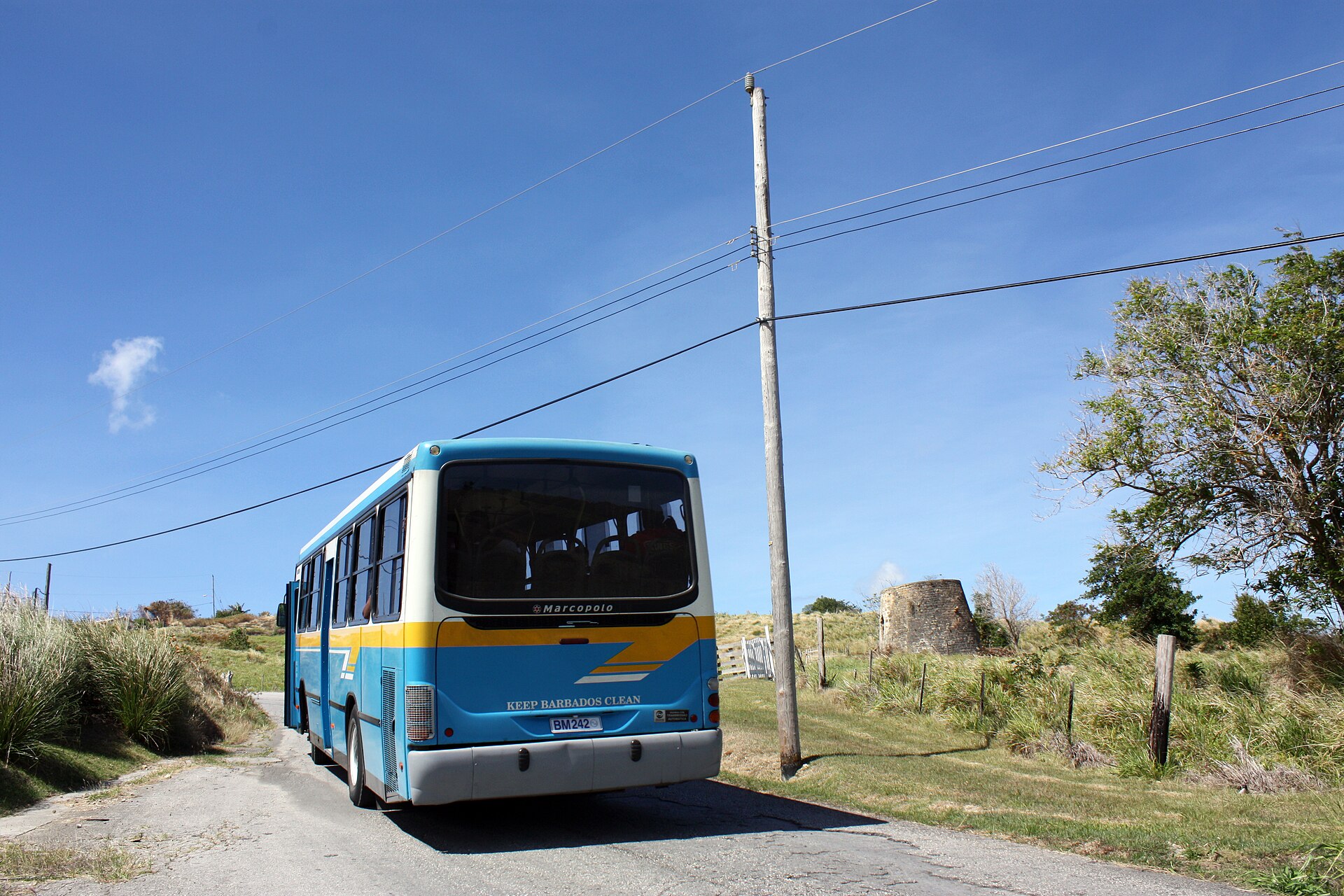
Barbados covers 430 square kilometres, almost two and a half times the area of Washington, DC. With about 283,000 people, that is roughly 660 people per square kilometre.
Barbados became a parliamentary republic on 30 November 2021, replacing the British monarch as head of state. Jeffrey Bostic was sworn in as its second president on 30 November 2025. The prime minister leads the government.
Mia Mottley of the Barbados Labour Party (BLP) has been prime minister since 2018. Her party won all 30 seats in the House of Assembly on 11 February 2026, Reuters reported. It was the BLP’s third clean sweep in a row.
The Atlantic hurricane season runs from 1 June to 30 November. In its 6 August 2026 update, the US weather agency NOAA forecast a 75 percent chance of a below-normal season. A forecast is not a guarantee.
Hurricane Beryl passed about 150 kilometres south of the island on 1 July 2024. United Nations economists put its effects at BDS$193 million (about US$96.5 million). The Fisheries Division says more than 200 fishing boats were damaged or lost.
Traffic drives on the left, and roundabouts are common. Since 15 October 2025 visitors no longer need a visitor driving permit, the BRA says. Car rentals instead carry a levy of BDS$5 (US$2.50) a day, capped at BDS$35 (US$17.50).
The US State Department rates Barbados at Level 1, its lowest advisory, and says petty crime is common in tourist areas. The UK Foreign Office notes a rise in gang-related gun murders, some in public places.
Connected Coverage
Barbados Remote-Work Visa Has Approval Only to December 2026
Cost of Living in Barbados 2026: What Expats Pay from Bridgetown to the West Coast
Healthcare in Barbados for Expats 2026: Queen Elizabeth Hospital, Insurance and Costs
Barbados Lets Foreigners Own Beachfront Land, Central Bank Permitting
Sources: Immigration rules come from the Barbados Immigration Department, the Remote Employment Act, the Welcome Stamp programme and Invest Barbados; tax from the Barbados Revenue Authority; currency and banks from the Central Bank of Barbados; hospital rules from the Queen Elizabeth Hospital; with travel, election, weather and price data from the US State Department, UK Foreign Office, Barbados Parliament, Reuters, NOAA, the United Nations, Barbados Light & Power, Terra Caribbean, The Codrington School and Numbeo. All accessed 25 September 2026.
- immigration.gov.bb
- immigration.gov.bb
- immigration.gov.bb
- immigration.gov.bb
- barbadoswelcomestamp.bb
- oag.gov.bb
- tourism.gov.bb
- investbarbados.org
- barbadosparliament.com
- bra.gov.bb
- bra.gov.bb
- centralbank.org.bb
- centralbank.org.bb
- qehconnect.com
- travel.state.gov
- noaa.gov
What Is Not Known
Whether the Welcome Stamp runs beyond 31 December 2026 is not known. The last published Cabinet decision, of 26 October 2023, renewed it only to that date. The official page still takes applications, so anyone whose stamp would run into 2027 should ask the programme office before paying.
When the Immigration Bill and the Barbados Citizenship Bill will pass, and in what form, is not known. Parliament’s archive lists both at the House of Assembly stage. The points table, fees and transition rules could all change before they become law.
The final fees and thresholds for the special entry permit are not published by the Immigration Department. Advisers quote figures between US$3,500 and US$5,000 and do not agree on which applies to whom. Only the BDS$300 (US$150) application fee is official.
What rent really costs is not measured. Barbados has no official rent index, agency listings are only snapshots, and the best-known crowd-sourced figures rest on six contributors. No reliable parish-by-parish average exists.
How long a work permit takes is not published. Estimates range from weeks to about three months. Nor is it clearly published how long a resident may drive on a foreign licence, now that the visitor permit has gone.
Frequently Asked Questions
How much does the Barbados Welcome Stamp cost in 2026?
The official programme page sets the fee at US$2,000 for an individual and US$3,000 for a family. Applicants must expect at least US$50,000 in income over the 12 months, earned outside Barbados. Approval typically takes seven business days, and the non-refundable fee is due within 28 days of approval.
Can I work for a Barbados company on the Welcome Stamp?
No, the Welcome Stamp covers remote work for employers or clients outside Barbados only. A local job needs a work permit, which the employer applies for through the Immigration Department. The application fee is BDS$300, or US$150, and a final fee follows approval.
How long can Americans stay in Barbados without a visa?
The US State Department says American citizens need no visa for stays of up to six months, with a valid passport and proof of onward travel. The immigration officer on arrival sets the exact stay. Visitors may not work, and longer stays require an extension from the Immigration Department.
Is healthcare free for foreigners in Barbados?
No, the Queen Elizabeth Hospital gives free hospital treatment to citizens and permanent residents of Barbados. Others may be charged, though urgent care is always given first. Welcome Stamp holders and special entry permit holders must carry health insurance, and the US State Department recommends evacuation cover.
How much is rent in Barbados?
There is no official rent index. On 25 September 2026 the lowest-priced long-term listings at Terra Caribbean were US$900 a month, including a studio in Christ Church and a one-bedroom in St James. Numbeo users put a central Bridgetown one-bedroom at about US$1,183 a month, from a small sample.
What currency does Barbados use?
The Barbados dollar, fixed at BDS$2 to US$1 by the Central Bank of Barbados since 5 July 1975. US dollars are widely accepted. Every Barbados dollar price converts to US dollars by halving it.
This article was produced by The Rio Times’ automated newsroom system. How we use AI · Report an error
Read More from The Rio Times