Retire In Barbados 2026 — Permits, Costs, Tax and Free Hospital Care
GUIDES · CARIBBEAN
Key Facts
- —What it is Three separate routes, a one-year remote-work stamp, a discretionary special entry permit, and permanent residence.
- —Who it’s for Older foreigners with assets, a Barbados property, or a foreign pension they can live on.
- —What it costs The Welcome Stamp is US$2,000 a year, and official permit application fees are about US$150.
- —Why it matters Your permit decides your tax position, your hospital entitlement and whether you can stay for good.
- —The catch Barbados publishes almost no asset thresholds for the special entry permit, so officials keep the final say.
To retire in Barbados you need the right permit, a realistic budget and a plan for tax — and the Welcome Stamp is not residence.
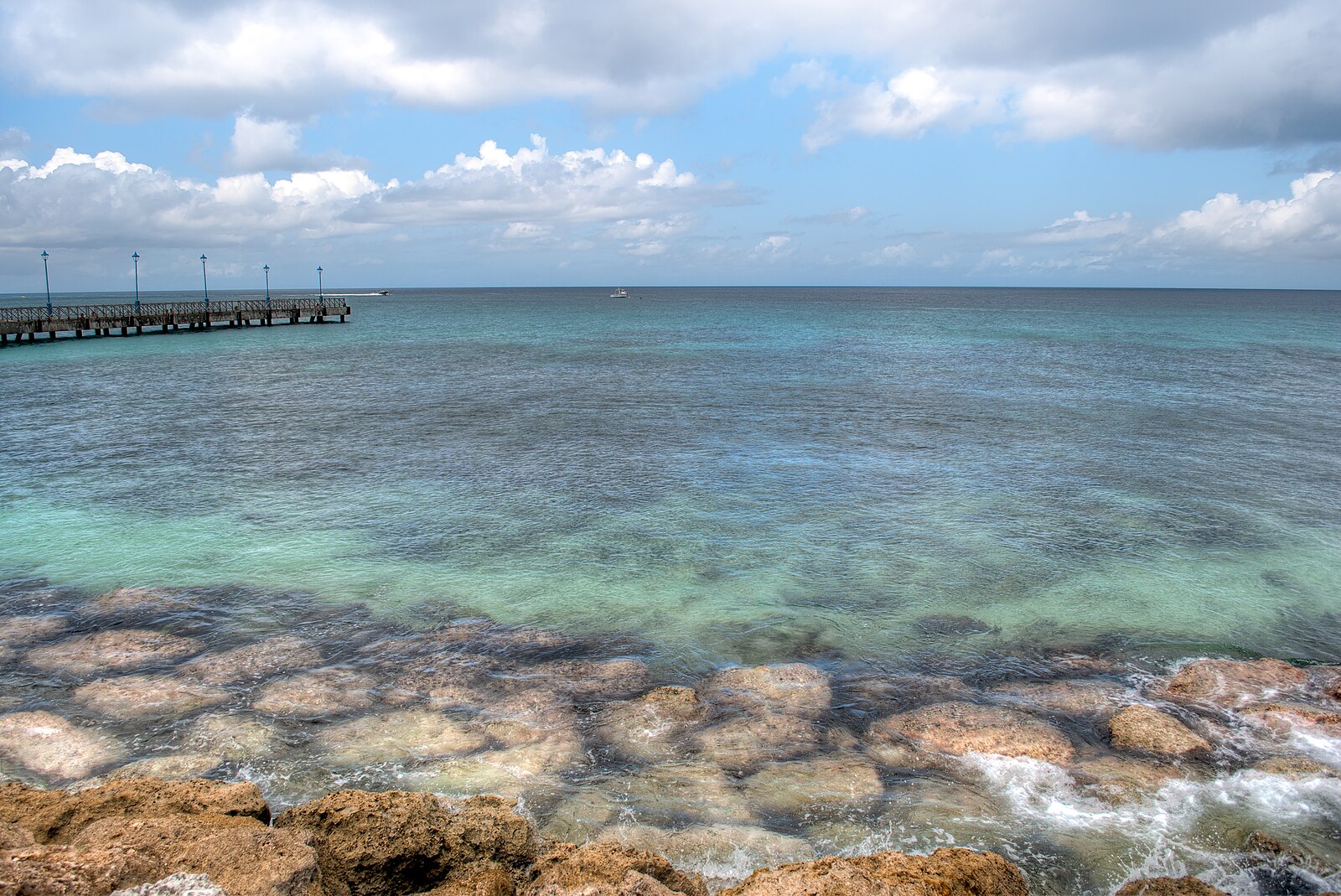
To retire in Barbados in 2026 you choose between a one-year Welcome Stamp, a discretionary special entry permit, and permanent residence. Only permanent residence brings free treatment at the public Queen Elizabeth Hospital, and that is the difference most retirees underrate.
What It Really Means to Retire in Barbados in 2026
Barbados does not run a retirement visa. To retire in Barbados you use one of three doors, and they are not interchangeable.
The first door is the Welcome Stamp, a one-year remote-work permit. The second is the special entry permit, which officials grant at their discretion.
The third is the statutory route, permanent resident status or immigrant status under the Immigration Act. That third door is the one that changes your standing in law.
Money behaves predictably here, which helps. The Barbados dollar has been fixed at two Barbados dollars to the dollar since 5 July 1975.
That peg has held for more than fifty years, and it removes one worry that dominates retirement planning across much of the region.
The Welcome Stamp Is a Trial Year, Not Residence
The Barbados Welcome Stamp is a twelve-month permit for people who work remotely for employers outside Barbados. The official programme page says holders can reapply at the end of the year.
You must show annual income of at least US$50,000 for the twelve months you intend to hold the stamp. The fee is US$2,000 for an individual and US$3,000 for a family bundle.
Holders are not liable for Barbados income tax on that income. They still pay value added tax of 17.5% on what they buy on the island.
The stamp does not make you a resident in the immigration sense. It does not convert into permanent residence, and the official page does not describe it as a route there.
Used well, it is a year of evidence. You learn the electricity bill, the grocery basket and the neighbourhood before you commit money to a house.
The Special Entry Permit and What Barbados Actually Publishes
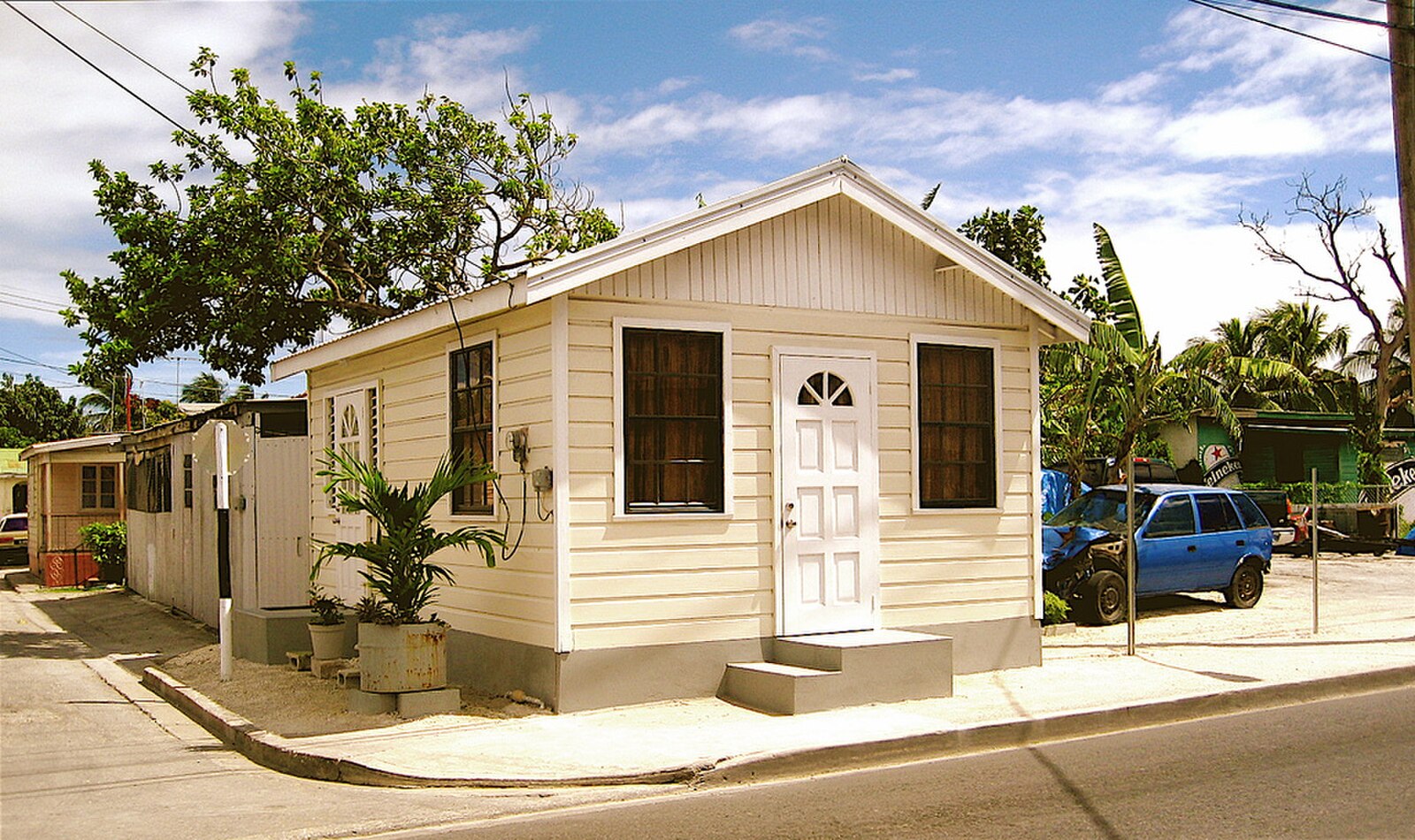
The special entry permit is the route retirees hear about most, and also the one where published detail is thinnest.
The Immigration Department checklist asks for Form B, a birth certificate, and police certificates from each country you lived in recently. It also asks for title deeds, recent land tax bills and proof of financial resources.
Valid health insurance in Barbados is on that list too. The published application fee is 300 Barbados dollars (about US$150) at 23 September 2026 exchange rates.
What the checklist does not publish is an age threshold, a net worth figure or a property value. Those numbers live in the market, not on the government page.
Law firms and estate agents describe two categories, one for large investors and one for property owners. The figures they quote cluster around US$5 million in net worth, US$2 million invested, or a US$300,000 home.
Their permit fees disagree, and the disagreement matters. One adviser applies US$3,500 to applicants over 60, and another applies the same figure to those under 60.
So treat this permit as discretionary rather than as a published programme. Barbados has not legislated the categories, and the immigration authorities can reshape the policy.
Permanent Residence, Immigrant Status and Free Hospital Care
Permanent resident status is the application that changes your daily paperwork. The Immigration Department publishes a fee of 300 Barbados dollars (about US$150) on application.
A final fee of 1,200 Barbados dollars (about US$600) follows approval. Personal cheques are not accepted, and no application is taken without payment.
Immigrant status is a separate category under the Immigration Act, applied for on Form A1. The department checklist cites sections of the Act rather than a plain years-of-residence rule.
Neither page publishes a minimum number of years spent in Barbados. That silence is real, and advisers fill it with estimates of roughly five to seven years.
The payoff for getting status is concrete. The Queen Elizabeth Hospital says it provides free hospital treatment to citizens and permanent residents of Barbados.
Everyone else may be required to pay for hospital treatment. Urgent care is still given first, but the bill follows if you do not hold status.
Two bills laid before Parliament in 2026 would replace the current Immigration Act. They propose a points schedule for permanent residence, and they were not law on 23 September 2026.
Tax Once You Become Resident
Barbados taxes people on residence and domicile, not on nationality. You become resident by spending more than 182 days on the island in a calendar year.
You can also become ordinarily resident by keeping a permanent home here and telling the revenue authorities you intend to stay.
Residents who are also domiciled in Barbados are taxed on worldwide income. Residents who are not domiciled are taxed on Barbados income, plus foreign income brought here.
For the 2026 income year the Barbados Revenue Authority lowered the rates. Income between 25,001 and 75,000 Barbados dollars (about US$12,500 to US$37,500) is taxed at 11.5%.
Income above 75,000 Barbados dollars (about US$37,500) is taxed at 27.5%. People receiving pensions get a personal allowance of 40,000 Barbados dollars (about US$20,000) a year.
Barbados does not tax capital gains. That is one reason people who retire in Barbados accept the income tax rates without much complaint.
This guide covers the residence side only. Our separate Barbados tax guide sets out filing, allowances and treaty relief in more detail.
What a Month Really Costs
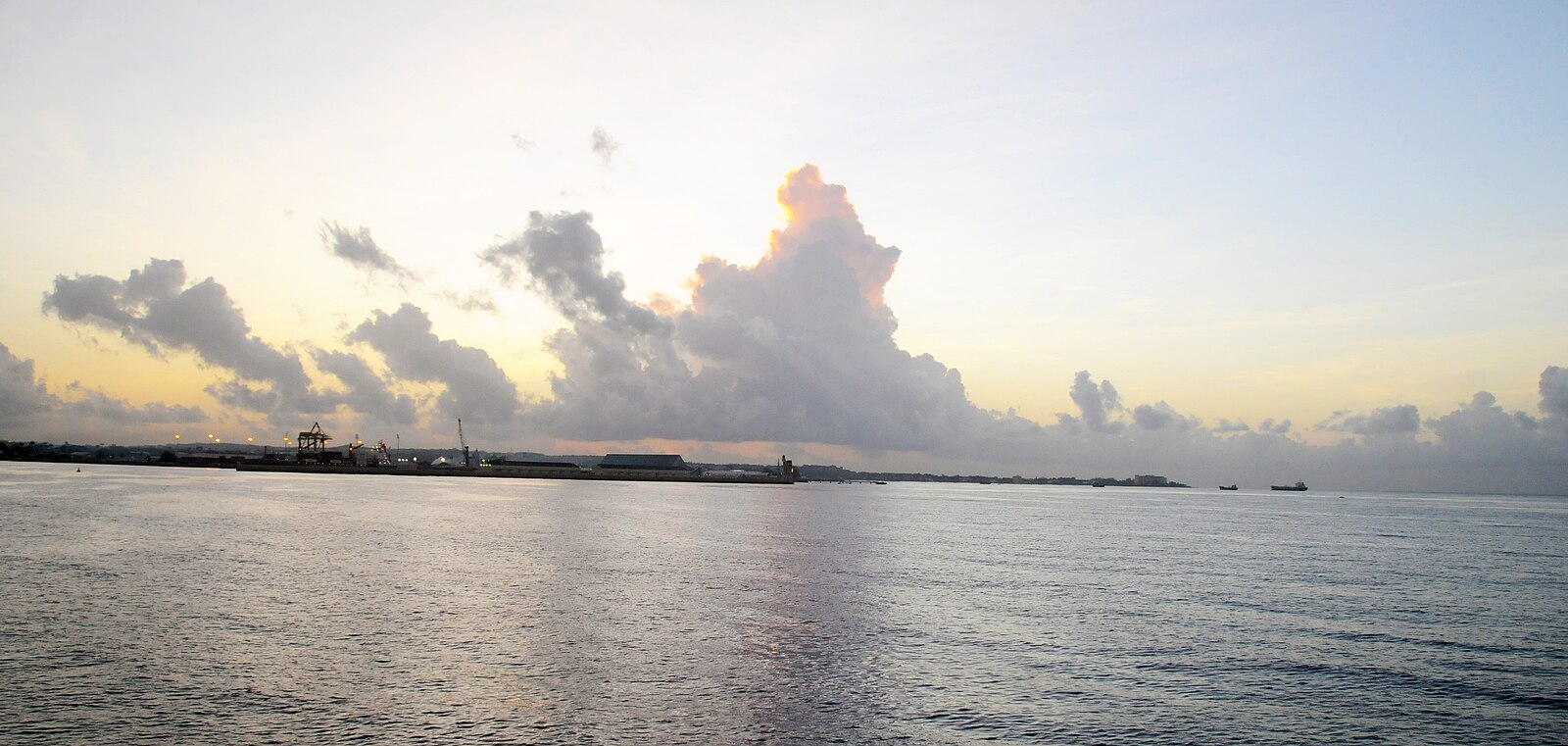
Barbados publishes the components of a retirement budget, not the budget itself. The components are where the surprises live.
Electricity is the first of them. The domestic base energy charge is 19.6 Barbados cents (about US$0.10) per unit in the 151 to 500 unit block.
On top of that sits the fuel clause adjustment, which is recalculated every month. In September 2026 it was 37.5 Barbados cents (about US$0.19) per unit.
So a unit of electricity cost roughly 57 Barbados cents (about US$0.29) before tax that month. Air conditioning turns that number into the largest variable in a retiree budget.
Value added tax of 17.5% sits on most goods and services. Much of the food is imported, so the grocery bill tracks shipping costs rather than local wages.
Land tax is gentler than newcomers expect. Homes valued up to 400,000 Barbados dollars (about US$200,000) pay no land tax at all.
Above that the rate steps up to 1% for homes over 950,000 Barbados dollars (about US$475,000). Private health insurance, a car and storm cover are the other fixed lines.
Buying Property and Getting Your Money Back Out
Foreigners can buy property in Barbados, but the money has to arrive the right way. The Central Bank of Barbados requires permission for a non-resident to purchase real estate here.
The funds must come in through an authorised bank, which issues a credit advice showing they arrived. You register the investment with the Central Bank and receive approval on Form FI.
Keep that form safely. It is what you produce when you want the money out again.
Repatriation is applied for on Form FC through the Central Bank Forex Online system. Non-residents cannot normally borrow locally to buy, which is why the inward transfer matters.
Advisers describe a practical limit on how fast capital leaves the island. They report that the original purchase price plus a mark-up of 4% to 8% goes out first.
Any balance above that leaves in instalments of about US$100,000 a year. That timing, rather than the tax, is what surprises sellers most.
On a sale the seller pays transfer tax of 2.5% on the price above 50,000 Barbados dollars (about US$25,000). Stamp duty adds 1%, and Barbados does not tax the gain itself.
Where Retirees Settle, Storms and How the Island Compares
Most foreign retirees settle on the west and south coasts. The west has calm water, established villas and the longest expatriate history.
The south is busier, flatter and easier to walk. It also has more apartments, which suits people who no longer want a garden.
Hurricane season runs from 1 June to 30 November. Barbados sits far enough east that direct hits are rare, but they are not impossible.
Hurricane Beryl passed the island on 1 July 2024 as a major hurricane. It damaged or destroyed about 90% of the national fishing fleet.
Against the Bahamas, Barbados asks for less money and publishes more of its process. Bahamian economic permanent residence has needed an investment of about US$1,000,000 since 1 January 2025.
Against Portugal, the comparison reverses. Portugal publishes its income thresholds and leads to European residence rights.
People who retire in Barbados trade that for Caribbean living and a currency fixed to the dollar. Neither answer is better, because they answer different questions.
Connected Coverage
Barbados Remote-Work Visa Has Approval Only to December 2026
Barbados Lets Foreigners Own Beachfront Land, Central Bank Permitting
What Is Not Known
Barbados does not publish age, net worth or property thresholds for the special entry permit. The figures quoted by advisers are consistent in shape but not identical in detail.
The permit fees quoted by professional sources conflict with each other. One credible source applies US$3,500 to applicants over 60, and another applies it to those under 60.
Neither the permanent residence page nor the immigrant status page states a minimum number of years in Barbados. Officials decide, and the published guidance does not set the bar.
There is no official monthly cost-of-living basket for a retiree in Barbados. Budgets circulating online are private estimates rather than government figures.
The immigration and citizenship bills before Parliament had not become law on 23 September 2026. How a points schedule would treat existing permit holders is not yet settled.
Sources: Figures come from the Barbados Immigration Department, the official Welcome Stamp programme page, the Central Bank of Barbados, the Barbados Revenue Authority, the Queen Elizabeth Hospital and the Barbados Light and Power tariff schedule.
- immigration.gov.bb
- immigration.gov.bb
- immigration.gov.bb
- visitbarbados.org
- centralbank.org.bb
- bra.gov.bb
- bra.gov.bb
- qehconnect.com
Frequently Asked Questions
Can I retire in Barbados on the Welcome Stamp?
The Welcome Stamp lets you live in Barbados for twelve months while working remotely for an employer abroad. It does not make you a resident in the immigration sense and does not convert into permanent residence. Most retirees use it as a trial year and then apply for a special entry permit or permanent residence.
How much does the Barbados special entry permit cost?
The Immigration Department publishes an application fee of 300 Barbados dollars (about US$150). Higher permit fees of US$3,500 and US$5,000 circulate among law firms and estate agents, but those sources disagree about which age group pays which figure. Barbados does not publish that fee schedule itself.
Do I pay Barbados tax on my foreign pension?
You become resident by spending more than 182 days on the island in a calendar year. Residents who are also domiciled in Barbados are taxed on worldwide income, while residents who are not domiciled are taxed on Barbados income plus foreign income brought here. People receiving pensions get a personal allowance of 40,000 Barbados dollars (about US$20,000) a year.
Is hospital treatment free for foreign retirees in Barbados?
The Queen Elizabeth Hospital says it provides free hospital treatment to citizens and permanent residents of Barbados. Everyone else may be required to pay, although urgent care is still given first. That is why permanent residence matters more to older newcomers than the permit they first arrived on.
How much does electricity cost in Barbados?
The domestic base energy charge is 19.6 Barbados cents (about US$0.10) per unit in the 151 to 500 unit block. A monthly fuel clause adjustment is added on top, and in September 2026 it was 37.5 Barbados cents (about US$0.19) per unit. That put a unit at roughly 57 Barbados cents (about US$0.29) before tax.
This article was produced by The Rio Times’ automated newsroom system. How we use AI · Report an error
Read More from The Rio Times