Taxes in Barbados for Expats 2026 — Rates, Residence and the Welcome Stamp
GUIDES · CARIBBEAN
Key Facts
- —What it is Barbados charges income tax, and your bill depends on residence, domicile and where your money lands.
- —Who it’s for Remote workers on the Welcome Stamp, retirees with foreign pensions, and anyone staying past 182 days.
- —What it costs Nil to BBD 25,000 (about US$12,500), then 11.5%, then 27.5% above BBD 75,000 (about US$37,500).
- —Why it matters A resident who is not domiciled is taxed on foreign income only when a benefit reaches Barbados.
- —The catch The Welcome Stamp lasts 12 months, which is longer than the 182 days that trigger tax residence.
Taxes in Barbados for expats turn on residence and domicile — the Welcome Stamp decides your visa, not your tax bill.
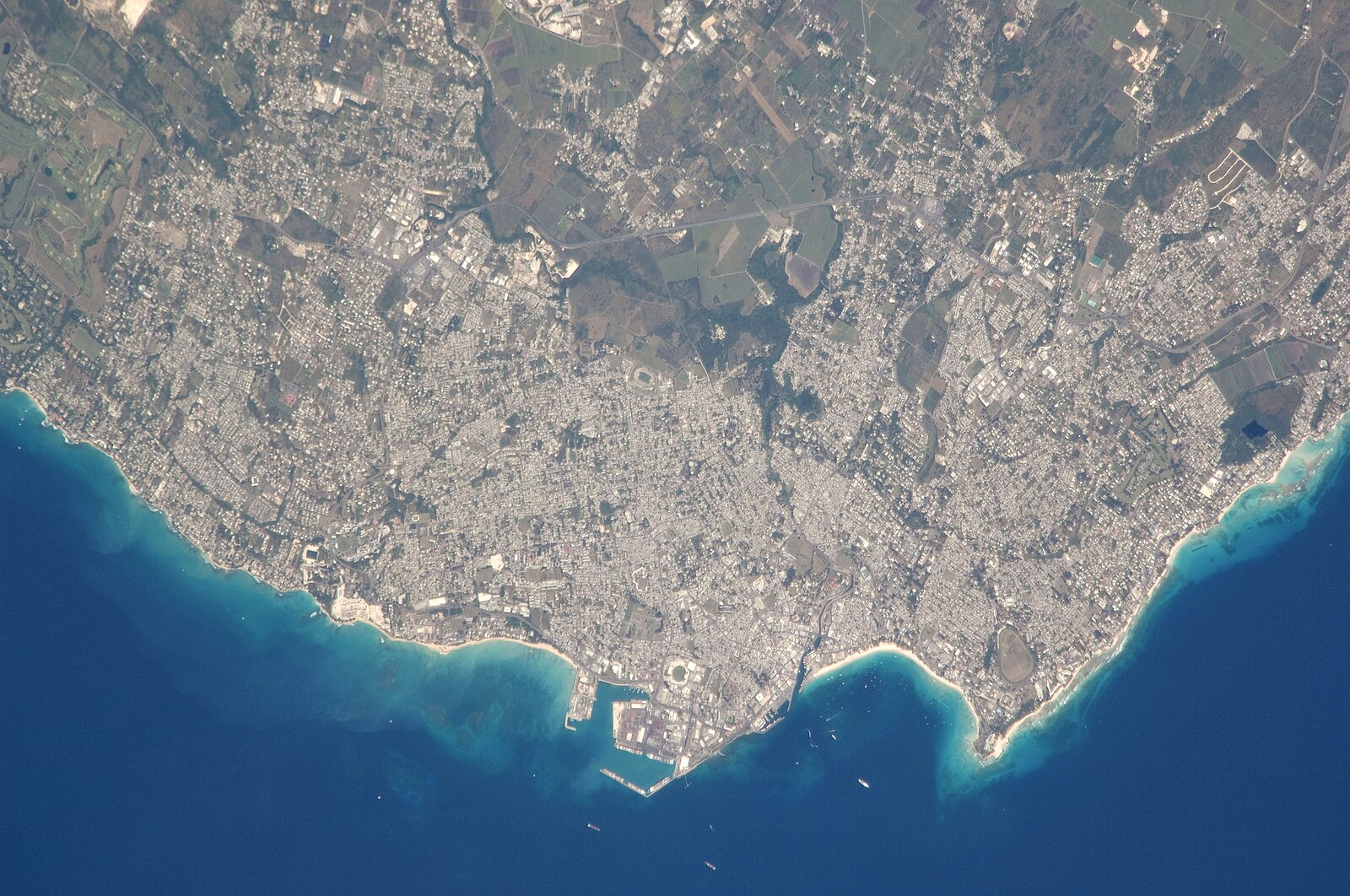
Taxes in Barbados for expats depend on how long you stay and where the law says your permanent home is. Barbados charges income tax, but visitors, residents and domiciled residents are each taxed on a different base.
How the Welcome Stamp Fits Into Taxes in Barbados for Expats
The Barbados Welcome Stamp is a remote-work travel stamp valid for a maximum of 12 months. The official programme page says holders may reapply when the year ends.
The fee is US$2,000 for an individual and US$3,000 for a family bundle. Applicants must show annual income of at least US$50,000 for the year ahead.
The programme page states that holders will not be liable to pay Barbados income tax. It adds that they remain subject to the 17.5% VAT on purchases made on the island.
That is the sentence most people remember, and it is where the difficulty begins. Barbados taxes expats on the basis of residence and domicile, not on the basis of a visa label.
A full 12-month stay is longer than the 182 days that bring a person into tax residence. Anyone planning to stay that long should take advice before day 183, not after.
Residence, Domicile and What Barbados Actually Taxes
The two words that decide taxes in Barbados for expats are residence and domicile. They are separate tests, and each one moves a different part of your income into charge.
PwC’s Worldwide Tax Summaries set out two routes into Barbados tax residence. The first is spending more than 182 days in Barbados during a calendar year.
The second route is ordinary residence — keeping permanent accommodation available for personal use in Barbados. It also requires telling the Revenue Commissioner you intend to reside for two consecutive income years.
Domicile is a separate idea, and PwC describes it as a question of intention. Long-term residence does not by itself change where a person is domiciled.
A non-resident pays tax only on income arising in Barbados, with no personal deductions. That is the simplest position, and it is the one most short-stay visitors hold.
A resident who is not domiciled is taxed on income derived from Barbados. Foreign income is taxed to the extent that a benefit is obtained in Barbados.
A resident who is also domiciled in Barbados is taxed on worldwide income. Two neighbours can therefore face very different bills on identical salaries.
Income Tax Rates and Bands for 2026
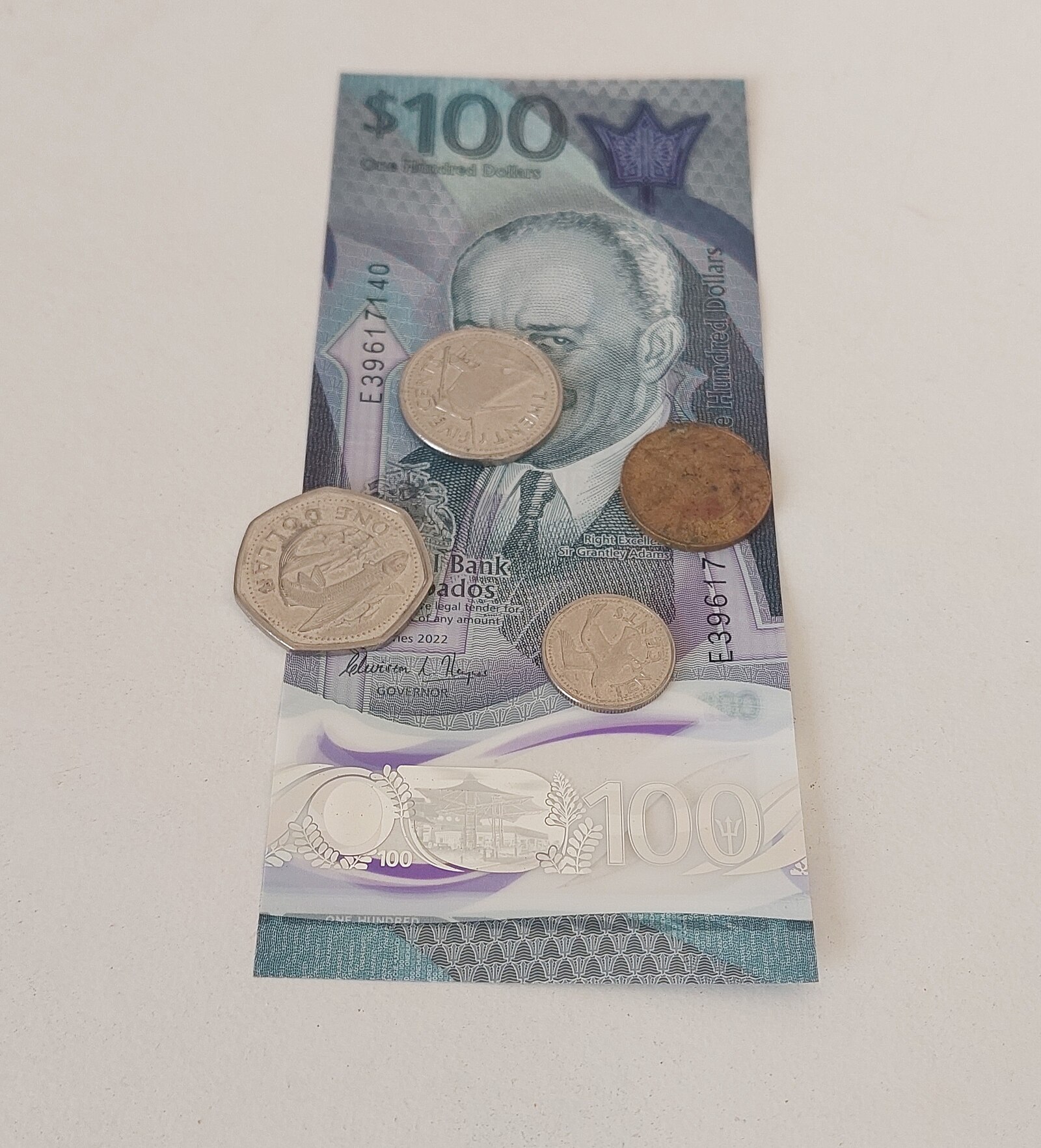
The Barbados Revenue Authority set new personal income tax rates for income year 2026. Income from BBD 25,001 to BBD 75,000 (about US$12,501 to US$37,500) is taxed at 11.5%.
Income above BBD 75,000 (about US$37,500) is taxed at 27.5%. The Authority states that these rates were reduced from 12.5% and 28.5%.
These are marginal rates, so each band only taxes the income that falls inside it. The first BBD 25,000 (about US$12,500) is covered by the personal allowance.
The Barbados dollar is fixed at 2 to the dollar, and conversions here use 23 September 2026 exchange rates.
The direction of travel is downward, but modestly — one percentage point in each band. Nobody should plan a move around a change of that size.
Barbados does not impose capital gains tax, according to PwC’s Worldwide Tax Summaries. That matters for anyone selling shares or property while resident on the island.
The Remittance Basis and Foreign Pensions
The remittance basis is the most important rule for a resident who is not domiciled. Foreign income falls into charge when a benefit is obtained in Barbados.
In plain terms, money kept and spent abroad sits outside the Barbados tax base. Money brought in, or used for something here, can be pulled into charge.
The published guidance does not list every transaction that counts as a benefit obtained in Barbados. A large transfer for a house, a car or school fees is the obvious question.
Foreign pensions follow the same logic, because a pension is simply foreign income. A retiree who leaves the pension abroad sits in a different position from one who banks it here.
This is where taxes in Barbados for expats stop being a question about rates. They become a question about where money sits and how it moves.
VAT, Property Transfer Tax and Land Tax
Beyond income tax, three other taxes reach most expats who settle in Barbados.
The Barbados Revenue Authority gives the most common VAT rate as 17.5%. Hotel accommodation is taxed at 10%, and mobile services at 22%.
Businesses must register for VAT once turnover reaches BBD 200,000 a year (about US$100,000). That threshold matters for anyone running a villa rental or a small consultancy.
On a sale, PwC puts property transfer tax at 2.5% of the gross consideration. Where the land carries a building, the first BBD 150,000 (about US$75,000) is exempt.
Stamp duty of 1% is charged on top, and the seller normally pays both. Buyers should still budget for them, because they shape the price a seller will accept.
Land tax is charged every year on the improved value of the property. The residential rate is nil up to BBD 400,000 (about US$200,000) of value.
Above that, the rate is 0.1% to BBD 550,000 (about US$275,000), then 0.7% to BBD 950,000 (about US$475,000). Anything above that level is charged at 1%.
The zero-rate band was widened from BBD 300,000 to BBD 400,000 (about US$150,000 to US$200,000). The Authority said in August 2026 that bills above the old threshold were being corrected.
Corrected bills carried extended deadlines of 30 September, 30 October and 1 December 2026. Discounts are larger the earlier an owner pays.
National Insurance and What Leaves a Salary
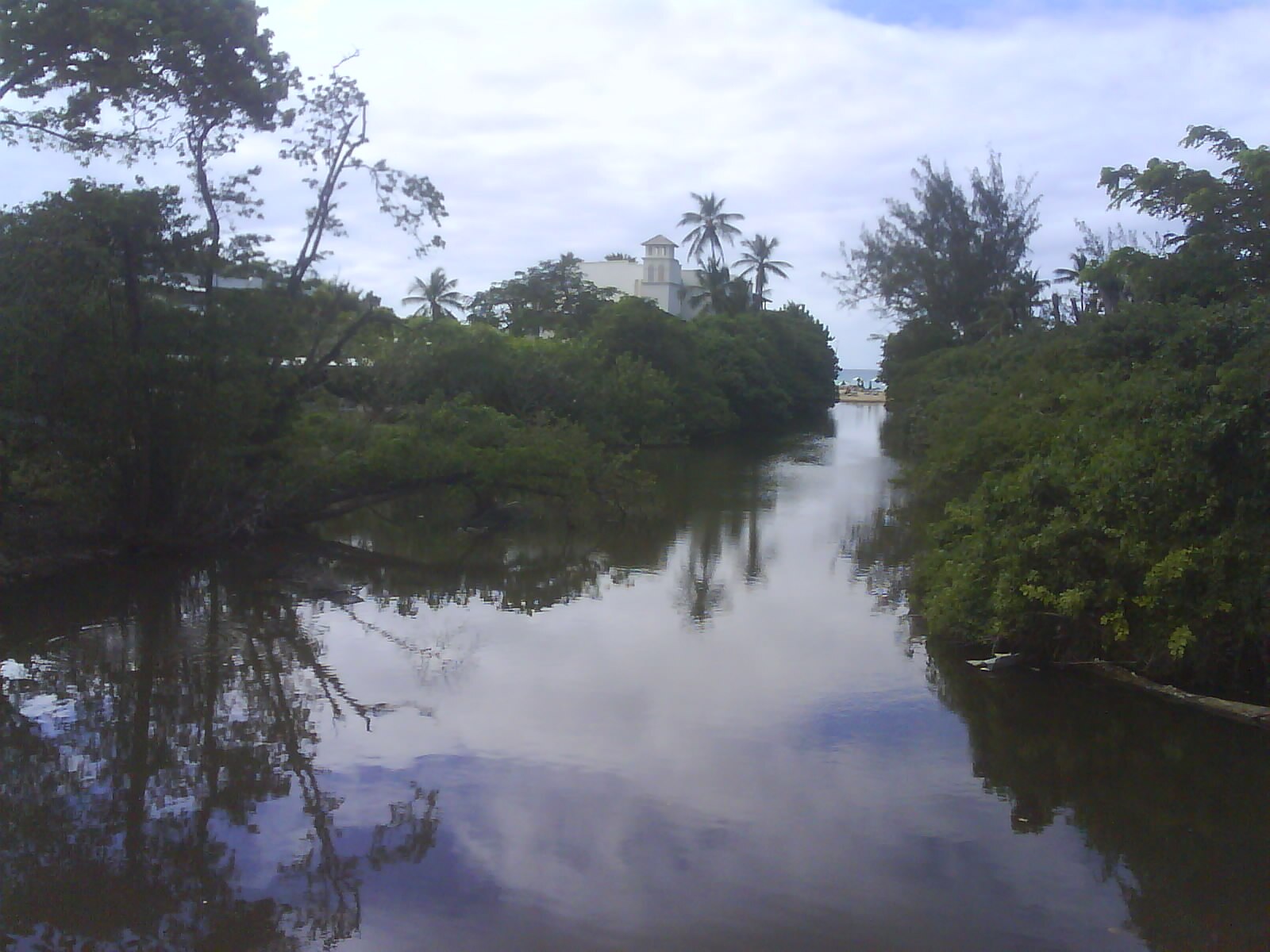
National Insurance sits beside the taxes in Barbados that expats notice most. It is not income tax, but it takes money from the same pay packet.
Employees contribute 11% of insurable earnings and employers contribute 12.75%. Both sides add a further 0.25% for the Resilience and Regeneration Fund.
Self-employed people contribute 17% instead. Contributions stop at the insurable earnings ceiling, which rose for 2026.
The ceiling is BBD 5,360 (about US$2,680) a month, or BBD 1,238 (about US$619) a week. The National Insurance and Social Security Service said contribution rates themselves did not change.
The official Welcome Stamp page addresses income tax, not National Insurance. Holders working for a foreign employer should ask before assuming they sit outside the system.
Treaties, Filing and the Barbados Revenue Authority
The Barbados Revenue Authority lists double taxation agreements with the United States, the United Kingdom and Canada. The list also includes CARICOM, which covers Trinidad and Tobago and other member states.
Treaties shape the taxes that expats pay in Barbados, but they rarely remove a filing duty. A treaty allocates taxing rights and sets out which country must give relief.
The current United Kingdom convention was signed on 26 April 2012 and entered into force on 19 December 2012. It took effect in Barbados from 1 January 2013.
Personal income tax returns go to the Authority by 30 April for the previous calendar year. Self-employed people must file, as must employees earning above BBD 25,000 (about US$12,500).
Contributory pensioners with income above BBD 75,000 (about US$37,500) must also file. Claiming treaty relief usually means paperwork in both countries, and late claims mean waiting for a refund.
Common Mistakes and How Barbados Compares
Most mistakes about taxes in Barbados come from expats reading one rule in isolation. The rules interlock, and the visa is only the first of them.
The commonest error is reading the Welcome Stamp line about income tax as permanent. It describes the stamp, not the residence and domicile tests that follow a long stay.
The second is treating residence and domicile as the same thing. The remittance basis only helps a resident who is not domiciled in Barbados.
The third is forgetting that Barbados-source income stays taxable even when foreign income does not. Local rent, local fees and a local salary are all in scope.
The fourth is quoting the 2025 rates of 12.5% and 28.5% after the 2026 reduction. Old guides and online calculators are slow to update.
Compared with the Bahamas, which has no personal income tax, Barbados looks expensive. Compared with Trinidad and Tobago, at 25% and 30%, the Barbados bands look moderate.
The honest summary is that taxes in Barbados for expats sit in the middle of the Caribbean range. What you pay depends far more on your own status than on the headline rate.
Connected Coverage
Barbados Remote-Work Visa Has Approval Only to December 2026
Barbados Lets Foreigners Own Beachfront Land, Central Bank Permitting
What Is Not Known
Some parts of how Barbados taxes expats are simply not spelled out in public guidance. The gaps below matter most to people planning a stay of a year or more.
The official Welcome Stamp page says holders are not liable for Barbados income tax. It does not explain how that sits with the 182-day residence test for a full 12-month stay.
The same page addresses income tax only, and says nothing about National Insurance for stamp holders. Whether a holder working for a foreign employer has any contribution duty is not stated.
No closing date for the Welcome Stamp is published on the official programme page. Whether the programme continues in its present form beyond 2026 is not officially confirmed.
Published summaries do not set out the pension article or withholding rate in each treaty. Those details vary from one agreement to the next and need checking case by case.
Sources: Figures here come from the Barbados Revenue Authority, the National Insurance and Social Security Service, the official Barbados Welcome Stamp page, the Central Bank of Barbados and PwC’s Worldwide Tax Summaries.
Frequently Asked Questions
Do Welcome Stamp holders pay income tax in Barbados?
The official Barbados Welcome Stamp page states that holders will not be liable to pay Barbados income tax. The same page says they remain subject to the 17.5% VAT on purchases made on the island. The stamp is an immigration permission, and it does not replace the residence and domicile tests in tax law.
When do you become tax resident in Barbados?
PwC’s Worldwide Tax Summaries set out two routes into Barbados tax residence. The first is spending more than 182 days in Barbados during a calendar year. The second is ordinary residence, which means keeping permanent accommodation available and notifying the Revenue Commissioner of an intention to reside for two consecutive income years.
What are the Barbados income tax rates for 2026?
For income year 2026, the Barbados Revenue Authority taxes income from BBD 25,001 to BBD 75,000 at 11.5%. Income above BBD 75,000 is taxed at 27.5%. The Authority states that these rates were reduced from 12.5% and 28.5%, and the first BBD 25,000 is covered by the personal allowance.
How does the remittance basis work in Barbados?
A resident who is not domiciled in Barbados is taxed on income derived from Barbados. Foreign income is taxed to the extent that a benefit is obtained in Barbados. Money kept and spent abroad sits outside the tax base, while money brought in can be pulled into charge.
How much is land tax in Barbados?
The residential rate is nil up to BBD 400,000 of improved value, then 0.1% to BBD 550,000. It is 0.7% to BBD 950,000, and 1% above that level. The zero-rate band was widened from BBD 300,000, and the Authority said in August 2026 that affected bills were being corrected.
Does Barbados tax foreign pensions?
A foreign pension is foreign income, so it follows the same rule as other overseas receipts. For a resident who is not domiciled, it is taxed to the extent that a benefit is obtained in Barbados. A resident who is domiciled in Barbados is taxed on worldwide income.
This article was produced by The Rio Times’ automated newsroom system. How we use AI · Report an error
Read More from The Rio Times