Morocco Votes on 23 September With Turnout the Real Test
MOROCCO · ELECTIONS
Key Facts
- —What is being elected All 395 seats in Morocco’s Chamber of Representatives, the lower house of parliament.
- —When Wednesday 23 September, after a campaign that began on 10 September.
- —Who is standing 7,288 candidates on 1,850 lists, from 28 political formations.
- —How the seats work 305 are local constituency seats. The other 90 come from regional lists reserved for women.
- —Who is staying out Al Adl Wal Ihsane, the largest Islamist movement, which has called on its supporters to abstain.
- —What the king does Morocco is a monarchy where the king holds real power. Parliament governs within limits he sets.
Morocco votes for a parliament that governs but does not rule. The number the palace will read afterwards is not the winner’s share, but how many people bothered to turn up.
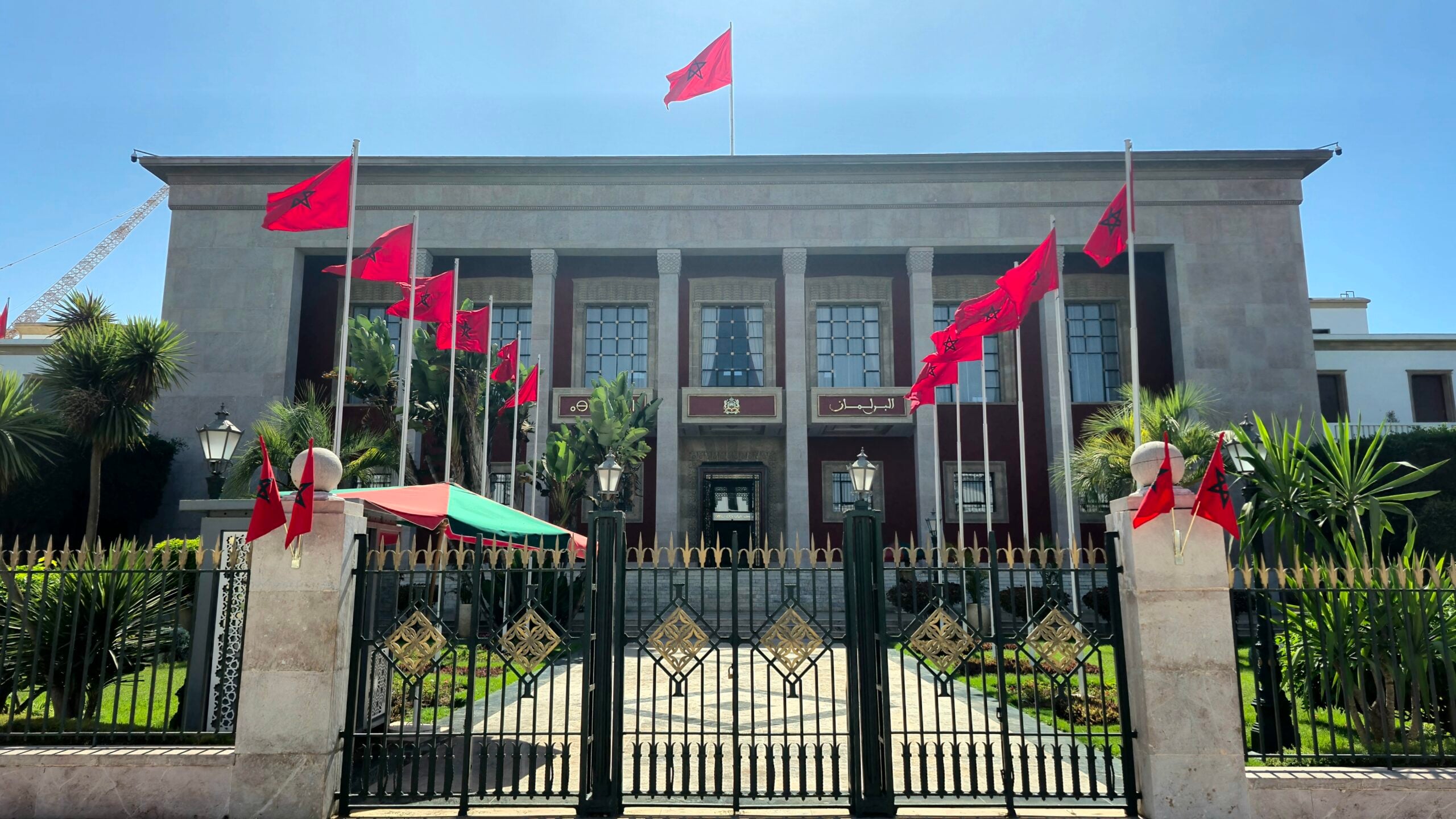
Moroccans elect a new parliament on 23 September. Twenty-eight political formations are competing, and the country’s largest Islamist movement is telling people to stay home.
The Mechanics
Polling day is Wednesday 23 September, set by decree. The campaign period runs 13 days, from 10 to 22 September.
The Chamber of Representatives has 395 seats. Of those, 305 are elected in local constituencies.
The remaining 90 come from regional lists that are reserved entirely for women, a quota built into the electoral law.
The interior ministry counts 7,288 candidates across 1,850 lists. Women make up 36.47% of them.
About 15.8 million voters are registered.
Who Is In and Who Is Out
Twenty-eight political formations are fielding candidates, including alliances formed for this election. Twenty-seven were allocated broadcast time, which is where the smaller figure in circulation comes from.
The Justice and Development Party is contesting, led by Abdelilah Benkirane. It governed Morocco from 2011 to 2021 and then lost more than 90% of its seats in a single election.
Al Adl Wal Ihsane announced on 9 September that it would boycott. It called the system incapable of genuine democracy and cited what it described as the renewal and expansion of authoritarianism and corruption.
That movement is not a registered party and could not have stood in any case. It rejects the constitutional order and the monarchy’s religious authority.
Its boycott is therefore a call to voters rather than a withdrawal of candidates, and it is aimed squarely at turnout.
Why Turnout Is the Number That Matters
Morocco is a constitutional monarchy. King Mohammed VI appoints the prime minister from the largest party, and keeps authority over religion, defence and foreign policy.
Parliament makes law and manages the economy. It does not decide the direction of the state.
That arrangement depends on elections being seen as meaningful. Low turnout undermines it more effectively than any opposition victory.
Turnout was 50.35% in 2021 and 42.29% in 2016. A movement with the reach of Al Adl Wal Ihsane calling for abstention is aimed at exactly that number.
The Western Sahara Backdrop
Morocco’s central foreign policy objective is recognition of its autonomy plan for Western Sahara, the territory it has controlled since 1975.
On 4 September in Copenhagen, Danish Foreign Minister Lars Løkke Rasmussen received his Moroccan counterpart Nasser Bourita and called the plan credible.
He described it as a good basis for a mutually agreed solution, and as a serious contribution to the United Nations process.
Denmark first endorsed the plan in September 2024, so this was a reaffirmation rather than a shift.
The timing has weight anyway. Security Council Resolution 2797 renewed the UN mission to 31 October 2026, so a renewal debate is due in late October.
What to Watch on the Night
The first figure to appear will be participation. It will be read as a verdict on the system rather than on any party.
The second is whether the Justice and Development Party recovers any of the ground it lost in 2021.
The third is the shape of the coalition. No Moroccan party has won a majority alone in the modern era, and the palace has a role in what follows.
Foreign residents and businesses will see little immediate change. Economic policy in Morocco has been notably consistent across governments of different colours.
More: Africa news and analysis, every day from The Rio Times.
Frequently Asked Questions
When does Morocco vote?
Wednesday 23 September 2026, after a 13-day campaign that began on 10 September.
How many seats are contested?
395 in the Chamber of Representatives: 305 local seats and 90 from regional lists reserved for women.
How many parties are standing?
Twenty-eight formations are fielding candidates. Twenty-seven received official broadcast campaign time.
Who is boycotting?
Al Adl Wal Ihsane, the largest Islamist movement. It is not a registered party and could not have contested.
Is the PJD standing?
Yes, led by Abdelilah Benkirane. It governed from 2011 to 2021 before losing over 90% of its seats.
What power does parliament have?
It legislates and manages the economy. The king retains authority over religion, defence and foreign policy.
Sources: Maroc.ma, Moroccan Interior Ministry, Le Matin, Le Desk, Morocco World News, UN Security Council.
This article was produced by The Rio Times’ automated newsroom system. How we use AI · Report an error
Read More from The Rio Times