Mexico Nearshoring Explained: Record FDI, the USMCA Review and What Could Stop It
GUIDES · MEXICO
Key Facts
- —The country Mexico is Latin America’s second-largest economy and the largest single supplier of goods to the United States. In 2025 it sold the US goods worth US$534.3 billion, 15.7 percent of all US imports.
- —What it is Nearshoring means moving production closer to the final customer. For Mexico it means factories that once served the US from Asia now serving it from across the border, under USMCA rules.
- —The numbers Foreign direct investment reached a record US$40.9 billion in 2025, and US$35.0 billion in the first half of 2026. Only US$2.7 billion of that half-year figure was fresh money for new projects.
- —Why it matters A large share of the cars, fridges, televisions and medical devices sold in North America now has a Mexican stage in its supply chain. What happens in Mexico shows up in US prices and European carmakers’ margins.
- —The catch Washington did not renew the USMCA at its July 2026 review. Electricity, water and road security are also running short in the industrial north.
- —What to watch The US–Mexico round in Washington on 28–29 September 2026 and the US midterms on 3 November. The next annual USMCA review falls on 1 July 2027.
Mexico nearshoring explained without the hype: why factories moved south of the US border and what the investment figures really measure. Plus what the USMCA review, tariffs and a stretched grid mean next.
Mexico nearshoring is why so many goods sold in the US, including those of European firms, now pass through Mexican factories. It rests on one trade agreement, one border and one grid. All three are under strain in 2026.
What nearshoring means and why Mexico
Nearshoring is the relocation of production closer to the customer. Offshoring sent assembly to China in the 2000s. Nearshoring brings part of it back to the doorstep of the United States, without returning it to high-cost US plants.
Mexico offers three things no Asian rival can match. It shares a land border of about 3,100 kilometres with the world’s largest consumer market. Its goods can enter the US duty-free under the United States–Mexico–Canada Agreement (USMCA). And its factory wages remain far below those north of the border.
The idea is not new. Mexico’s export assembly plants, the maquiladoras, date back to the 1960s. The North American Free Trade Agreement (NAFTA) took effect on 1 January 1994. That year, US imports from Mexico totalled US$49.5 billion, according to the US Census Bureau.
What changed after 2018 was politics. US tariffs on China, pandemic shipping chaos and pressure to cut dependence on Beijing pushed companies to add a North American plant. The shorthand for that shift became “nearshoring”, and Mexico became its main destination.
How the USMCA makes it work
The USMCA replaced NAFTA on 1 July 2020. It keeps most trade between the three countries duty-free. The price of that access is the rules of origin: a product must contain enough North American content to qualify.
For cars, the regional value content requirement stands at 75 percent. That rule explains why suppliers of seats, wiring and engines cluster around Mexican assembly plants. A Chinese part can be used, but too many of them and the car loses its duty-free status.
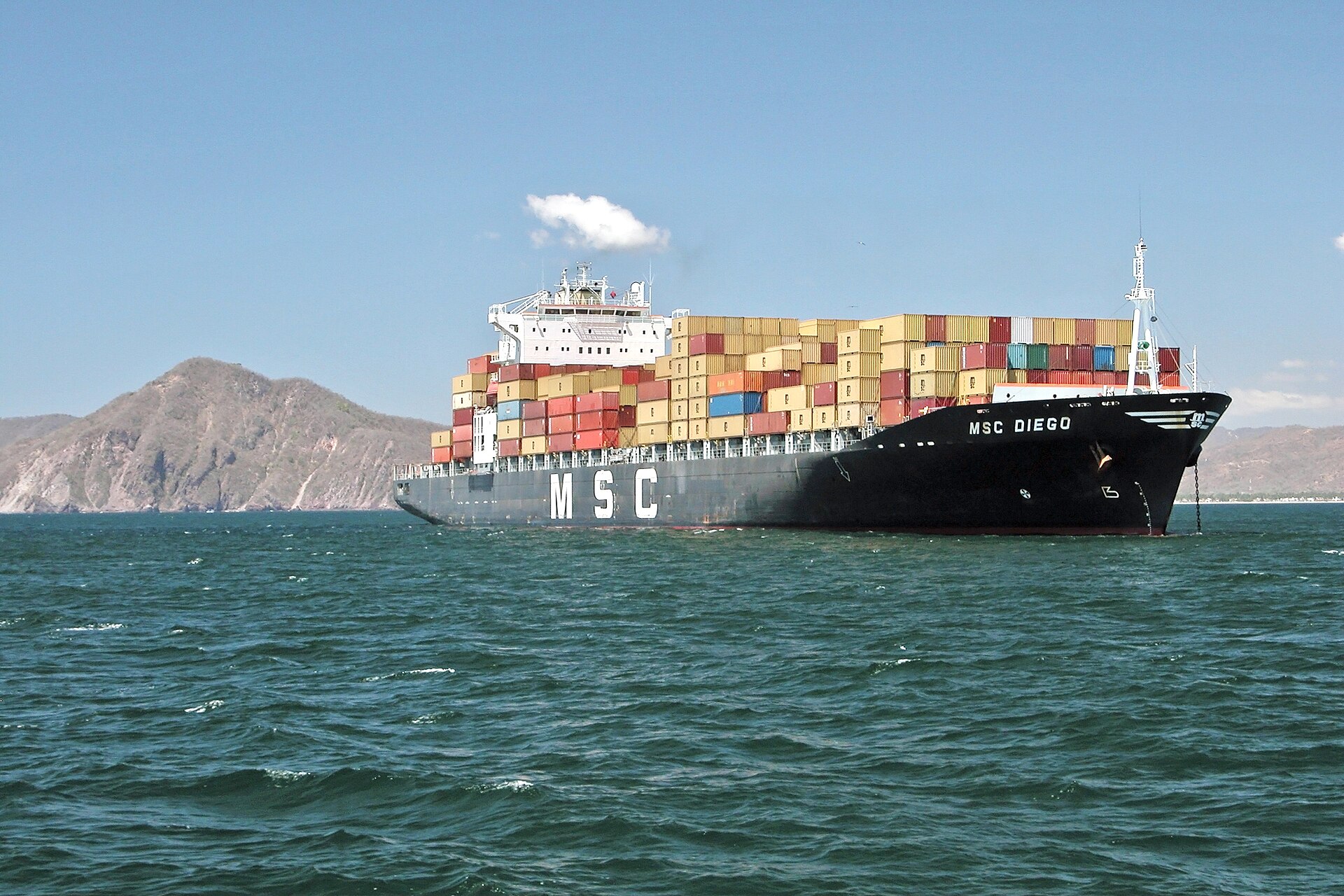
This is the core of the nearshoring business model. A company imports components, often from Asia through Pacific ports such as Manzanillo, adds enough local work and ships the result north. The margin depends on staying on the right side of the origin rules.
It also explains Washington’s main complaint. US officials argue that too much Chinese content flows through Mexico into North American goods. Much of the 2026 review is about tightening that door rather than closing Mexico’s.
The numbers: trade and investment
Trade shows the scale best. US Census Bureau data put US imports from Mexico at US$534.3 billion in 2025, up from US$343.7 billion in 2018. That is an increase of about 55 percent in seven years.
US exports to Mexico reached US$337.3 billion in 2025, leaving a US goods deficit of US$197.0 billion. Mexico was the largest source of US imports, with 15.7 percent, ahead of Canada at 11.2 percent and China at 9.0 percent.
The trend continued in 2026 despite the tariff noise. From January to July, US imports from Mexico reached US$358.7 billion, about 16 percent more than a year earlier. US exports to Mexico rose by a similar margin, to US$229.8 billion.
What the investment figures really say
Mexico’s Secretaría de Economía reported record foreign direct investment (FDI) of US$40.87 billion in 2025, up 10.8 percent. New investment, the money that builds fresh plants, more than doubled to US$7.38 billion, or 18 percent of the total.
The United States supplied US$15.9 billion, or 38.8 percent, followed by Spain with US$4.4 billion. Reinvested profits made up 67.7 percent of the year’s inflow. Loans between parent companies and subsidiaries made up the remaining 14.3 percent.
The first half of 2026 set another record, at US$34.97 billion, up 2.1 percent. But 88.5 percent of it was reinvested profit from firms already in Mexico. New investment was only US$2.73 billion, or 7.8 percent.
That split matters more than the headline. Reinvestment shows existing factories are expanding and profitable. It does not show new companies arriving, which is what the word nearshoring usually implies.
Location data needs care too. Mexico City took 48.2 percent of first-half inflows. That mostly reflects where companies keep their head offices, not where their factories stand. Manufacturing received US$13.5 billion, or 38.6 percent, up 9.3 percent.
Industrial parks: where the factories go
Most nearshoring happens inside private industrial parks. Developers build roads, substations, water treatment and ready-made warehouses, then lease them to manufacturers. It lets a foreign firm start production in months rather than years.
The Mexican Association of Private Industrial Parks (AMPIP) counts 477 parks in operation in 28 states and 103 more under construction in 14. Its members plan about US$5.83 billion of investment in 2026, roughly 50 percent more than the year before.
Demand has cooled from its peak, however. Net absorption of industrial space hit five million square metres in 2023, then fell to 3.3 million in 2025. AMPIP director general Claudia Esteves has called 2025 “a complex year” in which many investments were paused.
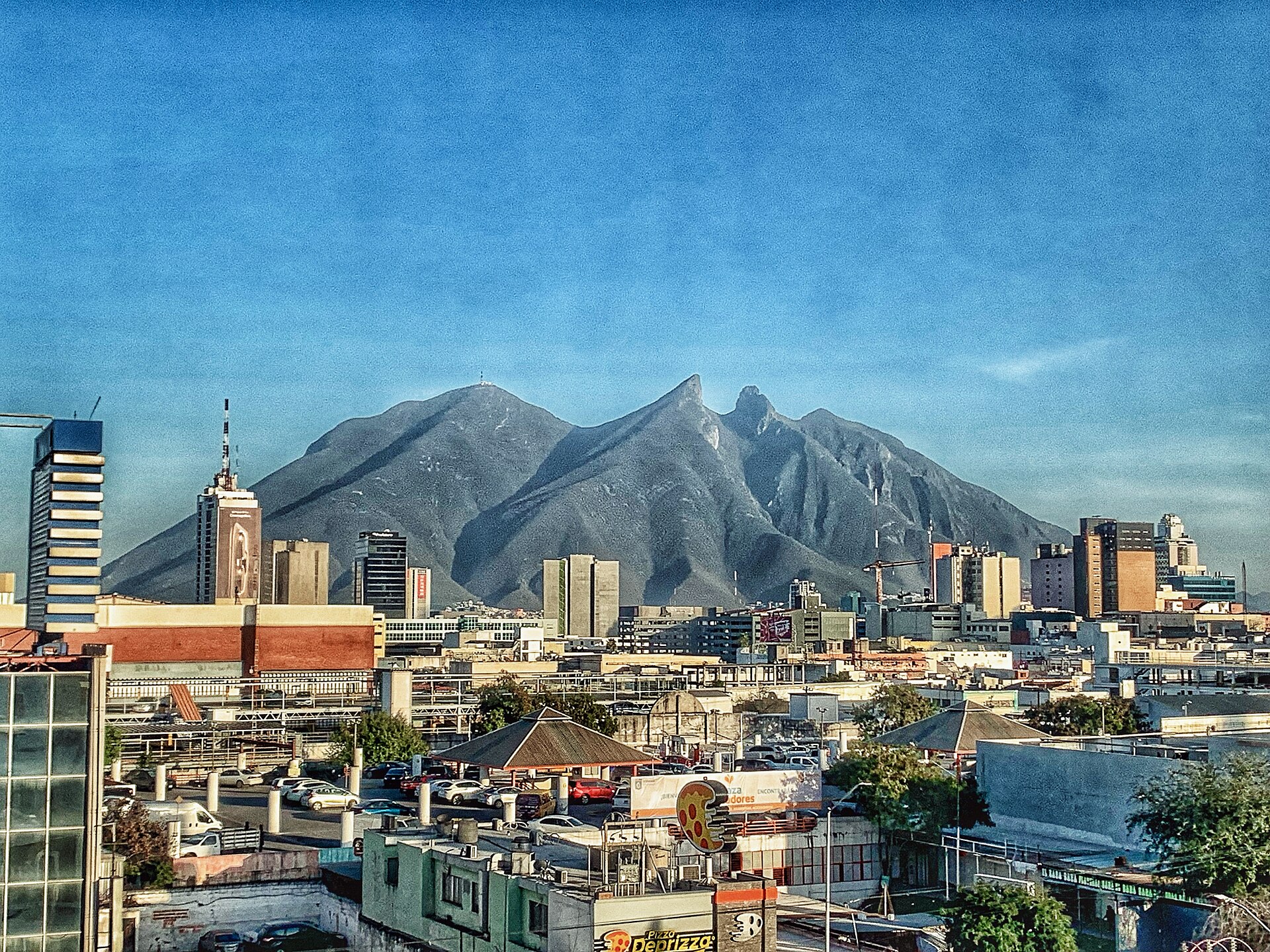
Geography follows the border and the highways. Nuevo León, around Monterrey, is the standout. It drew US$3.6 billion of FDI in 2025, up 72.9 percent, and US$3.7 billion in the first half of 2026. AMPIP also lists a strong park presence in the Bajío states of Guanajuato, Querétaro, San Luis Potosí and Aguascalientes.
Tariffs: the US rules that shape the deal
US tariff policy has changed several times since early 2025, and Mexico’s treatment has shifted with it. The constant is simple. Goods that meet USMCA rules have mostly been spared the general surcharges. Goods that do not have paid them.
The US Supreme Court struck down tariffs imposed under emergency powers on 20 February 2026, in Learning Resources v. Trump, by six votes to three. That removed the so-called fentanyl tariffs on non-USMCA Mexican goods.
A temporary 10 percent surcharge under Section 122 of the Trade Act followed from 24 February, with USMCA goods exempt. When it expired on 23 July 2026, new Section 301 tariffs replaced it from 24 July for 60 economies. Mexico was placed in the 10 percent group, and USMCA-qualifying goods remain exempt.
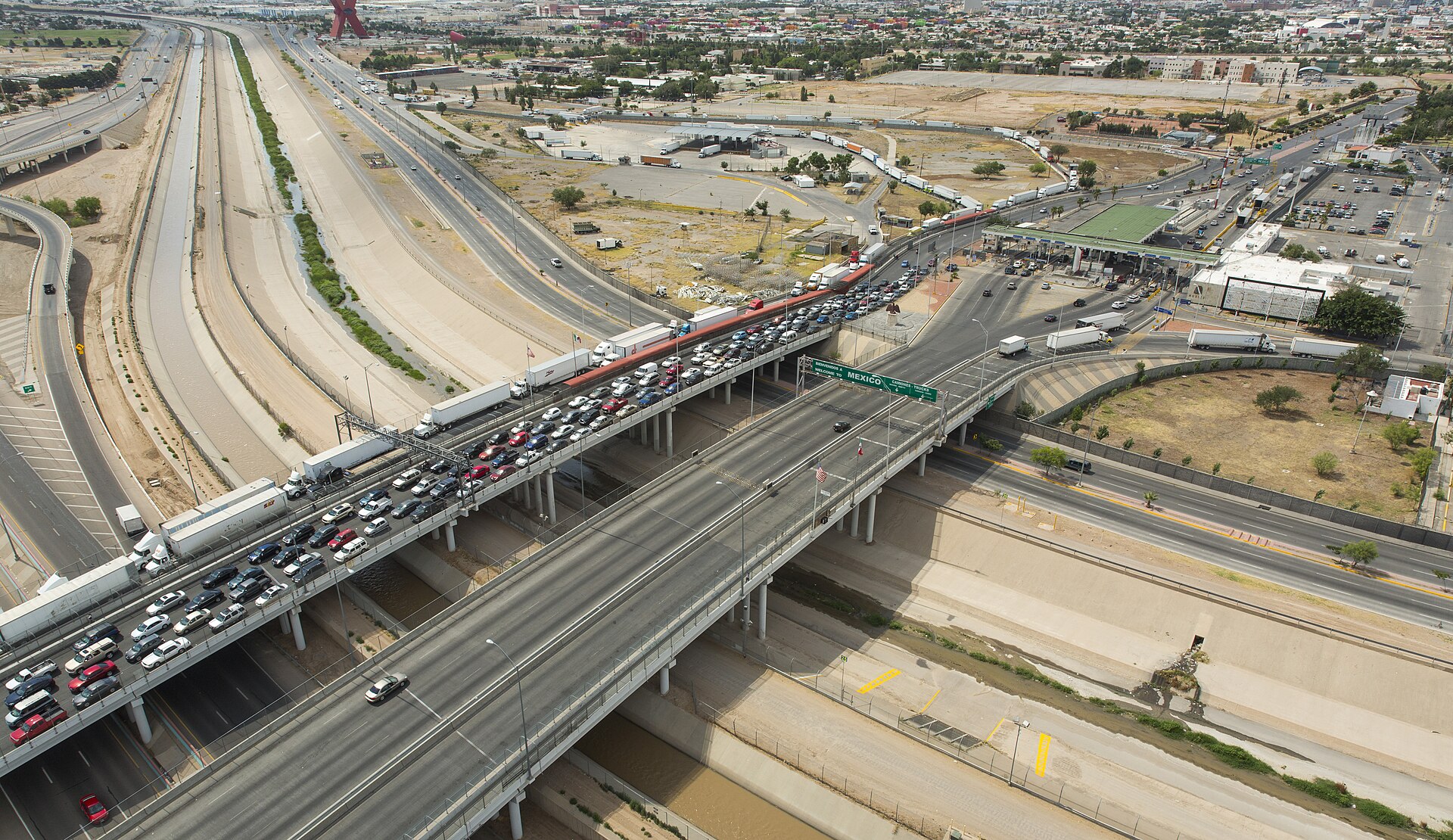
Sector tariffs under Section 232 sit on top and matter most for heavy industry. Steel and aluminium face 50 percent. Vehicles and parts face 25 percent, with USMCA-qualifying cars charged only on their non-US content.
Mexico has also moved closer to the US line on China. In December 2025 its Congress approved tariffs of up to 50 percent on more than 1,400 products. They hit countries without a trade agreement with Mexico, China chief among them.
The 2026 USMCA review
The USMCA contains its own clock. Six years after entry into force, the three governments must jointly review it and confirm whether to extend it for another 16 years. That review fell on 1 July 2026.
Mexico and Canada backed an extension. The United States did not. US Trade Representative Jamieson Greer said Washington “did not agree to renew the USMCA in its current form”. The treaty stays fully in force, but the parties must now review it every year.
If never extended, the agreement expires on 1 July 2036. The parties can still extend it at any later point by written confirmation from their heads of government. That leaves room for a deal without a formal renegotiation.
Washington chose bilateral talks. Negotiators met in Mexico City on 28–29 May, in Washington on 16–17 June and in Mexico City on 21–23 July. According to the Americas Society/Council of the Americas, the US has proposed raising the car rule to 82 percent regional content. Half would have to come from the United States itself.
As of 23 September 2026, a fourth round is set for Washington on 28–29 September, one week later than first planned. Presidents Claudia Sheinbaum and Donald Trump spoke by phone on 16 September. Both sides called the talks positive but confirmed no terms.
The bottlenecks: power, water and security
Electricity
Power is the tightest constraint. According to the Mexican Institute for Competitiveness (IMCO), electricity demand grew 3.4 percent in 2022 and 3.5 percent in 2023. The transmission network grew by only about 0.1 percent in each of those years.
AMPIP says its 477 operating parks need 17,708 megawatts of capacity. The 103 parks under construction will need another 3,455 megawatts between 2026 and 2029. Developers often pay for their own substations because the public grid cannot connect them in time.
The government’s answer is a state-led plan. President Sheinbaum presented a 2025–2030 electricity plan on 5 February 2025. It foresees an estimated US$22.4 billion for 22,674 megawatts of new capacity from the state utility CFE. Private firms were assigned a further 6,400 megawatts.
The plan also included 65 transmission expansion projects worth 46,611 million pesos (about US$2.6 billion, at 17.90 pesos per US dollar on 29 September 2026). Washington has raised energy policy in the review talks, including the rule that keeps CFE’s share of generation at 54 percent.
Water and security
Water is the second limit, and it bites hardest in the north, where factories cluster. Monterrey suffered severe household water shortages in 2022. The episode showed how quickly industrial growth and drought can collide.
Industry argues its share is small. AMPIP says industrial parks account for about 5 percent of national water use and that most treat and reuse their own water. The sector says it is working with authorities on clear rules for water use.
Security is the third factor. Esteves has described cargo theft on highways as “one of the inhibitors that companies always mention”. Firms price it in through insurance, escorts and route planning, which erodes part of Mexico’s cost advantage.
Winners, losers and what to watch
The winners so far are the northern border states, the Bajío and the logistics chain linking them to Texas. Established manufacturers have expanded most, largely by reinvesting profits.
The south has drawn far less. None of the top five states for first-half 2026 inflows lies there. Suppliers that depend heavily on Chinese components are the most exposed to stricter origin rules. So are steelmakers and aluminium processors, which face 50 percent US duties.
The key dates are close. The Washington round on 28–29 September will show whether a framework deal is near. Both governments have signalled they would like one before the US midterm elections on 3 November 2026.
After that, watch the Secretaría de Economía’s third-quarter investment release, and especially its new-investment line. Monthly Census trade data show whether exports keep growing. The next USMCA review falls on 1 July 2027.
Connected Coverage
Mexico Explained: The Country, Its Politics, Its Economy and What to Watch
Who Is Claudia Sheinbaum? Mexico’s President Explained: Her Path, Her Policies and What to Watch
Mexico and US Close In on Trade Deal After Trump–Sheinbaum Call
Mexico FDI Record Hides 13.4% Drop in New Investment
Mexico’s State Power Firm Charts US$39.8 Billion Power Expansion Through 2030
Mexico Water Crisis Could Cost Up to 5% of GDP, Experts Warn
Sources: Investment data from Mexico’s Secretaría de Economía, trade data from the US Census Bureau, the USMCA review from the Office of the US Trade Representative, industrial-park data from AMPIP, and grid data from IMCO and the CFE expansion plan. All accessed 23 September 2026.
- Secretaría de Economía — foreign direct investment in 2025, US$40.87 billion
- Secretaría de Economía communiqué 79 (24 August 2026) — FDI January–June 2026, as reproduced by Stratego
- US Census Bureau — trade in goods with Mexico, 1985–2026
- Office of the US Trade Representative — joint statement by Jamieson Greer and Marcelo Ebrard, 23 July 2026
- White & Case — USMCA 2026 joint review and the switch to annual reviews
- Americas Society/Council of the Americas — tracking the US–Mexico talks in the USMCA review
- BDO — Supreme Court invalidates emergency-powers tariffs, Section 122 surcharge
- Honigman — Section 301 tariffs on 60 economies from 24 July 2026
- AMPIP — Parques Industriales en México 2026, via Revista Fortuna
- Vanguardia Industrial — interview with AMPIP director general Claudia Esteves
- Basham — summary of the 2025–2030 national electricity expansion plan
- Columbia Emerging Markets Review — infrastructure constraints on Mexico’s nearshoring, citing IMCO
What Is Not Known
Whether the USMCA will be extended. Washington has not said what would satisfy it, and annual reviews could continue until 2036. The auto content rule is the clearest sticking point.
How much of the investment is truly new. The record totals are driven by reinvested profits. Official data do not show how many foreign firms arrived for the first time, and figures are revised as late filings come in.
How long tariff exemptions last. USMCA goods have been spared the general surcharges since 2025, but each regime has been replaced within months. A court ruling or new executive order could change the terms again.
Whether the grid keeps pace. The electricity plan runs to 2030, while factories under construction need power between 2026 and 2029. No public data show how many projects have been delayed for lack of a connection.
More: Mexico news in English, every day from The Rio Times.
Frequently Asked Questions
What is Mexico nearshoring?
It is the shift of manufacturing for the US market from distant countries, mostly in Asia, to Mexico. Firms gain short transport times and duty-free access under the USMCA, provided their goods meet its rules of origin.
How much foreign investment does Mexico receive?
The Secretaría de Economía recorded a record US$40.9 billion in 2025 and US$35.0 billion in the first half of 2026. Most of the 2026 figure was profits reinvested by firms already in Mexico, and only US$2.7 billion was new investment.
Is the USMCA ending?
No. The agreement stays fully in force. At the 1 July 2026 joint review the United States declined to extend it, so the three countries now review it every year. If never extended, it expires on 1 July 2036.
Do Mexican goods pay US tariffs?
Goods that meet USMCA rules of origin enter the US free of the general surcharges. Goods that do not qualify pay a 10 percent Section 301 tariff from 24 July 2026. Steel, aluminium and vehicles face separate Section 232 duties.
What are the main bottlenecks for nearshoring in Mexico?
Electricity, water and security. The transmission grid has barely grown while demand has, the industrial north is short of water, and cargo theft on highways is a cost that investors always mention.
What should investors watch next?
The US–Mexico negotiating round in Washington on 28–29 September 2026, the US midterm elections on 3 November 2026, the Secretaría de Economía’s third-quarter investment data and the next USMCA review on 1 July 2027.
This article was produced by The Rio Times’ automated newsroom system. How we use AI · Report an error
Read More from The Rio Times