Mexico Anti-Corruption Savings Near US$4.9 Billion, Watchdog Says
Mexico · Politics
Key Facts
- —What happened Anti-corruption secretary Raquel Buenrostro reported savings of 83.8 billion pesos (about US$4.9 billion) on 22 September 2026.
- —What the savings are Mostly spending her ministry says it prevented through contract monitoring and smarter purchasing, not money recovered from corrupt officials.
- —The catch The figures are the ministry’s own estimates, and the second year added only 13.8 billion pesos (about US$801 million).
- —Who was punished 4,193 officials were sanctioned from October 2024 to June 2026, and 286 suppliers were fined or barred.
- —Criminal cases The ministry filed 517 criminal complaints; judges have opened proceedings against 53 officials, and no convictions were reported.
- —Why it matters The Mexico anti-corruption savings claim comes as Mexico scores 27 of 100 on Transparency International’s 2025 index, lowest in the OECD.
Most of the money is spending the federal watchdog says it stopped, not loot recovered from officials. Critics point to Mexico’s poor corruption scores and a weaker transparency system.
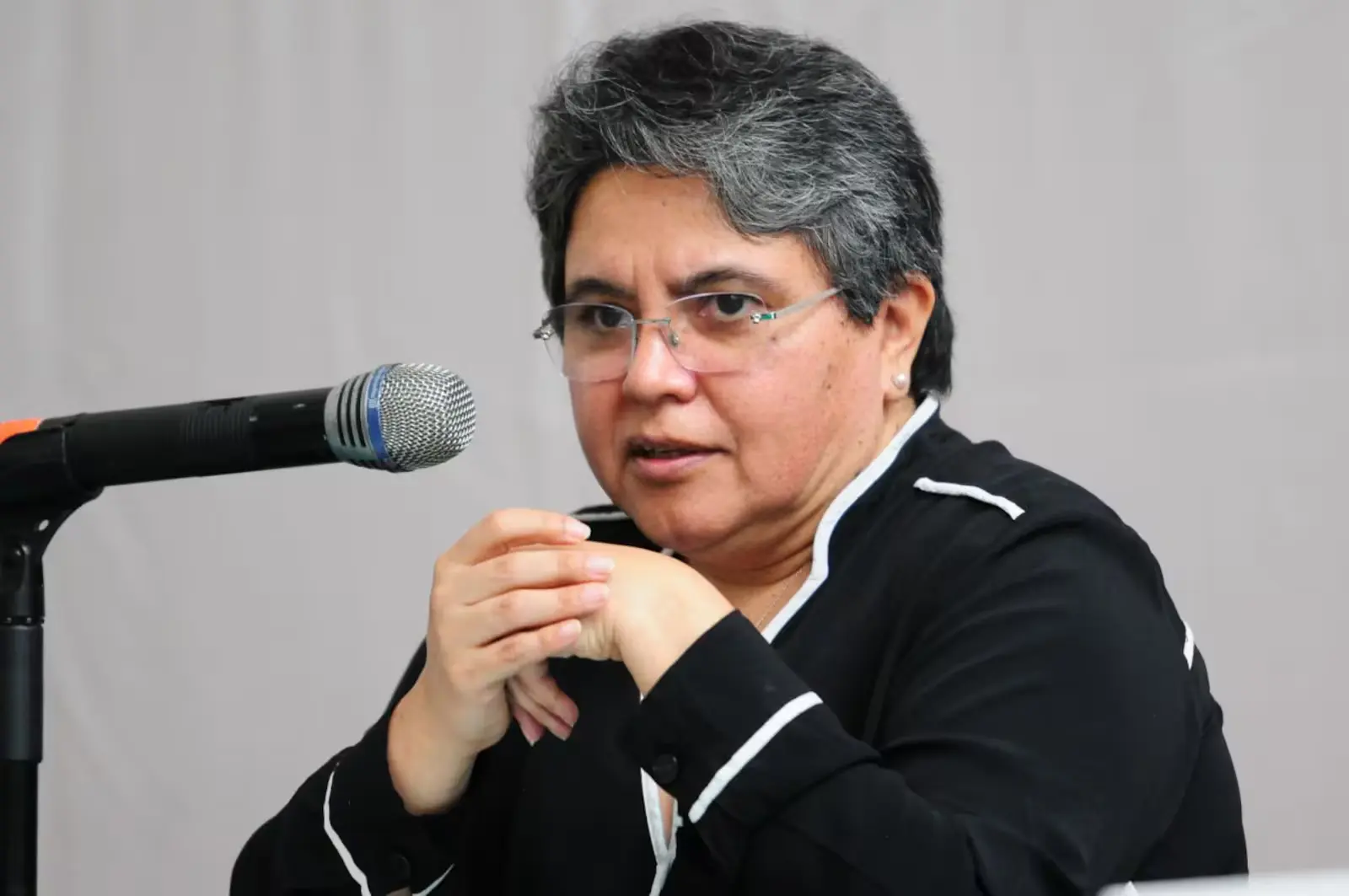
Mexico anti-corruption savings reached almost 84 billion pesos (about US$4.9 billion) in two years, the government said on Tuesday. The figure mostly counts money the state says it avoided spending, not cash recovered from corrupt officials.
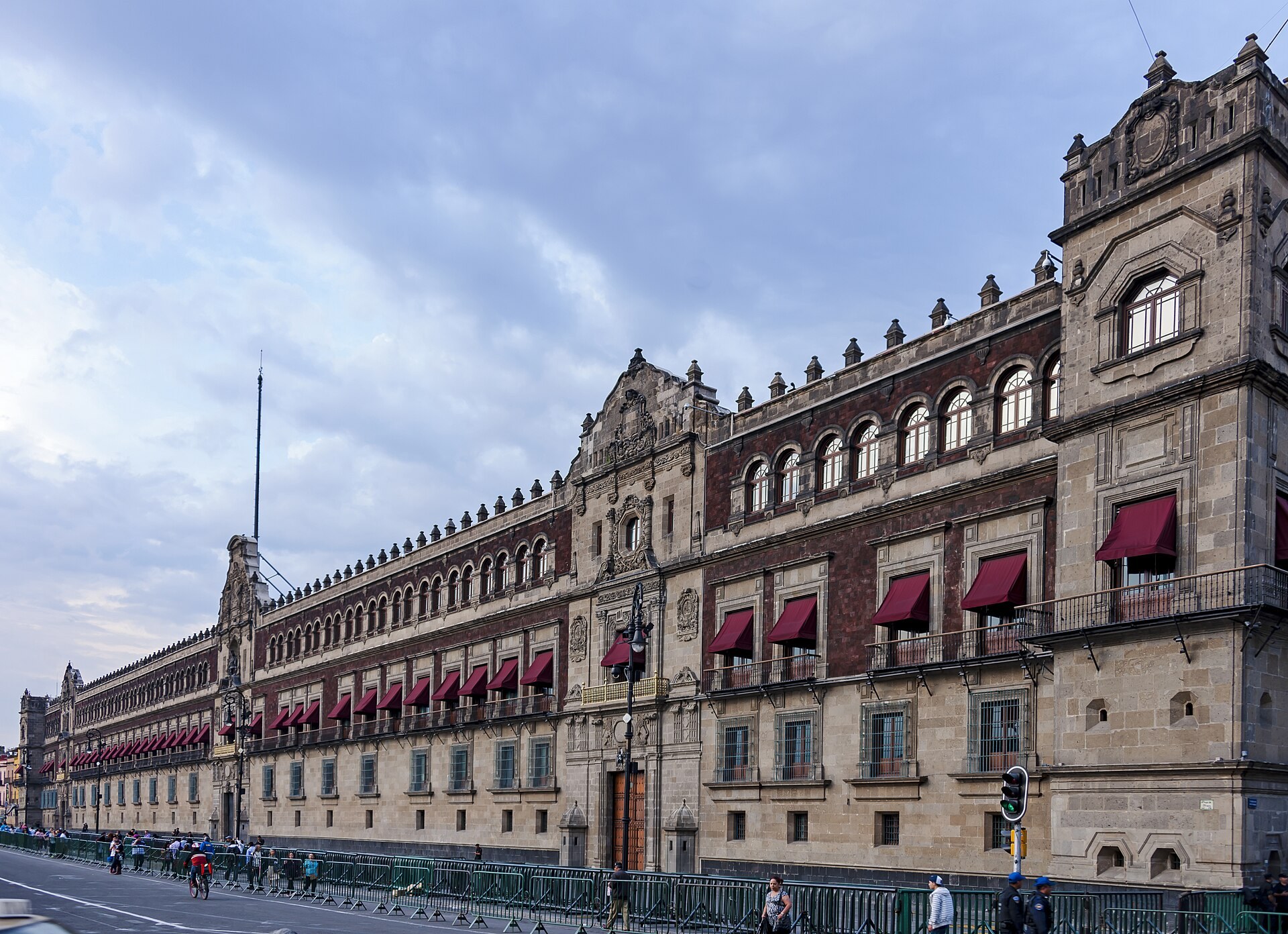
Raquel Buenrostro, who heads the Secretaría Anticorrupción y Buen Gobierno, presented the numbers on 22 September 2026. She spoke at President Claudia Sheinbaum’s daily morning news conference in the Palacio Nacional in Mexico City.
Her ministry is the federal government’s internal watchdog, which oversees public purchasing and disciplines civil servants. It succeeded the old Secretaría de la Función Pública under Sheinbaum, who took office on 1 October 2024.
What the 84 billion pesos is made of
Buenrostro put the precise total at 83.8 billion pesos (about US$4.9 billion). Conversions here use the Bank of Mexico’s official FIX rate of 17.22 to the US dollar for 21 September 2026.
The largest slice, 42.2 billion pesos (about US$2.5 billion), came from monitoring contracts, above all for public works. The ministry says that oversight blocked cost overruns and incorrect progress bills before they were paid.
Another 29 billion pesos (about US$1.7 billion) came from better public purchasing, including supplier dialogues and reverse auctions. In a reverse auction, sellers bid prices down rather than up.
Restructuring and merging federal offices produced 7.8 billion pesos (about US$453 million), according to the ministry. Fines and sanctions on officials and suppliers added 4.8 billion pesos (about US$279 million).
Those four items add up to the headline total. Sheinbaum called it money “we have managed to avoid” paying through inflated costs for goods, services and public works.
Prevention, not recovered loot
Buenrostro described the total as “ahorros de prevención,” or savings from prevention. Her case is that fixing a tender early costs the treasury less than chasing losses later.
She cited a purchase of medical equipment by the Mexican Social Security Institute (IMSS), the main public health insurer for private-sector workers. Opening that tender to more manufacturers cut the price by 46%, she said.
Only the fines come from punishing wrongdoing. The rest of the Mexico anti-corruption savings are costs the ministry estimates it prevented.
The pace has slowed sharply: the first year brought 70 billion pesos (about US$4.1 billion), El Heraldo de México reported. The second brought just 13.8 billion pesos (about US$801 million).
In early June the ministry had reported 81.4 billion pesos (about US$4.7 billion) for the administration so far. Medicine purchases and a review of contracts for the Tren Maya tourist railway were the biggest items then, La Jornada reported.
4,193 officials sanctioned
On discipline, the ministry reported 4,193 public servants sanctioned between 1 October 2024 and 30 June 2026. Of those, 3,528 involved minor offences and 665 serious ones.
Serious cases go to the Federal Court of Administrative Justice (TFJA), not the ministry. Of 1,737 officials whose files reached that court, 87 have been notified of sanctions and 1,650 cases remain open, El Heraldo reported.
Buenrostro listed the main offences as improper payments, paying for goods never delivered, hiding assets, falsifying documents and sexual harassment. Some officials removed protected information, including personal data, she said.
Suppliers were punished too. The ministry said 286 suppliers were barred from public contracts or fined, with penalties totalling 147.3 million pesos (about US$8.6 million).
The ministry has also filed 517 criminal complaints against officials with the Fiscalía General de la República, the federal prosecutor’s office. In 53 cases a judge has formally opened criminal proceedings, which is not a conviction.
The critics’ view
Independent watchdogs use a harsher yardstick. Transparency International’s 2025 Corruption Perceptions Index, published on 10 February 2026, scored Mexico 27 out of 100 and ranked it 141st.
Mexicanos contra la Corrupción y la Impunidad (MCCI), an investigative group, called the one-point gain on 2024 statistically insignificant. It noted Mexico scored 34 in 2012 and is now the lowest-rated OECD member.
MCCI made its case in February, well before Tuesday’s figures. It blamed reforms in 2024 and 2025 for weakening the institutions that served as checks on government.
The group singled out the abolition of the INAI, the autonomous transparency institute. Mexico went from “a national and autonomous authority” guaranteeing access to public records to “a dispersed and subordinate responsibility,” MCCI wrote.
Buenrostro’s own ministry now runs Transparencia para el Pueblo, the federal replacement for the INAI. The ministry says the new body costs 52% of the old institute’s budget.
What comes next
Tuesday’s figures were part of the government’s review of Sheinbaum’s second annual report. Her administration completes two years in office on 1 October 2026.
For companies bidding for Mexican public contracts, the message is that tenders face closer scrutiny. The ministry says purchasing rules now also favour small firms, cooperatives and national producers.
The 1,650 cases still before the administrative court, and the 53 criminal proceedings, will show how much of the discipline holds. None of the officials involved was named on Tuesday.
More: Mexico coverage, every day from The Rio Times.
Frequently Asked Questions
What does Mexico’s anti-corruption ministry mean by savings?
The Mexico anti-corruption savings are mostly costs it says it prevented rather than money it recovered. Of the 83.8 billion pesos (about US$4.9 billion) reported on 22 September 2026, 42.2 billion pesos (about US$2.5 billion) came from monitoring contracts and 29 billion pesos (about US$1.7 billion) from better purchasing. Restructuring added 7.8 billion pesos (about US$453 million). Fines and sanctions made up 4.8 billion pesos (about US$279 million).
Who is Raquel Buenrostro?
She has headed the Secretaría Anticorrupción y Buen Gobierno, the federal government’s internal watchdog, since 1 October 2024. She was previously economy secretary under President Andrés Manuel López Obrador from October 2022 to September 2024. Before that she ran the SAT, Mexico’s tax authority, from 2020 to 2022.
Has anyone been convicted?
The ministry reported 517 criminal complaints filed with federal prosecutors and 53 cases in which a judge has formally opened criminal proceedings. No convictions were among the figures presented. The 4,193 sanctions it reported are administrative penalties, not criminal verdicts.
Sources: El Universal on the savings breakdown, El Heraldo de México on sanctions and the yearly split, Excélsior on the morning briefing, La Crónica on criminal complaints, La Razón on sanctioned suppliers, La Jornada on the June figures, MCCI on Mexico’s corruption ranking, EFE via Swissinfo on the 2025 index, Bank of Mexico exchange rates
This article was produced by The Rio Times’ automated newsroom system. How we use AI · Report an error
Read More from The Rio Times