Managua: A Gateway for Irregular Migration to the United States
Since 2021, Nicaragua’s capital, Managua, has emerged as a critical juncture for irregular migration to the United States, primarily through Augusto C. Sandino International Airport.
Under the governance of Daniel Ortega and Rosario Murillo, the airport has welcomed a surge of charter flights from globally diverse origins.
These include countries such as Suriname, Libya, Morocco, Uzbekistan, India, and Tajikistan.
This new route has attracted migrants from closer nations such as Cuba, the Dominican Republic, El Salvador, Curaçao, and Haiti. They prefer this path over the hazardous Darién Gap.
Between May 2023 and May 2024, over a thousand flights transported approximately 200,000 passengers through Managua.
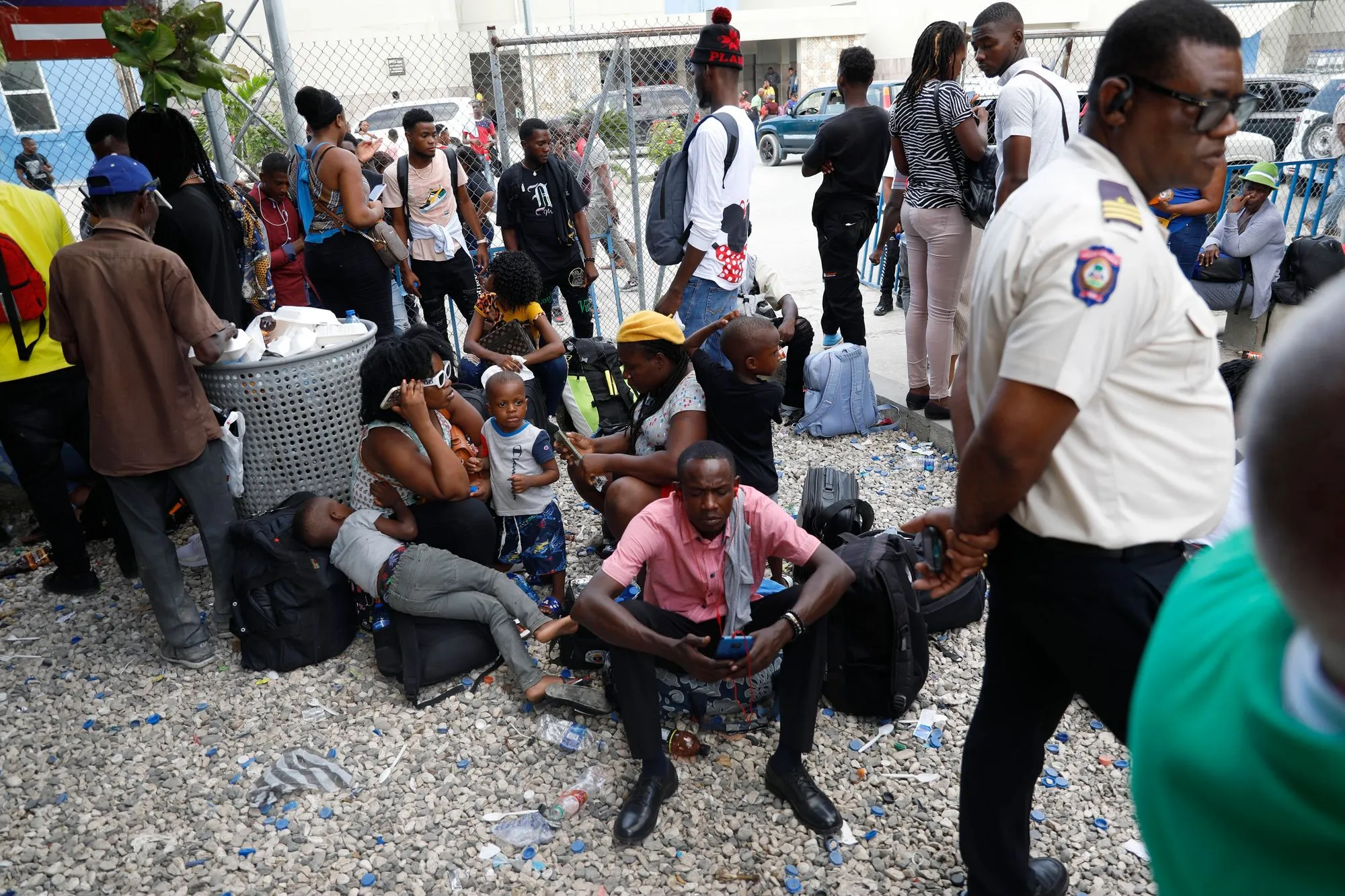
This influx has transformed the city into a pivotal node in the migration network.
This flow has financially benefited the Ortega regime, which has leveraged the situation through taxes and unofficial fees.
However, this burgeoning migration channel has not gone unnoticed internationally, particularly due to its implications for security and human trafficking.
In 2023, the U.S. responded to these security concerns after the arrest of eight Tajiks in major American cities, suspected of ISIS ties.
These arrests underscored potential security risks from unchecked migration flows.
Migration Dynamics and Security Concerns
In reaction, the U.S. tightened visa restrictions for executives of companies providing these charter services.
In 2024, the policy was expanded to include sea and land transportation providers, aiming to curtail exploitative migration practices.
Despite these measures, the influx of migrants via Managua persisted, with notable arrivals from Tripoli indicating ongoing, unrecorded operations complicating international oversight efforts.
This situation highlights a complex mix of migration dynamics, economics, and international relations.
It marks Managua as a significant but controversial gateway in the broader narrative of global migration challenges.
The city’s role in this international issue reflects not only on Nicaragua but also on the global community’s efforts to manage migration responsibly and securely.
More: Latin America news in English, every day from The Rio Times.
This article was produced by The Rio Times’ automated newsroom system. How we use AI · Report an error · Editorial responsibility: Matthias Camenzind, Editor-in-Chief