
LIBERIA · NATIONAL BUDGET
Key Facts
- The country Liberia is a West African state that quotes its national budget in US dollars.
- The background Domestic revenue passed US$1 billion by September 2026, a first for Liberia, the president told lawmakers.
- What happened On Friday 6 November 2026, the finance minister submitted a US$1.538 billion draft budget for 2027 to lawmakers.
- How big That is about 23% above the US$1.25 billion the House originally passed for 2026.
- The catch The published budget summary does not split the total between taxes, donors and borrowing.
- What comes next The Legislature has until the fiscal year starts on 1 January 2027 to approve it.
Liberia’s government asked lawmakers on Friday 6 November 2026 to approve a US$1.538 billion budget for 2027, about 23% above the US$1.25 billion the House of Representatives passed for 2026. The request matters beyond Monrovia because it tests whether a West African state that quotes its budget in US dollars can turn a strong tax year into lasting spending.
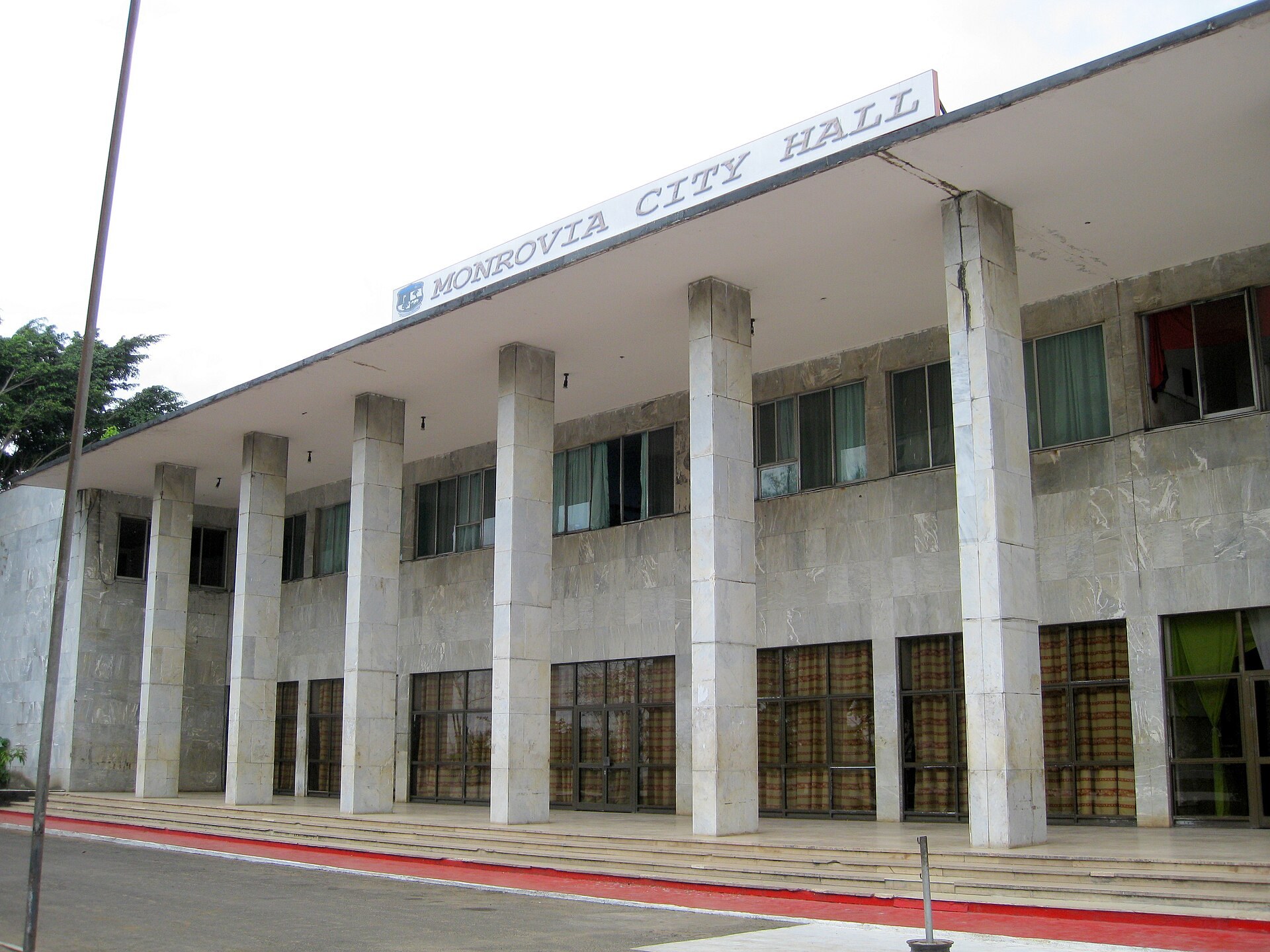
Finance Minister Augustine Kpehe Ngafuan delivered the draft, together with President Joseph Boakai’s budget message, to House Speaker Richard Nagbe Koon. The 55th National Legislature, Liberia’s two-chamber parliament, now takes the plan into committee hearings and floor debate.
What the Budget Pays For
Health receives US$135.8 million, up from US$110.9 million in 2026, an increase of US$24.9 million or about 22%. The money is meant to staff and equip the New Redemption Hospital and to buy dialysis machines and other equipment for the John F. Kennedy Medical Center (US$5.3 million).
Education receives US$163.5 million, up 13.9% from US$143.6 million. That includes US$7 million to continue renovating the University of Liberia and a new pay floor for teachers in government schools.
Pay, Pensions and Security
Teachers with a master’s degree would earn at least US$650 a month and those with a bachelor’s degree at least US$400. Teachers with an associate degree or B-Certificate would earn US$240, and those with a C-Certificate US$200.
More than 17,000 people would benefit from pay changes, about 13,000 existing government workers and about 4,350 new hires, including volunteers. The list includes 1,934 Liberia National Police personnel, a 15% raise for 616 Liberia Drug Enforcement Agency employees and adjustments for 358 health workers.
The government also confirmed that it owes nearly US$60 million to NASSCORP, the national social security and pension fund, in employer contributions it never paid. From 2027 it says it will provide the full 6% employer share on public servants’ wages and repay the backlog under an amortisation schedule.
The draft funds 1,400 new recruits, 800 for the Armed Forces of Liberia and 600 for the Liberia National Police. It also sets aside US$3 million for the national football team, the Lone Star, and US$650,000 for veteran players.
The Ministry of Gender, Children and Social Protection gets a 77% increase, though the budget summary gives no dollar figure for it. The plan adds US$2.5 million for small businesses, US$3 million for school feeding and US$1.4 million to start a National Children’s Referral Hospital.
The Revenue Question
President Boakai told lawmakers that domestic revenue collections had passed US$1 billion by September 2026, the first time in Liberia’s history. Finance Minister Ngafuan said on Wednesday 9 September that the government is aiming for US$1.3 billion in domestic revenue by December 2026.
That target is about US$238 million below the 2027 spending plan. The Liberia Revenue Authority, the national tax collector, had reported US$954.7 million collected in the days before the minister spoke.
What It Means for US Readers
Liberia quotes its budget in US dollars, so the plan shows how much a West African government expects to spend on hospitals, schools, pay and security next year. Suppliers of medical equipment and construction services can see the lines, from US$5.3 million for equipment at one hospital to US$7 million for university renovation.
The risk for lenders and donors is in the arithmetic, a spending plan about 23% above the original 2026 budget the House passed, resting on revenue that has only just crossed US$1 billion. A revenue shortfall would test the pay raises and the pension repayment plan the government has just promised.
What Is Not Known
The published budget summary does not say how the US$1.538 billion splits between domestic taxes, donor money and borrowing. Finance Minister Augustine Kpehe Ngafuan can answer when he appears before the Legislature’s budget committees in the coming weeks.
The government has not said over how many years it will repay the nearly US$60 million owed to NASSCORP. The Finance Ministry and NASSCORP management can answer when lawmakers debate the budget before the fiscal year ends on 31 December.
Frequently Asked Questions
How big is Liberia’s 2027 budget?
The draft totals US$1.538 billion and was submitted on 6 November 2026. The House originally passed US$1.25 billion for 2026, so the new plan is about 23% higher.
Who decides whether it passes?
Liberia’s Legislature, made up of the House of Representatives and the Senate, must approve the draft. House Speaker Richard Nagbe Koon received it on 6 November.
When does the budget year start?
Liberia’s fiscal year runs from 1 January to 31 December. Lawmakers therefore have under two months to approve the 2027 plan.
What is the ARREST Agenda?
It is the Boakai government’s development plan, which the budget message ties the spending to. This year’s message is titled A Growing Budget for Bigger Impact.
Will Liberian teachers get a raise?
The draft sets minimum monthly pay of US$650 for teachers with a master’s degree and US$200 for those with a C-Certificate. The raises take effect only if lawmakers approve the budget.
Sources: Liberia Ministry of Finance and Development Planning (mfdp.gov.lr), draft FY2027 national budget and President’s Budget Message, 6 November 2026; Liberia Revenue Authority (lra.gov.lr), revenue collections 2026; House of Representatives of Liberia, 2026 budget passage, December 2025. Retrieved 7 November 2026.
This article was produced by The Rio Times’ automated newsroom system. How we use AI · Report an error · Editorial responsibility: Matthias Camenzind, Editor-in-Chief