Uganda MPs Demand Answers on Late Land Titles for World Bank Schools
Uganda · GOVERNANCE
Key Facts
- —The country Uganda is a landlocked East African nation of about 51 million people. Its economy produced about US$1,200 per person in 2025, against more than US$80,000 in the United States.
- —Why it matters Since 2017 the World Bank has committed US$500 million to one programme for district-run schools and health centres. Public buildings need land with a clear title.
- —Why now On Wednesday, 30 September 2026, a parliamentary audit committee questioned the Lands Ministry over years-long title delays, the Daily Monitor reported.
- —What happened The Auditor General found 196 of 212 title applications for programme sites delayed, by 14 to 1,419 days (almost four years).
- —Who is involved Committee chair Patrick Nsamba Oshabe; Dorcas Okalany, who led the Lands Ministry team; district governments; the World Bank.
- —What it means for you Anyone buying land or funding buildings in Uganda should allow months, even years, for a title. Check ownership before paying.
- —Still open The ministry must return with a title-by-title schedule of delays and completion dates. No date for that hearing has been published.
Auditors found that over nine in ten land titles for a US$500 million World Bank programme in Uganda came late. Members of parliament now want each delay explained.
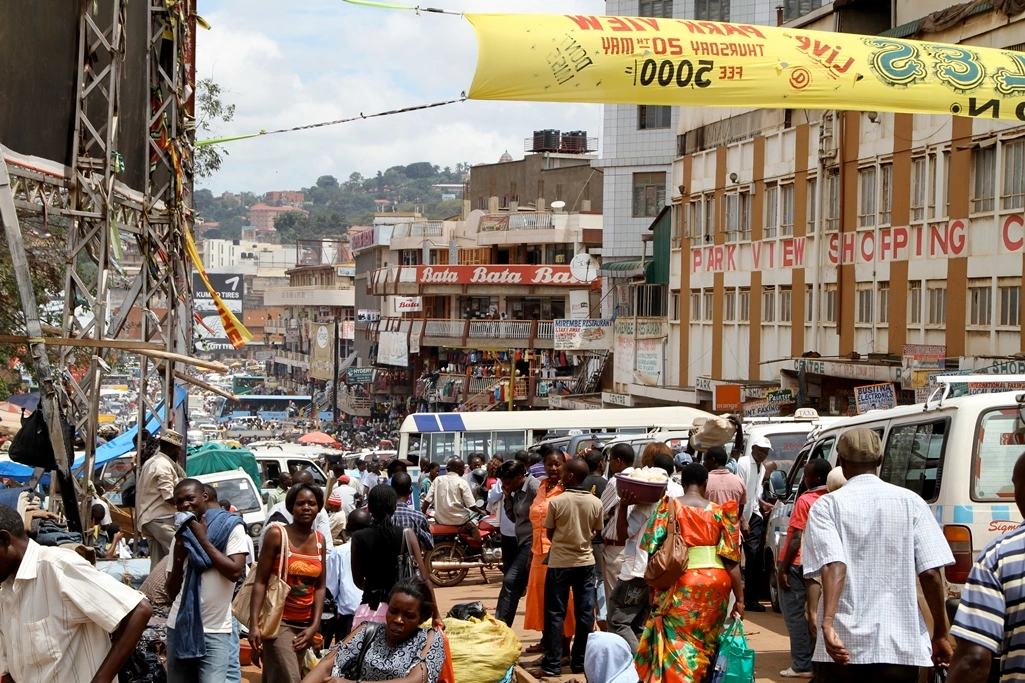
Members of Uganda’s parliament have demanded answers from the Lands Ministry over delayed land titles for sites built with World Bank money. The East African country of about 51 million people relies on such loans to build schools and health centres in its districts.
The Public Accounts Committee (Central Government), which examines the Auditor General’s findings, held the hearing on Wednesday, 30 September 2026. The Daily Monitor, a leading Kampala newspaper, reported the exchange on Thursday.
What the auditors found
According to the Daily Monitor, the Auditor General reviewed 212 land-title applications under the Uganda Intergovernmental Fiscal Transfers programme (UgIFT). Of these, 196 were delayed.
The delays ranged from 14 days to 1,419 days, the paper reported. The longest wait is close to four years for a single document.
The committee was working through the Auditor General’s report for the 2024/25 financial year, which ran to June 2025. Parliament’s own news service confirmed the ministry appeared before the committee that Wednesday.
What UgIFT is and who pays for it
UgIFT channels central-government and World Bank money to Uganda’s district governments, which run local schools and clinics. Its stated aim is fairer, better-managed transfers for health and education services.
World Bank records show a US$200 million credit approved in June 2017 and a further US$300 million in September 2020. Both pay on results: money flows only when agreed targets are met.
When the second tranche was approved, the Bank said the combined programmes would build at least 259 new secondary schools. They would also upgrade 380 health facilities to the level Uganda calls Health Centre III, which offers maternity and outpatient care.
The Bank’s project database lists 31 December 2025 as the closing date of the original operation.
The Daily Monitor put its value at about 2 trillion Ugandan shillings (about US$513 million). That uses 3,897 shillings per dollar (open.er-api.com, 1 October 2026).
Why a land title matters for a school or clinic
A land title is the legal proof of who owns a plot. In Uganda much land is held under customary tenure or by churches, so that proof is often missing or contested.
A school or health centre built without it is exposed to claims from families, churches or other owners. Auditors also cannot confirm that public money created an asset the public actually owns.
That makes delayed land titles more than a paperwork problem. They decide whether a new school or clinic can be registered, insured and defended in court.
The ministry’s defence
Dorcas Okalany, identified by the Daily Monitor as the ministry’s permanent secretary, blamed incomplete paperwork from applicants. She singled out faith-based organisations and said the delay “is from the client, not a deliberate move by the ministry”.
Smith Matsiko, a ministry commissioner, said church-founded schools needed approval from their boards of governors, which took time. He added that the move from manual to digital land records had produced conflicting transaction dates.
Ministry officials told the committee that about 75 percent of the titles under review had now been processed. They said this had allowed the projects to go ahead.
Why MPs were not satisfied
The committee chair, Patrick Nsamba Oshabe, said owners need titles for daily business such as loans and sales. “If you are holding somebody’s title for five years, these people use those titles for daily transactions,” he said.
He also raised the possibility of bribery, suggesting that some people might pay to have their documents released. Members cited a road project in Bulambuli district, in eastern Uganda, where a title was still missing 13 years later.
The committee ordered the ministry to return with a schedule of every delayed UgIFT title. It must give the reason, current status and expected completion date.
A wider pattern of World Bank audit questions
The same day, Parliament reported, the committee also pressed the ministry over a separate US$510 million World Bank loan for town infrastructure. MPs asked for road costs per kilometre and when repayments would start.
The officials were sent away to return with accurate figures and documents. The two exchanges show parliament using the audit cycle to test how borrowed money is spent.
What it means for foreigners
For investors, aid groups and expatriates buying property, the hearing is a reminder that land registration in Uganda can take years. Due diligence on title, and on who signs for church or community land, should start early.
For lenders, the episode shows how slow land administration can weaken accountability for projects that are otherwise finished. Readers new to the country can start with our Uganda explainer.
What is not independently confirmed
The figures of 196 delayed applications, the 1,419-day maximum and the 75 percent completion rate come from the Daily Monitor’s account. The Auditor General’s report itself could not be checked directly.
Parliament’s news service confirmed the hearing and its participants, but its published account covered the municipal loan, not the UgIFT titles. Which schools or clinics were affected has not been made public.
Frequently Asked Questions
Why are Ugandan MPs questioning the Lands Ministry about delayed land titles?
The Auditor General found 196 of 212 land-title applications for a World Bank-funded local services programme delayed by 14 to 1,419 days. Parliament’s Public Accounts Committee wants an explanation for each case.
What is the UgIFT programme?
The Uganda Intergovernmental Fiscal Transfers programme channels World Bank money to district governments for schools, health centres and water. The Bank approved US$200 million in 2017 and US$300 million in 2020.
Why do land titles matter for schools and health centres?
A title is the legal proof that the public owns the land under a building. Without it, ownership disputes can stall work, and auditors cannot confirm that public money created a public asset.
What did the Lands Ministry say?
According to the Daily Monitor, the ministry blamed incomplete paperwork from applicants, including church-founded schools. It said about 75 percent of the titles had been processed.
Sources
- Daily Monitor — MPs demand answers on delayed titles for World Bank-funded projects (1 Oct 2026)
- Parliament of Uganda — PAC demands accountability for US$510 million USMID loan (30 Sep 2026)
- World Bank — Uganda Intergovernmental Fiscal Transfers Program (P160250)
- World Bank — UgIFT Additional Financing (P172868)
- World Bank — US$300 million additional financing press release (14 Sep 2020)
- World Bank — Uganda data (population, GDP)
This article was produced by The Rio Times’ automated newsroom system. How we use AI · Report an error
LatAm Markets: Live Signals → — real-time movers, turnover leaders and FX across Latin America.
Read More from The Rio Times