
KENYA · ECONOMY
Key Facts
- The country Kenya, a major East African economy, is led by President William Ruto.
- What happened The World Bank says Kenya could have built its railway far more cheaply.
- The number Kenya could have saved up to US$900 million had it matched Tanzania’s cost per kilometre.
- The cause At least 30% of those savings trace to weak governance.
- The limit Kenya’s line runs on diesel and Tanzania’s on electricity, so the comparison is not exact.
Kenya paid far more for its standard gauge railway, a modern wide-track line, than a neighbour paid for a similar one, the World Bank says. In its latest Kenya Economic Update, the lender’s twice-yearly report on the Kenyan economy, it estimates the gap at up to US$900 million (about 117 billion Kenyan shillings).
For US readers, the finding goes to the heart of Kenya’s borrowing, since the line was financed largely with foreign loans. It also lands about nine months before a general election in August 2027.
What the World Bank Found
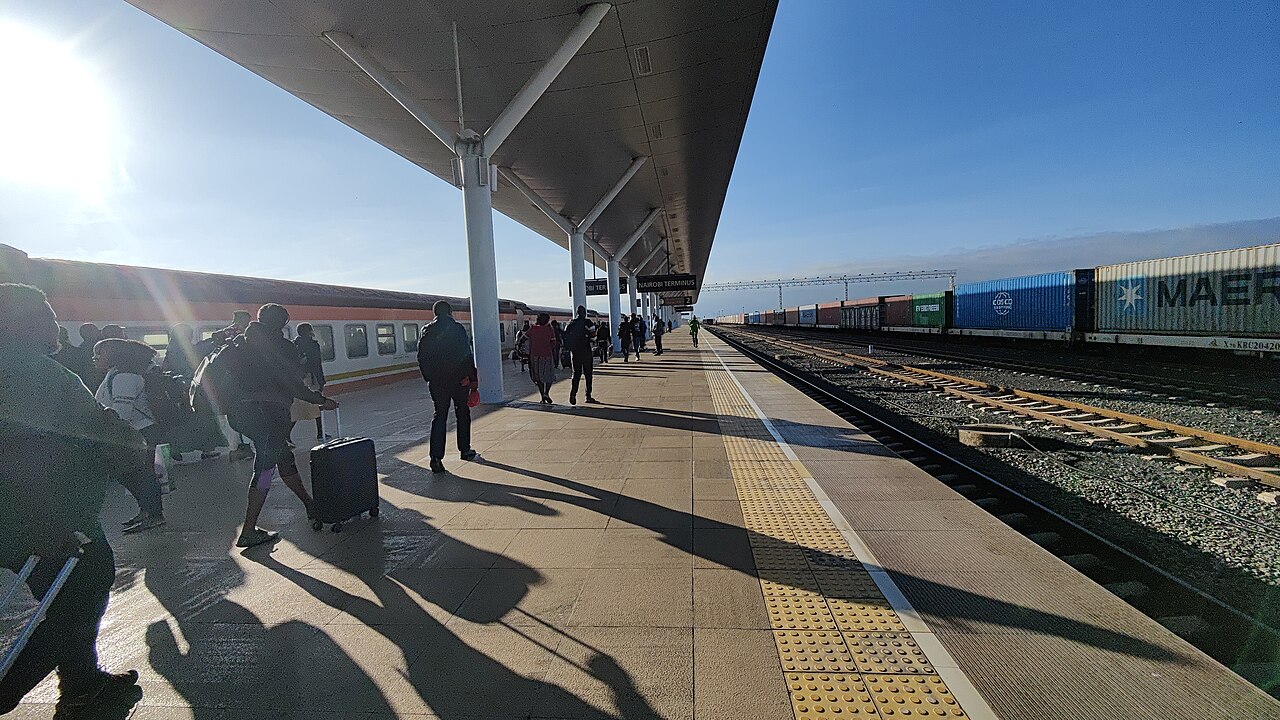
The World Bank compared the cost of building Kenya’s Mombasa to Nairobi railway with two similar lines in the region. Kenya’s cost US$7.6 million per kilometre, against US$5.7 million for Tanzania’s Dar es Salaam to Dodoma line and US$5.3 million for the Djibouti to Addis Ababa line.
With Tanzania’s cost per kilometre, Kenya could have saved up to US$900 million, the Bank says. The report also tells readers that the comparison has limits, because Kenya’s line uses diesel locomotives while the other two are electrified.
Terrain and design standards also differ from line to line, the report acknowledges. That is why the Bank speaks of what Kenya could have saved, not of money proven lost.
Where the Money May Have Leaked
The World Bank attributes at least 30% of the possible savings to governance problems. It names a preference for direct contracting over competitive tendering, land speculation, and alleged fraud in land titling, valuation and compensation payments.
Direct contracting means the government picks a builder without an open bidding contest. Direct contracting is listed by the Bank among the governance problems on the project.
The Bank does not say that 30% of the railway budget was stolen, only that this share of the savings it identifies traces to weak governance. Separate from this report, Kenyan detectives arrested seven officials in August 2018 over alleged land compensation fraud on the route, including the heads of the National Land Commission, the land authority, and of Kenya Railways Corporation, the state railway operator.
A Wider Warning on Corruption
The same report calls corruption the key binding constraint on Kenya‘s growth. It estimates that corruption and collusion cost the country about 2% of GDP a year through higher budget deficits.
The Bank still raised its 2026 growth forecast for Kenya to 4.6%, up from 4.3%. It also notes that growth reached 5.2% in the first half of 2026.
What It Means for You
If you hold Kenyan Eurobonds (dollar bonds issued by the government) or emerging-market funds, the report is a reminder that how projects were financed can matter as much as the projects themselves. Watch for the August 2027 election, which the Bank names as a risk for spending and investment.
Visitors need not change plans, because the passenger service between Mombasa and Nairobi runs as before. Tour operators and US companies that ship through Mombasa should note that the railway remains central to freight, and its debt is part of the country’s borrowing burden.
What Is Not Known
It is not known whether the government will respond to the findings or reopen any contract. The Bank’s estimate of US$900 million is a comparison, not an audit of what each contractor was paid.
The Bank’s 30% share is its own estimate, not a court finding. It is also unclear how the report will shape the debate on spending ahead of the 2027 election.
More: Kenya news in English, every day from The Rio Times. See also our guides to Mombasa and booking the Nairobi to Mombasa train.
Frequently Asked Questions
What Did the World Bank Say About Kenya’s Railway?
In its Kenya Economic Update, the World Bank said Kenya could have saved up to US$900 million (about 117 billion shillings) on the Mombasa to Nairobi line. It used Tanzania’s cost per kilometre as the yardstick.
How Much Did Kenya’s Railway Cost per Kilometre?
The World Bank puts it at US$7.6 million per kilometre for the Mombasa to Nairobi line. Tanzania’s Dar es Salaam to Dodoma line cost US$5.7 million and Ethiopia’s link from Djibouti to Addis Ababa US$5.3 million.
Was Money Stolen on the Railway?
The World Bank links at least 30% of the possible savings to governance problems, including direct contracting and alleged land fraud. It does not say that 30% of the whole railway budget was stolen.
Can I Still Ride the Railway as a Visitor?
The Madaraka Express, the passenger train on the line between Mombasa and Nairobi, is not affected by the report. The findings concern how the line was built and paid for, not how it runs today.
Sources: World Bank, Kenya Economic Update, 4 November 2026; Kenya Railways Corporation, standard gauge railway and Madaraka Express.
This article was produced by The Rio Times’ automated newsroom system. How we use AI · Report an error · Editorial responsibility: Matthias Camenzind, Editor-in-Chief