Journalists Rally Against Somalia’s Information Clampdown
In Somalia, a new legislative proposal, the Official Information Bill (OIB), is causing alarm among press freedom organizations.
The bill, passed by the Council of Ministers and pending Federal Parliament approval, seeks to regulate information distribution. However, press advocates argue it threatens the foundational democratic principles of the nation.
Groups such as the National Union of Somali Journalists (NUSOJ), the International Federation of Journalists (IFJ), and Reporters Without Borders (RSF) have united in opposition.
Additionally, the African Freedom of Information Centre (Afic) and the Federation of African Journalists (FAJ) have joined them in this stance.
They claim the bill would impede journalists’ abilities to investigate and report on governmental affairs. This activity is guaranteed by both Somalia’s constitution and international human rights standards.
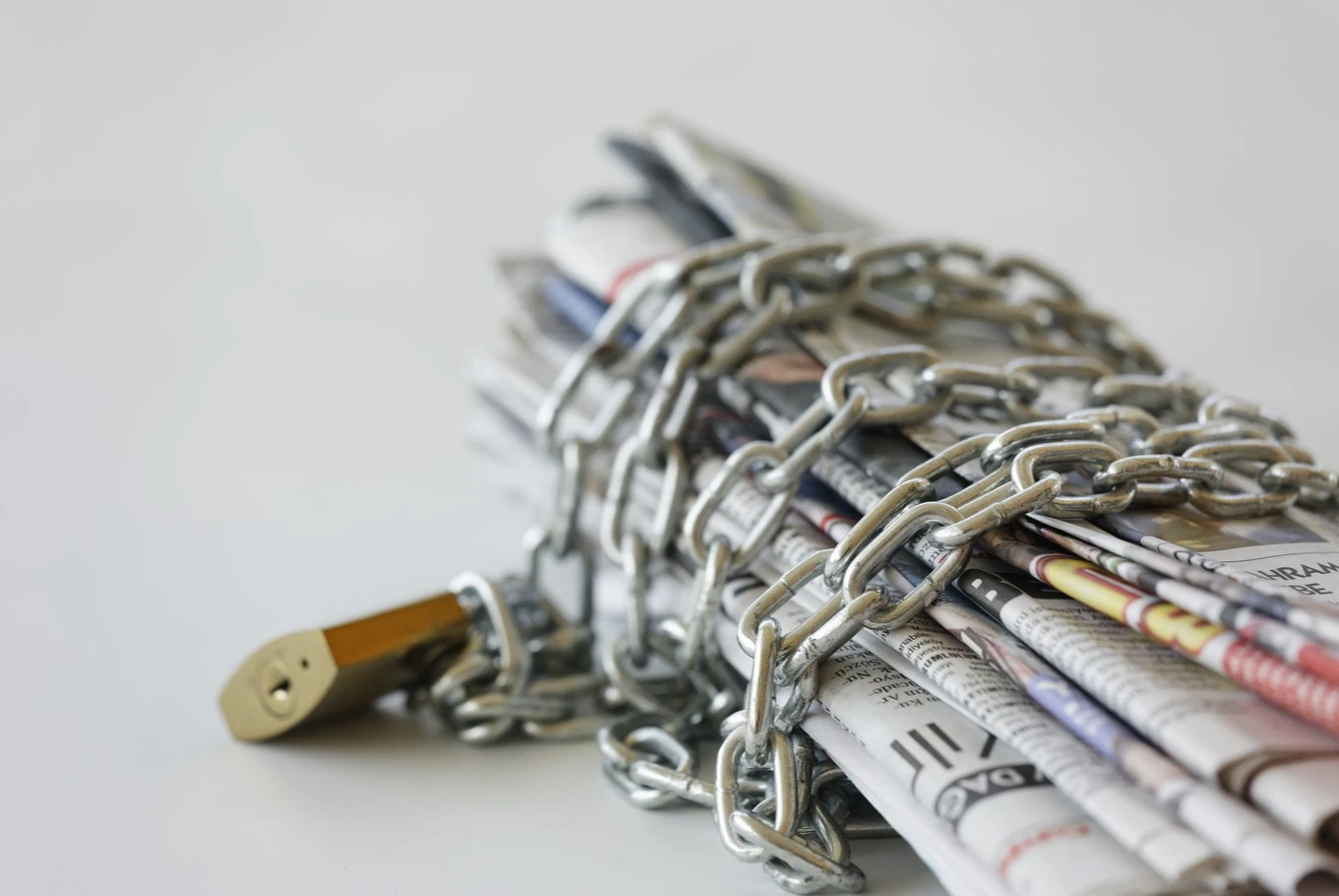
The press bodies are particularly concerned about the bill’s vague and broad exemptions related to confidentiality.
They believe these exemptions would block access to essential information without a clear justification of harm or public interest.
Such restrictions, they argue, infringe on the public’s right to know and contradict the principles of transparency.
Balancing State Secrets and Transparency
The Somali government defends the bill, citing the need to protect state secrets. They aim to prevent sensitive information from reaching groups like al-Shabaab.
They assert that controlling the sources of governmental information is crucial to ensuring that critical documents are safeguarded.
However, the secrecy surrounding the bill’s drafting process, which lacked any public or stakeholder consultation, has led to criticisms of its legitimacy. There are also fears that it could foster a secretive governmental culture prone to corruption.
Critics also note that the bill’s ambiguous definitions, especially regarding national security, could allow for the unjust withholding of information.
This, they warn, could shield government activities from necessary public scrutiny, erode the right to information, and potentially enable abuses of power.
The debate over this bill is set against the backdrop of Somalia’s challenging environment for journalists, who face significant risks, including violence and persecution.
The outcome of this legislative process could either reinforce or undermine efforts to ensure transparency and accountability. This is crucial in one of the world’s most precarious regions for press freedom.
This article was produced by The Rio Times’ automated newsroom system. How we use AI · Report an error · Editorial responsibility: Matthias Camenzind, Editor-in-Chief
Part of our ongoing coverage
Africa: The New Scramble — the great-power contest over the continent.
Horn of Africa and the Red Sea
- Horn of Africa 2026: Why It Matters and Who Backs Whom
- Ethiopia’s Neighbors Explained, Ports, Eritrea, Somalia
- Eritrea Explained 2026, a Red Sea Country Guide
- Somalia Explained: Al-Shabaab, Somaliland, the Ports and the Fight Over a 2026 Vote