João Lourenço Receives Brazilian Business Delegation in Luanda
Key Facts
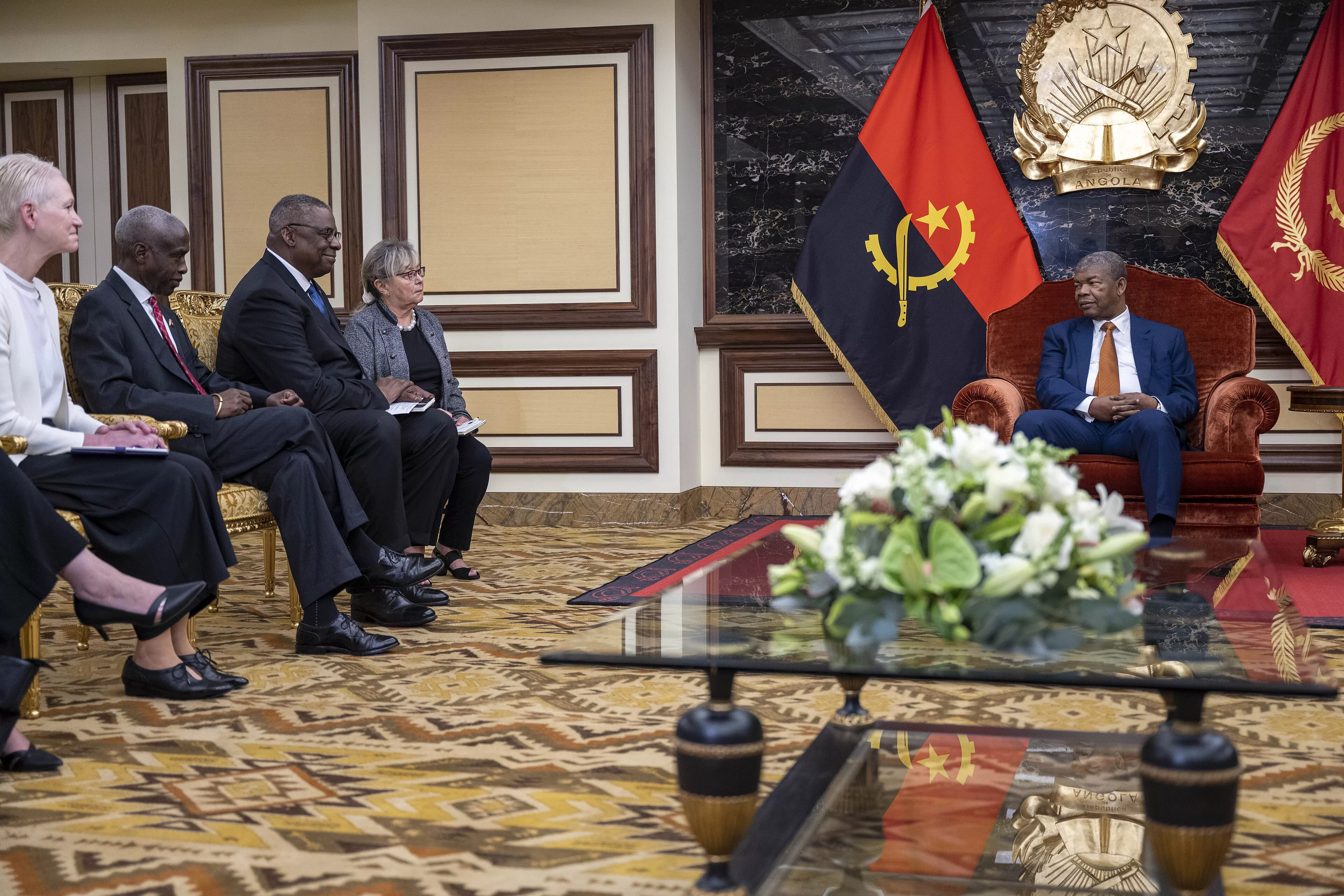
- —What happened Angolan President João Lourenço received a Brazilian business delegation led by LIDE founder João Doria at the Presidential Palace in Luanda on 13 August 2026.
- —The focus Talks centred on agribusiness investment, especially animal protein, to cut Angola’s dependence on food imports.
- —The invitation Lourenço accepted an invitation to address Brazilian investors in São Paulo on 26 September 2026 in a private, business-focused visit.
- —The context Trade between Brazil and Angola has fallen from about US$4.5 billion to roughly US$1.5 billion, and both governments want to revive flows through Brazilian private investment.
- —Why it matters The meeting positions Brazil as an emerging agricultural and energy partner in Africa, offering Angola alternatives beyond its historic ties to Portugal and China.
A Brazilian business delegation met Angolan President João Lourenço in Luanda on 13 August 2026, opening a new push to channel Brazilian capital into Angolan agribusiness, mining and industry.
Angolan President João Manuel Gonçalves Lourenço received a high-profile delegation of Brazilian businesspeople at the Presidential Palace in Luanda on 13 August 2026. The meeting signalled a clear effort to position Angola as a hub for Brazilian capital in agribusiness, mining and industry.
Who led the Brazilian business delegation
The delegation was led by João Doria, the founder of Brazil’s Grupo de Líderes Empresariais, known as LIDE, and a former governor of São Paulo. LIDE is a business organisation that convenes investors and executives from across Brazil’s private sector.
The group included prominent former officials such as ex-Agriculture Minister Kátia Abreu, ex-Development, Industry and Trade Minister Luiz Fernando Furlan, and former Foreign Trade Secretary Roberto Jaguaribe. They were in Luanda to attend the Fórum do Agronegócio Angola–Brasil, an agribusiness forum that drew more than 1,300 registrations and over 700 in-person participants, according to LIDE.
That turnout reflected rising private-sector interest in Angola as a destination for Brazilian expertise and capital. The forum gave Brazilian executives a direct view of Angolan conditions and priorities.
Agribusiness and animal protein top the agenda
The meeting with Lourenço focused on investment opportunities in agribusiness, particularly animal protein. The goal is to boost Angolan production and reduce the country’s dependence on food imports.
Angola has long relied on imported food to meet domestic demand. Brazilian companies see room to bring technology, genetics and processing capacity into the Angolan market.
Dória used the audience to invite Lourenço to São Paulo. The Angolan president accepted immediately and is scheduled to address Brazilian investors there on 26 September 2026 in a private, business-focused visit dedicated to attracting Brazilian investment.
A strategic realignment between Brazil and Angola
This encounter builds on a broader Brazil–Angola strategic realignment. In May 2025, Lourenço paid a state visit to Brazil at President Luiz Inácio Lula da Silva’s invitation.
During that visit, the two leaders signed four cooperation instruments covering agriculture and forestry research, policing, human rights, and oil-sector research and development between Petrobras and Sonangol. Those agreements laid the groundwork for the current business push.
Trade between Brazil and Angola has fallen from about US$4.5 billion to roughly US$1.5 billion. Both governments now explicitly seek to revive flows through Brazilian private investment in Angola, especially in agribusiness and energy.
The great-power angle in Central Africa
In geopolitical terms, this Brazilian business diplomacy in Angola positions Brazil as an emerging agricultural and energy partner in Africa. It competes with traditional powers like China and the European Union for influence and commercial access.
Angola gains alternative finance and technology sources beyond its historic ties to Portugal and China. That diversification matters for a country seeking to reduce dependency on any single external partner.
The South-South thread is central to the story. Brazil and Angola are both Portuguese-speaking, both members of the broader Global South, and both active in forums where Africa and Latin America increasingly coordinate on trade and investment.
What to watch next
The São Paulo meeting on 26 September 2026 will be the next concrete test of whether this diplomatic momentum converts into signed deals. Lourenço is expected to make a direct pitch to Brazilian investors.
For Angola, the prize is a more diversified investor base and faster development of its agribusiness sector. For Brazil, Angola offers a Lusophone gateway into Central Africa’s markets and resources.
The broader pattern fits what The Rio Times tracks in its coverage of Africa: The New Scramble. Middle powers like Brazil are moving beyond rhetoric and into direct business diplomacy on the continent.
Frequently asked questions
Who led the Brazilian business delegation that met João Lourenço?
João Doria, founder of Brazil’s Grupo de Líderes Empresariais (LIDE) and a former São Paulo governor, led the delegation that met Lourenço in Luanda on 13 August 2026.
What did João Lourenço and the Brazilian businesspeople discuss?
They focused on agribusiness investment opportunities, particularly animal protein, to boost Angolan production and reduce dependence on food imports.
When will João Lourenço visit Brazil to meet investors?
Lourenço accepted an invitation to address Brazilian investors in São Paulo on 26 September 2026 in a private, business-focused visit.
Connected Coverage
Sources
More Africa news: Nigeria | South Africa | Kenya | Egypt | Ghana | Morocco | DR Congo | Angola | Ethiopia | Tanzania
This article was produced by The Rio Times’ automated newsroom system. How we use AI · Report an error · Editorial responsibility: Matthias Camenzind, Editor-in-Chief
Living in or visiting Luanda? See this month's events.