Colombia Solar Deal: Hydropower Firm Isagen Agrees to Buy Puerta de Oro
Colombia · Energy
Key Facts
- —What happened Hydropower generator Isagen agreed to buy 100% of the Puerta de Oro solar park, the companies announced on 21 September 2026.
- —Who is selling A Patria Investments infrastructure fund and Ashmore Colombia, which held 75% and 25%, according to Bloomberg.
- —The catch The sale is signed but not closed; it needs regulatory approvals, including from Colombia’s competition authority.
- —How big it is 360 megawatts-peak of panels, about 728 gigawatt-hours a year, the equivalent of more than 390,000 homes, the companies say.
- —What it costs The price was not disclosed; Bloomberg reported that Isagen will pay entirely in cash.
- —Why it matters Solar output can offset weak river flows, and reservoir inflows have run below average for four months as El Niño strengthens.
A generator built on dams has agreed to buy the country’s biggest solar plant. It comes as El Niño, a Pacific weather pattern, threatens the rivers that feed those dams.
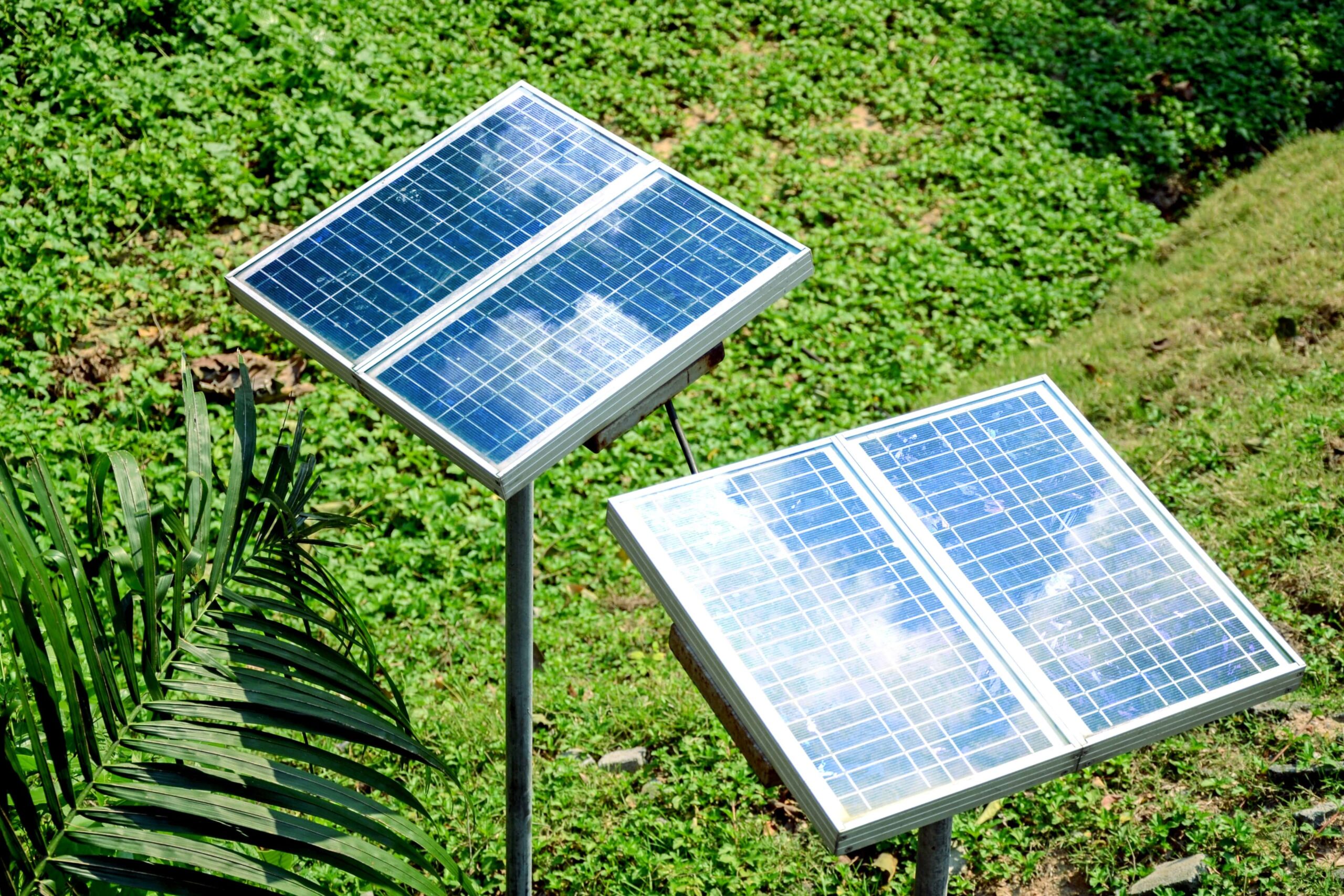
The Isagen Puerta de Oro deal would put Colombia’s largest solar park in the hands of one of its biggest hydropower generators. The companies announced the agreement on Monday 21 September 2026.
Isagen, a Medellín-based power company, is buying 100% of the park. Isagen belongs to an investor group led by Brookfield, the Canadian asset manager, according to Bloomberg.
The sale is signed but not yet complete. It still needs regulatory approvals, including clearance from Colombia’s competition authority.
Who is selling, and for how much
The seller named in the joint announcement is Fondo V de Infraestructura, an infrastructure fund managed by Patria Investments. Patria is a Brazilian manager of private equity and infrastructure funds.
Bloomberg reported that Patria held 75% of the project and Ashmore Colombia 25%. Ashmore Colombia is the local arm of Ashmore Group, a British emerging-markets investment firm.
The price was not disclosed. Bloomberg reported that the purchase agreement was signed the previous week and that Isagen will pay entirely in cash.
A Patria spokesperson told Bloomberg the company expects the deal to close before the end of 2026. BNP Paribas, the French bank, advised on the sale.
What Isagen is buying
Puerta de Oro sits in Guaduas and Chaguaní, two municipalities in Cundinamarca, the department that surrounds Bogotá. The site lies about 110 kilometres from the capital, Bloomberg reported.
The park has more than 511,000 solar modules spread over 530 hectares, according to the companies. Its installed capacity is 360 megawatts-peak, a measure of the panels’ maximum direct-current output.
Its output after conversion to grid power is lower than that peak rating. The companies have not published a separate figure for grid-side capacity.
They say the park produces about 728 gigawatt-hours a year. That is the equivalent consumption of more than 390,000 homes, by the companies’ count.
The plant began commercial operation in July 2026, according to Bloomberg. The companies say it avoids about 370,000 tonnes of carbon dioxide a year.
How the park was paid for
Construction was financed with more than 1 trillion pesos (about US$313 million) of project debt. The lenders included Bancolombia, Banco de Bogotá, Banco de Occidente and the state development lender FDN.
The Inter-American Development Bank and the Climate Investment Funds also provided money on cheaper-than-market terms, the companies said. Bloomberg reported that the debt stays with the project after the sale.
Dollar figures here use a rate of 3,192.53 to the US dollar. That is the official reference rate, known as the TRM, set by the Financial Superintendency for 22 September 2026.
Pablo Cano, who heads Patria’s infrastructure business in Colombia, called the project a success story in the Spanish-language announcement.
Completing this stage ahead of schedule, he said, lets Patria “realise that value and return capital to our investors”.
Patria follows a so-called build-to-core strategy. It develops infrastructure, then sells once the asset is running steadily, as Bloomberg described it.
Why a hydropower company wants solar
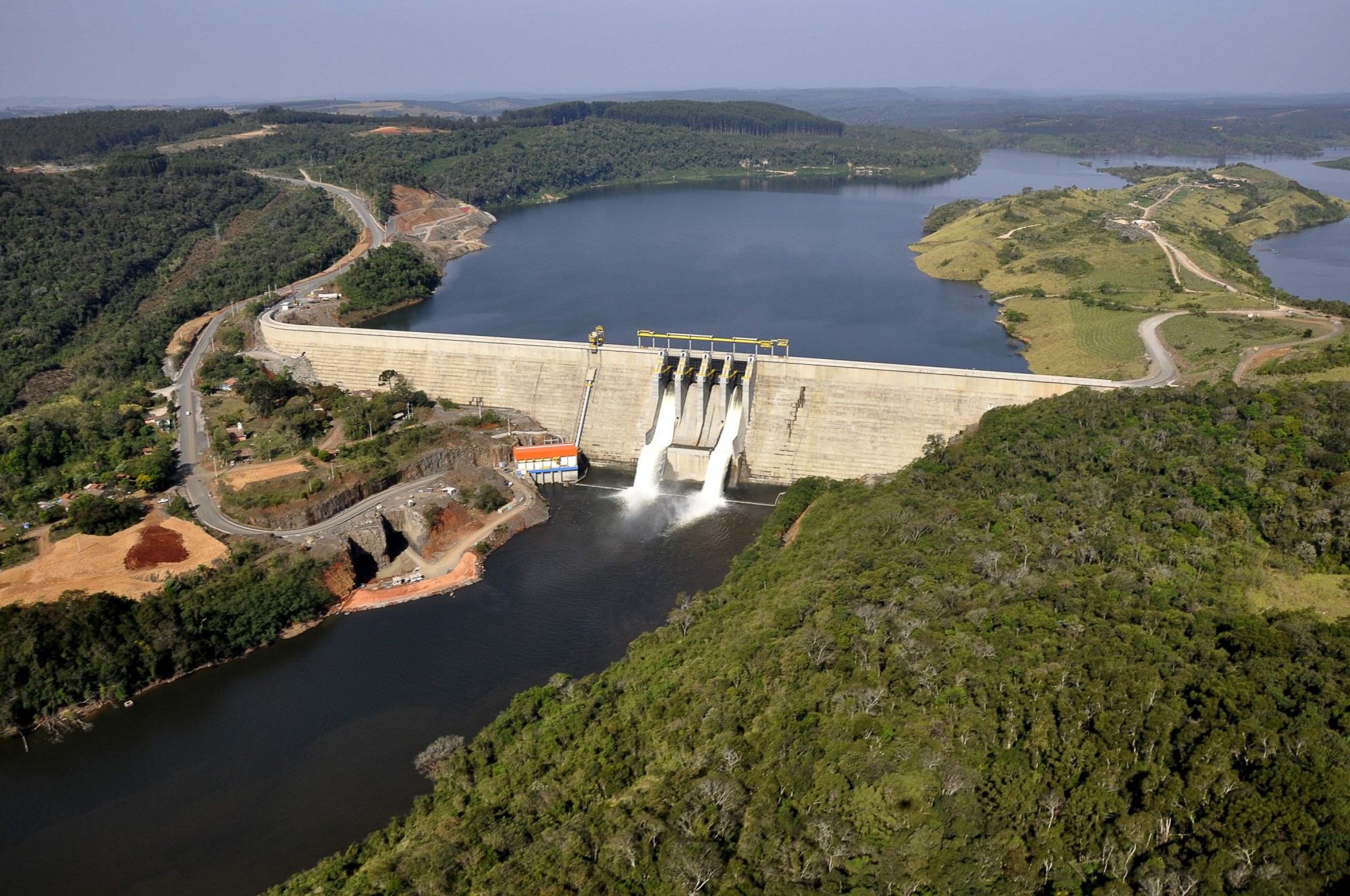
Isagen runs large hydroelectric plants, which depend on rain. Solar farms tend to produce most in dry, sunny spells, when river flows fall.
Cano made that case to Bloomberg, calling Isagen a logical buyer. He said solar power complements its dams during droughts.
Camilo Marulanda, Isagen’s president, called the purchase “a transcendental step” in the company’s growth strategy. Isagen aims to add 1,000 megawatts of solar capacity in the coming years, he said.
The Isagen Puerta de Oro purchase would be a large step toward that target. Which other projects it will pursue has not been reported.
A dry season approaching
Colombia relies on dams for most of its electricity. El Niño, a Pacific warming pattern that brings drought to much of the country, is strengthening.
XM, which operates the national grid, reported reservoirs at 79.36% of useful capacity on 31 August 2026. August inflows reached only 74.46% of the historical average, the business daily La República reported.
That was the fourth month in a row of below-average inflows, XM said. The government launched a plan this month to shore up supply against a possible El Niño drought, Bloomberg reported.
New supply is behind schedule. Only 1,027 of the 4,475 megawatts expected for 2026 were operating by 10 September, the financial news site Valora Analitik reported.
The consultancy Lumen Economic Intelligence estimated that power rationing as deep and long as in 1992 would cost 30.7 trillion pesos (about US$9.6 billion).
That equals 1.6% of GDP, by Lumen’s count. Its milder dry-season scenarios ran from 1.2 trillion pesos (about US$376 million) to 8 trillion pesos (about US$2.5 billion).
A sale does not add a single new panel to the grid. Puerta de Oro is already running, so the deal changes who owns the power, not how much exists.
More: Colombia coverage, every day from The Rio Times.
Frequently Asked Questions
Has Isagen completed the purchase of Puerta de Oro?
No. The agreement was announced on 21 September 2026, but it is subject to regulatory approvals. Bloomberg reported that these include clearance from Colombia’s competition authority. A Patria spokesperson said the company expects the deal to close before the end of 2026.
How big is the Isagen Puerta de Oro project?
The companies give its installed capacity as 360 megawatts-peak, from more than 511,000 modules on 530 hectares. They say it generates about 728 gigawatt-hours a year, equal to the consumption of more than 390,000 homes. The park is in Guaduas and Chaguaní, in Cundinamarca department, about 110 kilometres from Bogotá.
Who owns Isagen?
Isagen is a Colombian power generator based in Medellín, with a portfolio built mainly on hydroelectric plants. Bloomberg describes it as part of an investor group led by Brookfield, the Canadian asset manager.
How much is Isagen paying?
The price has not been disclosed. Bloomberg reported that the payment will be entirely in cash. The park also carries more than 1 trillion pesos (about US$313 million) of project debt, which stays with it after the sale.
Sources: Portafolio on the companies’ announcement, Semana on the park’s technical data, La República, from Bloomberg, on the stakes and approvals, Gestión, from Bloomberg, on the sellers, Valora Analitik on Patria’s first Colombian exit, La República on reservoir levels, Valora Analitik on the rationing study, Colombian government open data on the TRM exchange rate
This article was produced by The Rio Times’ automated newsroom system. How we use AI · Report an error
In depth
Read More from The Rio Times