Health Shock Plan: Colombia Targets Care Backlog for 1.07 Million Patients
Colombia · Health
Key Facts
- —What happened President Abelardo de la Espriella announced a health rescue plan after a cabinet meeting on Monday 21 September 2026.
- —Who it is for 1,069,196 patients with pending care: more than 700,000 awaiting medicines and more than 300,000 awaiting procedures.
- —How it is paid for The health ministry will run a targeted debt purchase for insurers, at 0% interest with a one-year grace period.
- —The catch No total sum was given, and no individual insurer or hospital was named in the announcement.
- —Why it matters Complaints to the health regulator reached 1,220,142 between January and July 2026, most about barriers to care.
President Abelardo de la Espriella has ordered a first-phase rescue for patients stuck waiting on medicines and procedures. The government will buy up insurer debts to get the money moving.
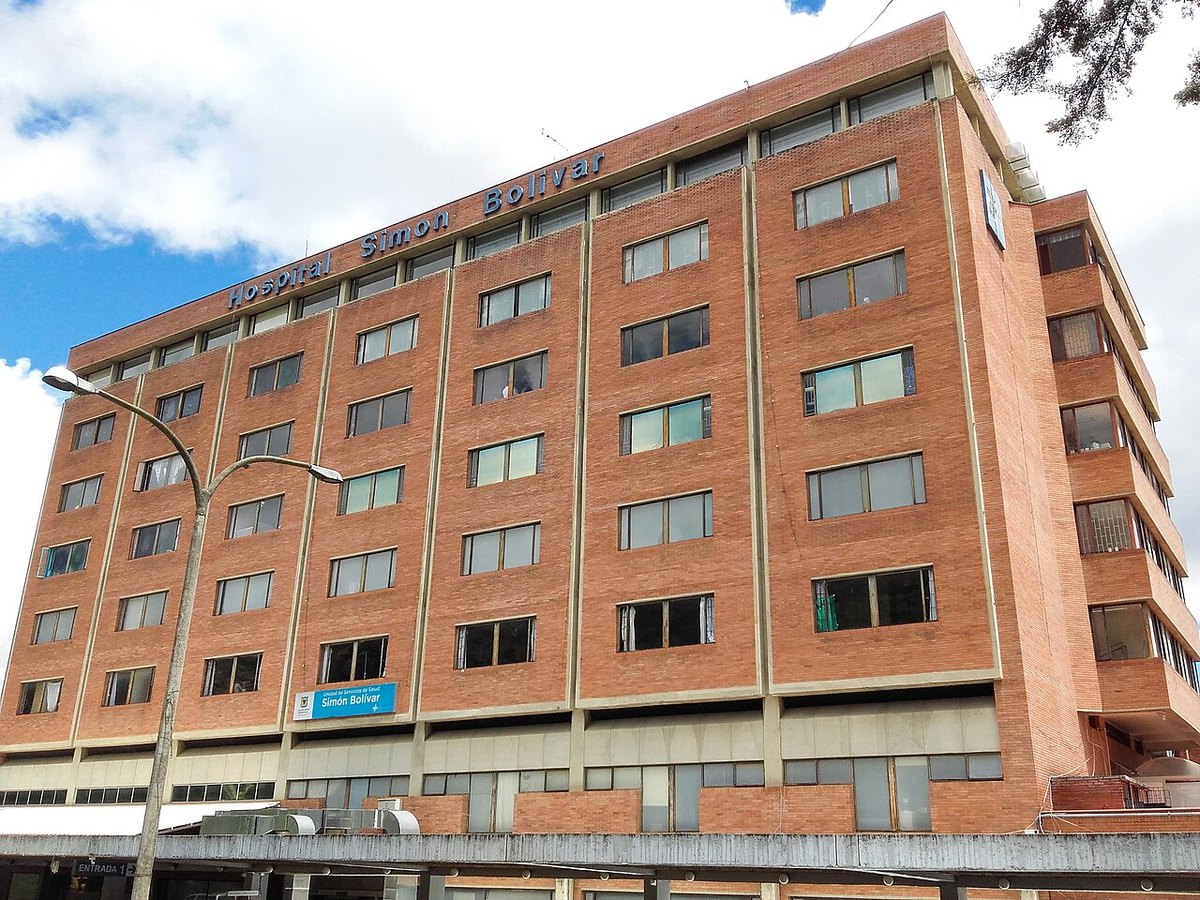
Colombia’s new government has launched a health shock plan to clear a backlog of unfilled prescriptions and delayed treatments. It covers 1,069,196 patients who are waiting for medicines or procedures.
President Abelardo de la Espriella, who took office on 7 August 2026, announced the plan on Monday evening, 21 September 2026. He spoke after a cabinet meeting at the Casa de Nariño, the presidential palace in Bogotá.
The money will come through a purchase of debts inside the health system. In Colombian policy jargon, the tool is called a “compra de cartera”.
Who is waiting
According to the government’s figures, more than 700,000 people are waiting for medicines. More than 300,000 are waiting for procedures such as surgery or diagnostic tests.
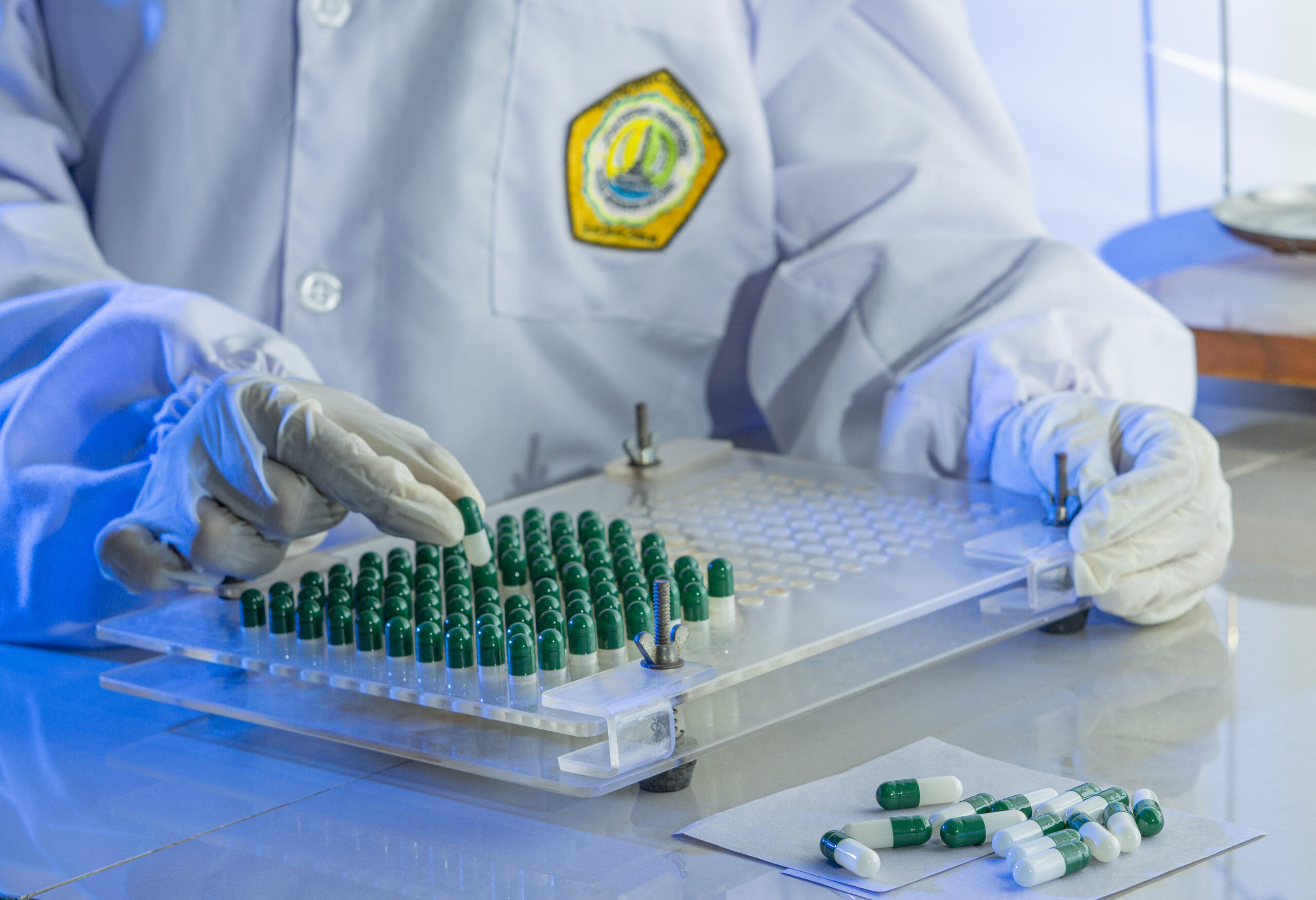
The first phase prioritises the most vulnerable. They include patients with cancer, HIV, rare diseases, transplants and neurodegenerative illnesses, and insulin-dependent diabetics.
Patients with heart failure, chronic kidney disease, lung disease and asthma are also on the list. So are mental-health patients and pregnant women who need essential treatment.
“Pending medicine must be delivered. Pending procedure must be carried out,” the president said, as quoted by the business daily Portafolio.
The plan covers all 32 of Colombia’s departments, according to the news magazine Semana.
How the debt purchase works
Most Colombians get public health cover through insurers known as EPS, which collect state funds and pay clinics. Many EPS owe large, unpaid bills to hospitals and drug suppliers.
The health ministry will run a targeted debt purchase for insurers, at 0% interest with a one-year grace period, Semana reported. El Colombiano wrote that the state would in effect take on debts insurers owe clinics and suppliers, though details are unknown.
Bills for the backlogged services get priority, to move money to clinics, hospitals and drug makers, Semana reported. The president said the tool is only for care covered by the plan, according to Infobae.
“This is not a blank cheque for the EPS,” De la Espriella said. “We are not going to pay twice for the same care, nor recognise again services that have already been paid.”
The announcement gave no total sum for the purchase. It also did not name any individual insurer or hospital that will take part.
Who checks the money
A technical committee will track each case until the patient receives the medicine or procedure. It brings together the Ministry of Health, the regulator Supersalud and ADRES, the agency that manages health-system funds.
Supersalud, the National Health Superintendency, will also monitor whether insurers comply and may impose sanctions. The president ordered Health Minister Ana María Vesga to start the first phase immediately.
“It is not enough to close a complaint on a platform,” De la Espriella said, according to Infobae. “The solution has to reach the patient.”
Two later phases are planned, El Colombiano reported. The second targets patients at risk of hospitalisation, and the third the remaining backlog of medicines and appointments.
A system under strain
The health shock plan follows a flood of grievances. Supersalud received 1,220,142 complaints between January and July 2026, and 92% concerned barriers to access, according to Semana.
The first phase is also expected to include a unified complaints centre, fewer repeated authorisations and medicine price controls, El Colombiano reported. Details of those measures have not been reported.
Several large insurers are already under the regulator’s control. Supersalud took control of Nueva EPS, the country’s largest insurer, on 3 April 2024.
Nueva EPS has more than 11 million members, La República reported. Supersalud appointed a new administrator for it, the lawyer Roberto Solano Navarra, on 18 August 2026.
On 31 August 2026, the regulator’s head, María Andrea Godoy, named new administrators for two other intervened insurers, Famisanar and Coosalud. None of them has been singled out in the new plan.
The money gap behind the backlog
Insurers argue the state pays them too little per member. Andi, Colombia’s main business association, counts health companies among its members.
Its president, Bruce Mac Master, warned that the 2026 payment rise leaves a deficit of 3.7 trillion pesos (about US$1.2 billion). La República reported the warning on 21 September 2026.
Dollar figures use a rate of 3,192.53 to the US dollar, the official rate for 22 September 2026 on Colombia’s open-data portal.
The per-member payment rose 12.94% in 2026, while Andi had called for 15.6%.
What comes next
The first phase took effect with the announcement, El Nuevo Siglo reported. Case follow-up runs from September to December, according to El Universal.
The second and third phases have no published dates, and the government has not said when they will begin.
The test is simple to state. The health shock plan will be judged by how many of the 1,069,196 patients actually receive their medicine or treatment.
More: Colombia coverage, every day from The Rio Times.
Frequently Asked Questions
What is Colombia’s health shock plan?
It is an emergency programme announced by President Abelardo de la Espriella on 21 September 2026. It aims to deliver pending medicines and procedures to 1,069,196 patients. The first phase prioritises people with cancer, HIV, rare diseases, transplants and other serious conditions, as well as pregnant women.
What does “compra de cartera” mean?
It means a purchase of debt. The health ministry will run a targeted debt purchase for the insurers, known as EPS, at 0% interest with a one-year grace period. El Colombiano wrote that in practice the state would take on debts insurers owe clinics, hospitals and suppliers, though details are not yet known.
How much money is involved?
The announcement gave no total sum. The business association Andi separately warned that the 2026 payment rise leaves insurers 3.7 trillion pesos (about US$1.2 billion) short. Andi represents many companies in the health sector.
Which insurers are included?
No individual insurer or hospital was named in the announcement. Several large insurers, including Nueva EPS, Famisanar and Coosalud, are already under the control of the health regulator, Supersalud.
Sources: Infobae on the announcement and patient figures, El Colombiano on the debt purchase and phases, El Tiempo on the cabinet meeting, Portafolio on the four-step method, Semana on complaints and priority conditions, El Universal on the follow-up period and debt purchase, El Nuevo Siglo on the health minister’s role and start date, La República on Nueva EPS, La República on Famisanar and Coosalud, La República on the Andi deficit warning, Colombian open data on the official exchange rate
This article was produced by The Rio Times’ automated newsroom system. How we use AI · Report an error
Read More from The Rio Times