Inflation, pensions and inequality: Chile’s economic challenges
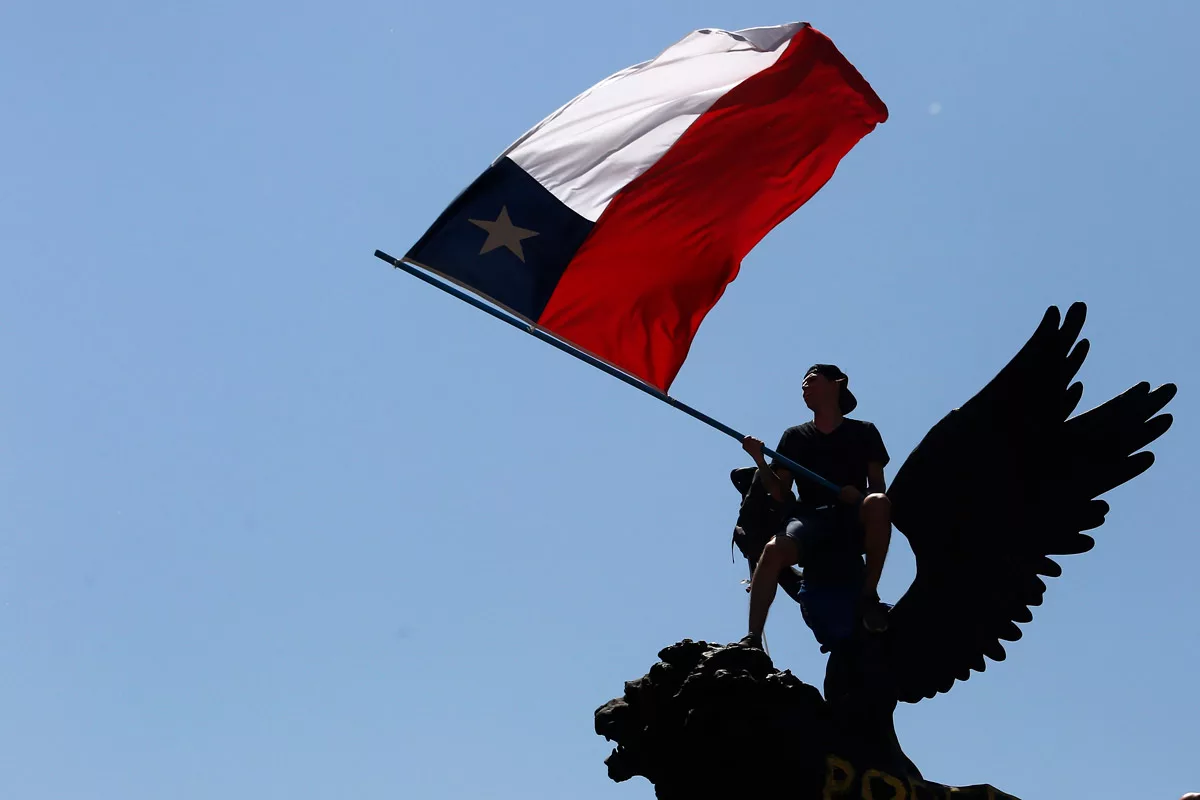
RIO DE JANEIRO, BRAZIL – Double-digit inflation, a decapitalized pension system, and exacerbated post-pandemic inequality: Chile’s next president will take the helm of a country that is no longer the “oasis” it was before October 2019, when the most severe protests since the dictatorship broke out.
The seven candidates who will compete on November 21 to reach La Moneda (presidential seat) cover a vast political spectrum, ranging from an extreme right that seeks to minimize the role of the State and cut taxes to a radical left that wants to expropriate mining companies, to more moderate positions that pursue a welfare state.
Read also: Check out our coverage on Chile
The polls, with little prestige after the last elections, predict that none of them will win in the first round and that the two most likely to fight in the second-round ballot on December 19 are Gabriel Boric, of the leftist Frente Amplio, and José Antonio Kast, of the ultra-right Republican Party.
The experts, however, ask not to disregard the chances of Yasna Provoste (center) or Sebastián Sichel (pro-government right) so quickly since these are the most uncertain elections of Chilean democracy, and there is still 50% of undecided voters.
“It will be a very difficult 2022, with a projected growth of barely 2% annually and in a context of decreasing fiscal transfers and withdrawal of monetary stimuli, which implies higher interest rates”, explained to Efe Francisco Castañeda, director of the Business School at the Universidad Mayor.
At the same time, a convention made up mostly of progressive citizens is working hard to draft before July a new Constitution that enshrines the solidarity of the State and replaces the current one, inherited from the dictatorship and of a neoliberal nature.
Alejandro Micco, an economist at the University of Chile and former Undersecretary of Finance, told Efe that the great challenge is to “maintain certainty regarding the future of the country’s economic policy” so that there are no effects on “country risk or rates”.
Juan Sutil, president of the Chilean business community, said last week: “Investors pause their decisions until they have certainty. And this is precisely what we have seen in recent months”.
“INCLUSIVE REACTIVATION”.
The pandemic caused a GDP plunge of 5.8% in 2020, the most significant drop in four decades, and a loss of almost two million jobs.
The recovery, however, is going faster than expected: in the second quarter of 2021, GDP posted annual growth of 18.1%, the most significant jump since records began, and the unemployment rate fell to 8.4% in September.
The Central Bank of Chile expects GDP growth of between 10.5 % and 11.5 % this year and up to 2.5 % by 2022.
For Recaredo Gálvez, of the progressive think-tank Fundación Sol, “it is necessary to promote a reactivation that is not precarious, that is the great challenge for the government and the Parliament” since, in addition to the president, Chileans will choose in these elections deputies and half of the senators.
Copper, of which Chile is the world’s largest producer, has primarily driven this recovery and will continue to do so. However, it is necessary to be “attentive” to the slowdown of the Chinese economy, warned Gálvez.
The red metal reached its maximum price of 4.86 dollars per pound on May 10, surpassing even the 2011 “supercycle” records, and the Chilean Copper Commission (Cochilco) estimates that it will close 2021 with an average value of 4.2 dollars per pound.
The prestigious economist Ricardo Ffrench-Davis, National Prize for Humanities and Social Sciences, assured Efe that Chile must tackle the endemic inequality that led to the wave of protests in 2019. Only then will there be “certainty and social peace”. In terms of inequality, he assured, “we have gone backward in these two years, with obstacles such as having lost almost 50 billion dollars of pension savings”.
“The money has been liberalized: the critics of neoliberalism are doing neoliberalism when they say they want their money to manage it themselves”, added Ffrench Davis, who proposed to increase the tax burden in 2022 and to tax only once those who earned more in the crisis.
Chile, a pioneer in Latin America in individual capitalization, has allowed three early withdrawals of 10% of the funds, paying out more than 48 billion U.S. dollars. Most candidates agree that the system offers meager pensions and requires change.
INFLATION, A HEADACHE
Inflation, experts agree, could be one of the primary headaches for the next president.
The higher liquidity resulting from social benefits (more than $35 billion) and pension withdrawals have led to historical records: the Consumer Price Index (CPI) reached 13.1% in October, its highest annual level in more than 13 years.
The Central Bank, which estimates that inflation could close the year close to 6%, aggressively raised October the benchmark interest rate to 2.75%, accelerating the withdrawal of the monetary stimulus it had begun in July.
For Castañeda, inflation is “dangerous”, but the upward trend is also seen in other parts of the world due to “energy shortages, disruption in global supply chains, negative effects on agriculture or financial and real estate bubbles”.
More: Chile news in English, every day from The Rio Times.
This article was produced by The Rio Times’ automated newsroom system. How we use AI · Report an error · Editorial responsibility: Matthias Camenzind, Editor-in-Chief