India’s Strategic Shift: Reinforcing Global Relations and Policy Adaptations
India’s foreign policy has taken a dynamic turn, evolving with the shifting sands of global politics since the early 1990s.
Once focused on neighboring Asian countries, India now casts its gaze westward, cultivating deeper ties in the Middle East.
This strategic pivot is not just about geography; it’s about influence, energy, and stability on the global stage.
India’s assertive push into the Middle East is guided by Prime Minister Modi’s vision of India as a pivotal world player.
His administration harnesses both ideology and pragmatism, shaping relationships with powerhouses like the USA and the UAE, as well as with Israel and Iran.
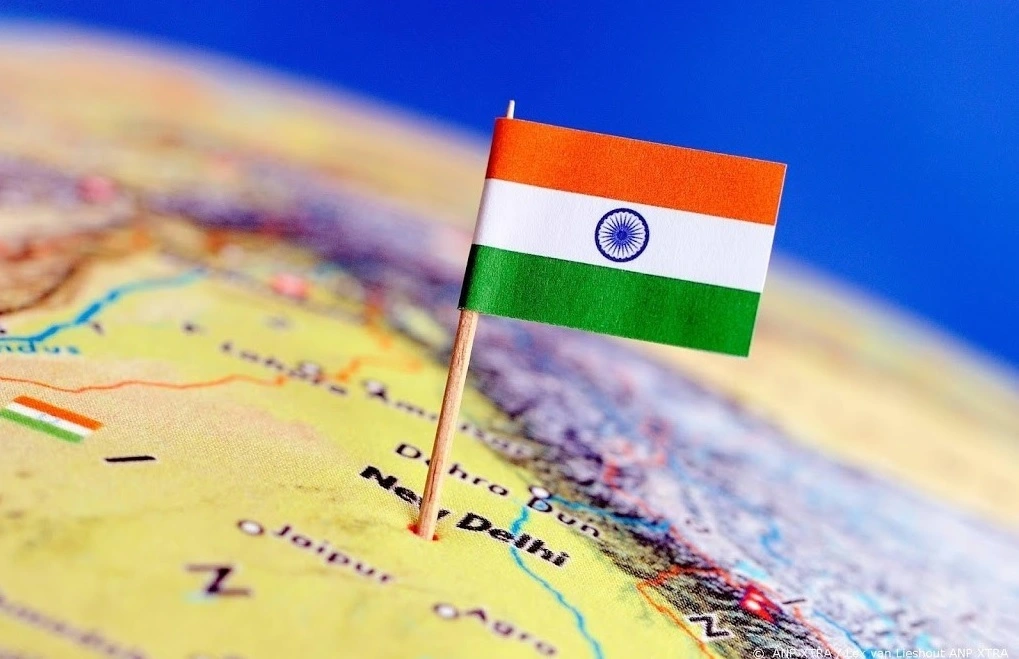
This includes high-stakes initiatives like the I2U2 group and the ambitious India-Middle East-Europe Economic Corridor.
Economically, the stakes are high. The Middle East is crucial for India’s energy needs, supplying a hefty portion of its oil.
Meanwhile, India is expanding its economic footprint, diving into sectors like technology and renewable energy, while boosting its profile as a global refining hub.
This economic intertwining is complemented by military collaborations, enhancing India’s role as a regional security provider through joint naval exercises and strategic partnerships.
Beyond the Middle East, India’s interests stretch to Central Asia and Africa. External Affairs Minister Jaishankar emphasizes these regions as critical to India’s quest for a multipolar world.
Navigating Geopolitical Challenges
This expansion aligns India alongside other major players like Japan in promoting diverse production centers and defending open, peaceful international waters.
Navigating this complex geopolitical landscape comes with its challenges.
These diplomatic maneuvers are crucial as India seeks to maintain its autonomy while engaging deeply across multiple regions.
This proactive approach highlights India’s strategic depth and its commitment to being a major force in global diplomacy.
It showcases India’s ability to adapt and thrive amidst global shifts, underscoring its role as a leader in shaping not just regional but global futures.
This article was produced by The Rio Times’ automated newsroom system. How we use AI · Report an error
Read More from The Rio Times