Breaking New Ground: India Appoints First Post-1962 Born Army Chief
In a pivotal shift, General Manoj Pande became the first Indian Army Chief born after the 1962 India-China conflict.
This change signifies more than a generational transition—it represents India’s commitment to overcoming past setbacks and embracing a future of strategic innovation and robust defense.
During a period of ongoing India-China border tensions, General Pande assumed his appointment.
His leadership comes in the wake of the 2020 Galwan Valley clashes, which saw casualties on both sides.
These incidents highlight the volatile relationship between the two nations and underscore the need for strategic and calm military leadership.
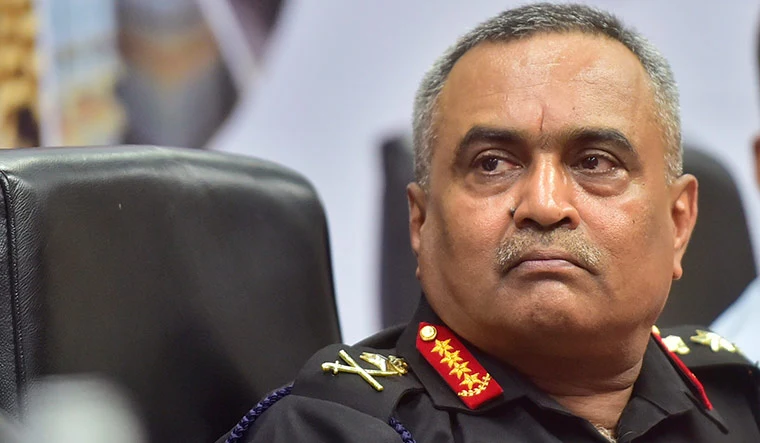
With a distinguished career that includes being the Commander-in-Chief of the Andaman and Nicobar Command and Vice Chief of the Army Staff, Pande is tasked with modernizing the army.
Additionally, he is responsible for addressing the current border challenges.
Moreover, despite tense military interactions, the economic ties between India and China have strengthened.
This suggests a complex interdependence that necessitates careful diplomatic efforts alongside assertive defense strategies.
The new Army Chief’s role is critical in maintaining India’s territorial integrity. Additionally, they are tasked with promoting an environment conducive to dialogue and peaceful dispute resolution.
This new era under General Pande’s leadership is a crucial moment for India.
It offers a chance to redefine military strategies, enhance capabilities, and solidify the nation’s stance in a rapidly changing global landscape.
As the first chief of the post-1962 era, Pande’s decisions will shape India’s future military posture and its approach to global challenges.
This article was produced by The Rio Times’ automated newsroom system. How we use AI · Report an error
Read More from The Rio Times