Pakistan Announces Comprehensive Privatization Plan for State Enterprises
Pakistan has unveiled an extensive privatization plan for state-owned enterprises (SOEs), expanding beyond loss-making entities.
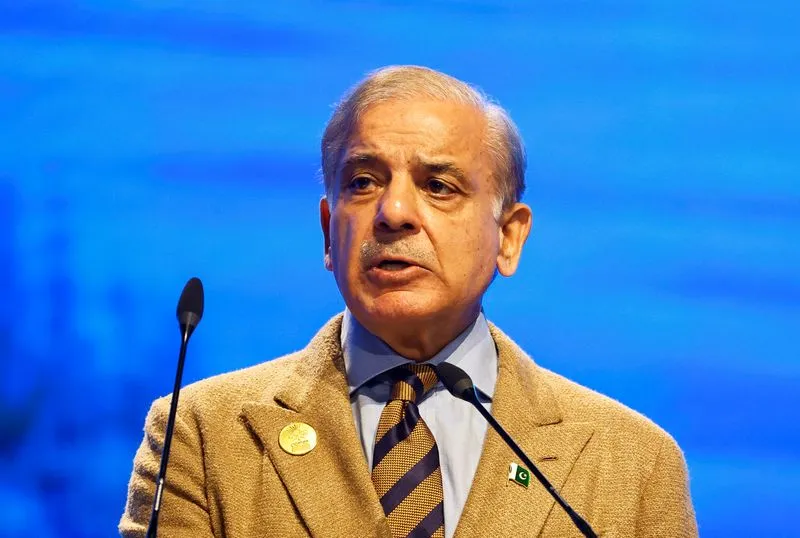
Prime Minister Shehbaz Sharif announced this strategy on Tuesday, emphasizing the need for economic stability and improved efficiency in state enterprises.
This announcement followed a meeting led by Sharif on the privatization process, coinciding with the International Monetary Fund (IMF) initiating talks for a new Extended Fund Facility (EFF).
Previously, Pakistan focused on privatizing only loss-making SOEs. However, the new plan includes profitable entities as well, aiming to enhance overall economic performance.
This shift is crucial for Pakistan, which faces significant fiscal deficits. From 2015 to 2023, SOEs incurred massive losses, adding considerable strain to the national budget.
The privatization process targets entities like Pakistan International Airlines (PIA), Pakistan Railways, and several power distribution companies.
PIA and Pakistan Railways collectively lost Rs. 88 billion in FY 2019. The government plans to privatize 44 entities by 2025, with several already in advanced stages of the process.
Privatization has long been a recommendation by the IMF to address inefficiencies and financial burdens posed by SOEs.
The broader privatization agenda is expected to include partial divestments in companies like Oil and Gas Development Company Limited (OGDCL) and Pakistan Petroleum Limited (PPL).
Additionally, the government will retain some entities but implement immediate reforms and possible restructuring to improve their performance.
Prime Minister Sharif stressed the importance of this initiative for economic stability.
He noted that privatizing SOEs is a crucial step toward reducing fiscal deficits and promoting private sector growth.
This expanded strategy reflects Pakistan’s commitment to economic reforms and collaboration with international financial institutions like the IMF.
Implementing these reforms aims to create a more sustainable economic environment, reduce the fiscal burden of SOEs, and foster a more efficient and competitive market landscape.
The success of this privatization plan could significantly impact Pakistan’s economic trajectory, promoting long-term stability and growth.
By privatizing both profitable and loss-making SOEs, Pakistan aims to streamline operations and improve fiscal health.
This comprehensive approach underscores the government’s commitment to addressing deep-rooted economic challenges and leveraging private sector efficiencies.
In short, the initiative marks a significant step toward economic reform, aiming to relieve the national budget and drive economic growth.
The broad scope of privatization reflects a strategic move to stabilize the economy and attract investment, setting the stage for a more prosperous future.
This article was produced by The Rio Times’ automated newsroom system. How we use AI · Report an error
Read More from The Rio Times